
Ride Malfunction at Tennessee State Fair Injures Nine, Officials Say Ride Passed Recent Inspection

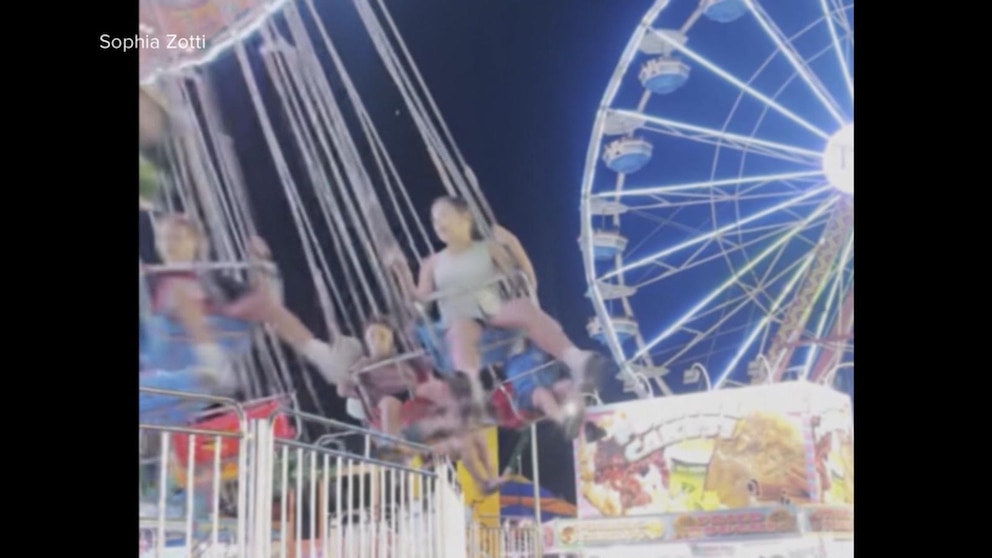 Foto: abcnews.go.com — WATCH: Ride malfunction at Tennessee’s largest state fair leaves 9 injured. Sumber: https://abcnews.com/video/135852490/
A mechanical failure on a ride at Tennessee's largest state fair sent nine people to the hospital, raising fresh questions about amusement park safety protocols just days after the attraction cleared a routine inspection. The incident occurred during peak fair attendance, turning a routine evening of carnival entertainment into a chaotic emergency response. Read also: Family of ICU Nurse Alex Pretti Demands Justice 7 Months After Fatal Shooting by Federal Officers in Minneapolis. Read also: Viral Video Shows Group Emerging From Manhattan Manhole Near Penn Station, Sparking Speculation.
State officials confirmed that the ride had passed its scheduled safety check only days before the malfunction, a detail that underscores how quickly catastrophic failures can develop even under regulatory oversight. Inspectors are now reviewing maintenance logs, operator training records, and the ride's structural integrity to determine whether the inspection process missed a latent defect or if the failure originated from an unforeseeable mechanical fatigue.
The episode echoes a pattern seen at fairs and festivals across the United States in recent years, where aging equipment, high throughput, and the pressure to keep lines moving can create conditions that standard inspections may not fully capture. In 2023, a similar malfunction at a Midwestern state fair injured seven when a restraint system failed on a spinning attraction; that investigation later revealed a worn component that had not been flagged during its last certification.
Fair organizers have suspended operation of all rides pending a comprehensive third‑party audit, a move that mirrors the precautionary shutdowns adopted after previous high‑profile accidents. While no fatalities were reported, several victims sustained serious injuries requiring surgery, and the psychological impact on witnesses — many of them families with young children — adds a layer of community trauma that extends beyond physical harm.
As the investigation unfolds, industry experts are calling for more frequent nondestructive testing of critical ride components and real‑time monitoring sensors that can detect stress anomalies before they lead to failure. The Tennessee incident may accelerate adoption of such technologies, especially as state fairs compete to offer ever more thrilling attractions while balancing the public's expectation of safety.





No Comments