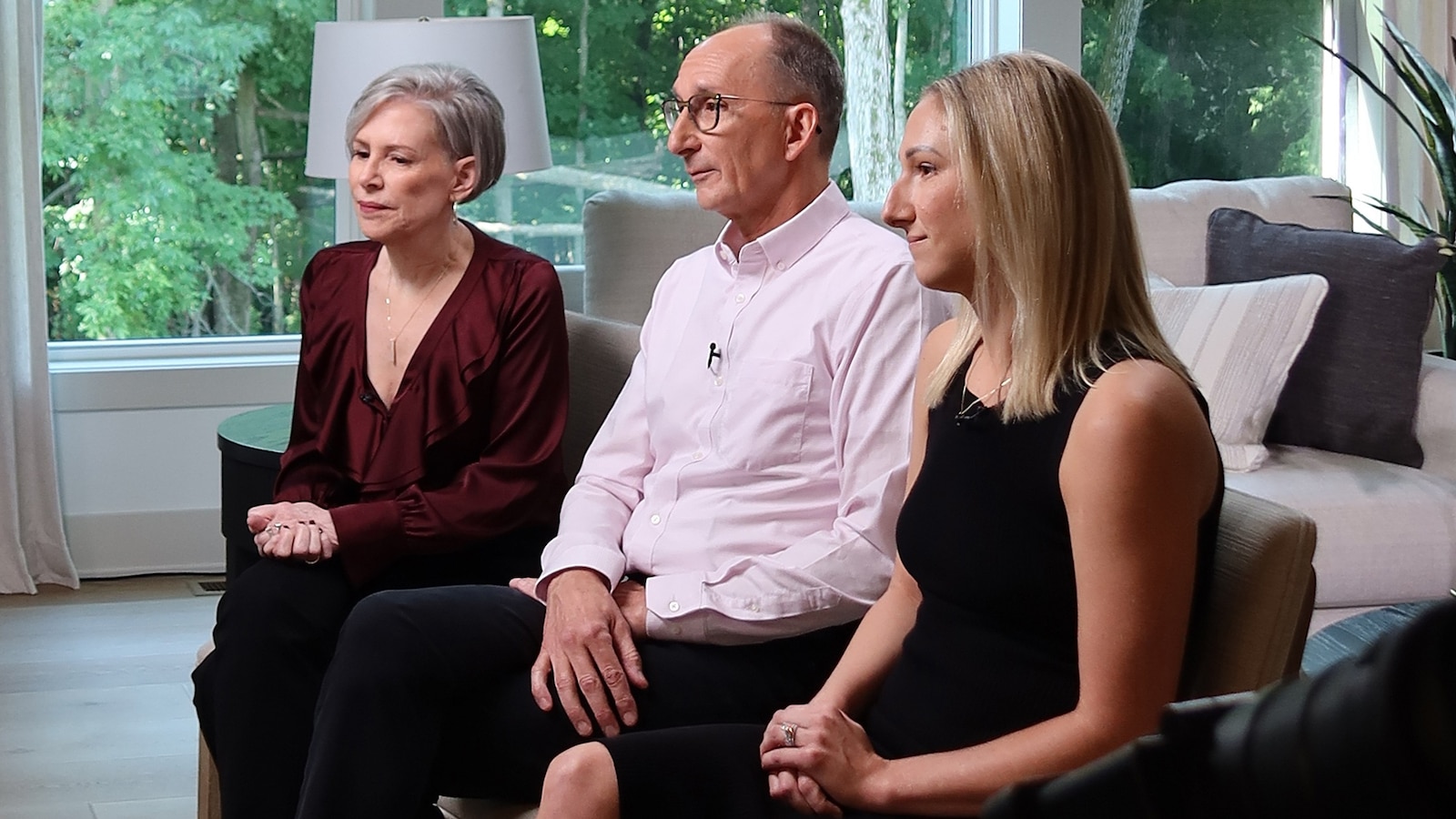
Seven months after 37-year-old Alex Pretti was shot and killed by federal immigration officers in Minneapolis, his family has broken their silence in a televised exclusive, demanding accountability for what they describe as the murder of their son. The interview, aired on Good Morning America, marks the first time Michael and Susan Pretti, along with their daughter Micayla, have spoken publicly about the January 24 incident that left the Department of Veterans Affairs ICU nurse dead on a city sidewalk. Read also: Family Demands Justice 7 Months After Nurse Shot by Feder…. Read also: Trump Administration Moves to Open 45 Million Acres of National Forests to Logging and Road Construction.
According to the family and eyewitness footage reviewed by investigators, Pretti was observing immigration enforcement activity when an officer shoved a woman into him. Video shows Pretti attempting to assist the woman with both hands visible — one holding a phone, the other raised as if to shield himself from pepper spray — before being wrestled to the ground. His legally permitted firearm was removed by an officer while he was pinned down, followed by approximately ten shots. His mother, Susan Pretti, emphasized the detail that haunts them: the shots struck him in the back.
The Prettis learned of their son's death not through official channels, but by recognizing his jacket and sunglasses in news footage broadcast that day. "That's how we found out, watching it on TV. Watching our son be shot ten times on TV," Michael Pretti said. In the months since, the family says they have received no complete explanation and seen no one held responsible.
Pretti's death came barely two weeks after another U.S. citizen, Renee Good, was shot and killed by an ICE officer in the same city during the Trump administration's "Operation Metro Surge" immigration crackdown. The back-to-back fatalities ignited nationwide scrutiny over the use of deadly force by federal agents operating in local communities. Both cases remain under investigation, with advocates arguing they reflect a broader pattern of insufficient oversight when federal enforcement operations intersect with civilian life.
Beyond the immediate tragedy, the case has drawn attention to the role of bystander video in documenting encounters with law enforcement — and the risks faced by those who choose to bear witness. Pretti, described by his father as someone who "cared deeply about his community" and believed in fair treatment regardless of background, was recording when the confrontation escalated. His death raises urgent questions about the rights of legal observers, the rules of engagement for federal officers in domestic operations, and the mechanisms of accountability when those lines are crossed.