
Pennsylvania Records First U.S. Measles Deaths of 2026 as Outbreak Surges Nationwide

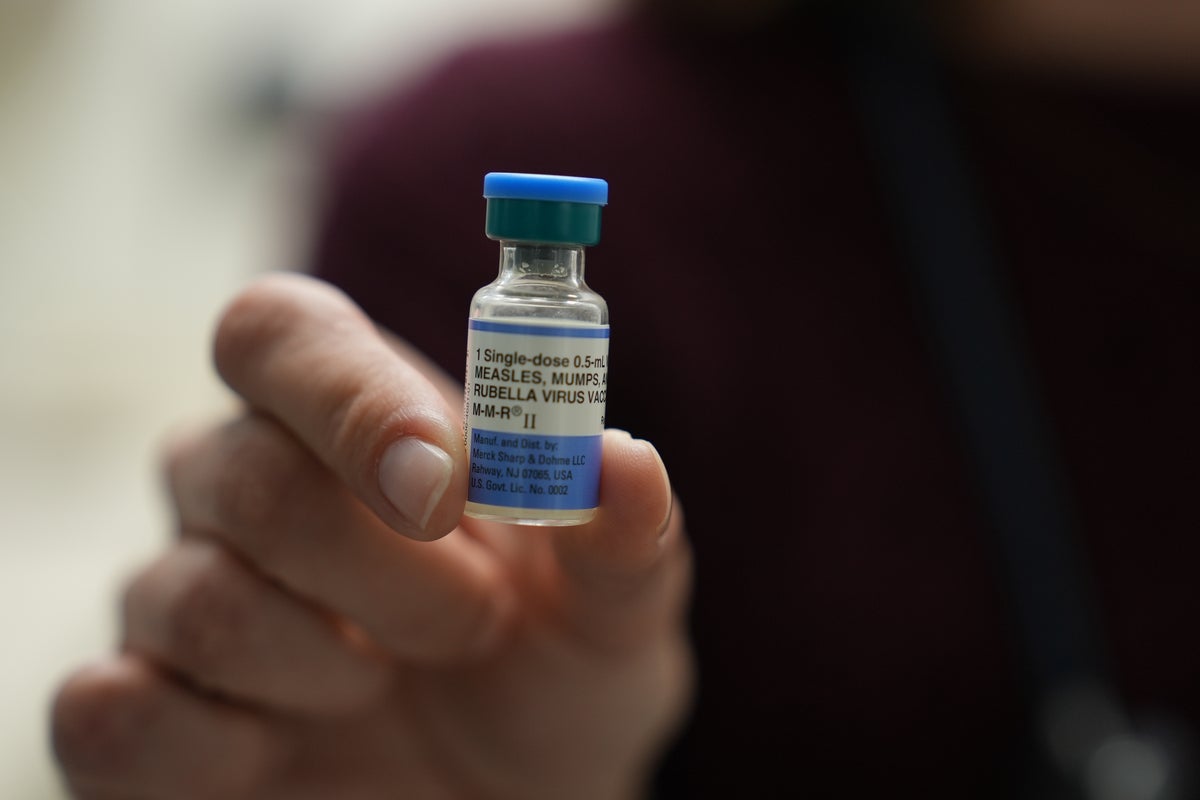 Foto: independent.co.uk — Pennsylvania reports first 2 measles deaths in the US this year, both people unvaccinated. Sumber: https://www.independent.co.uk/news/pennsylvania-philadelphia-commonwealth-centers-for-disease-control-and-prevention-mexico-b3038985.html
Pennsylvania health officials confirmed Tuesday that two unvaccinated residents of Lancaster County have died from measles, marking the first measles-related fatalities recorded in the United States this year and the first such deaths in the state in 35 years. The Pennsylvania Department of Health withheld further details about the individuals, citing privacy concerns, but emphasized both victims had not received the measles vaccine.
State Health Secretary Dr. Debra Bogen expressed condolences to the families and warned that because measles had been largely eliminated in the commonwealth for over three decades, many residents are unfamiliar with the disease and underestimate its potential severity. Lancaster County, where the deaths occurred, is home to a significant Amish population that has historically shown reluctance toward modern medical interventions including vaccination; state data shows only about 88 percent of kindergartners in the county were up to date on their measles shots during the last school year.

The deaths come amid the worst measles year in the United States since 1991. The Centers for Disease Control and Prevention reported 2,777 confirmed cases nationwide as of late August, surpassing the 2,289 cases recorded in all of 2025, which itself was the highest annual total in more than three decades. Three measles deaths were recorded in the U.S. last year. Pennsylvania alone has tallied nearly 400 cases across 28 counties so far in 2026.
Federal data released last week shows overall kindergarten vaccination rates have inched downward while the share of children with exemptions has reached an all-time high, dropping coverage below the 95 percent threshold needed to prevent sustained outbreaks. The United States eliminated local measles transmission in 2000 through high vaccination rates, but that achievement is now at risk; international health officials are scheduled to meet in November to determine whether the U.S. and Mexico have lost their measles-free status.
The current surge evokes the major resurgence between 1989 and 1991, when more than 55,000 infections and 123 deaths were reported across the country. Public health experts say the combination of declining immunization rates, increased global travel, and pockets of undervaccinated communities creates conditions for the highly contagious virus to spread rapidly once introduced.



No Comments