Key Highlights
- Lando Norris lost a near-certain Spanish Grand Prix victory after a Virtual Safety Car triggered by Lance Stroll’s brake failure cost him approximately 20 seconds relative to rivals who pitted under the neutralisation.
- McLaren Team Principal Andrea Stella refused to criticise race control, stating the race director’s sole focus must be safety and that regulatory changes require a lengthy process through the Strategy Advisory Committee and F1 Commission.
- Norris acknowledged the misfortune was part of racing but noted this was likely the first time he had lost a race win specifically due to VSC timing, having previously benefited from similar scenarios.
Norris Dominates Early Before VSC Cruelly Intervenes
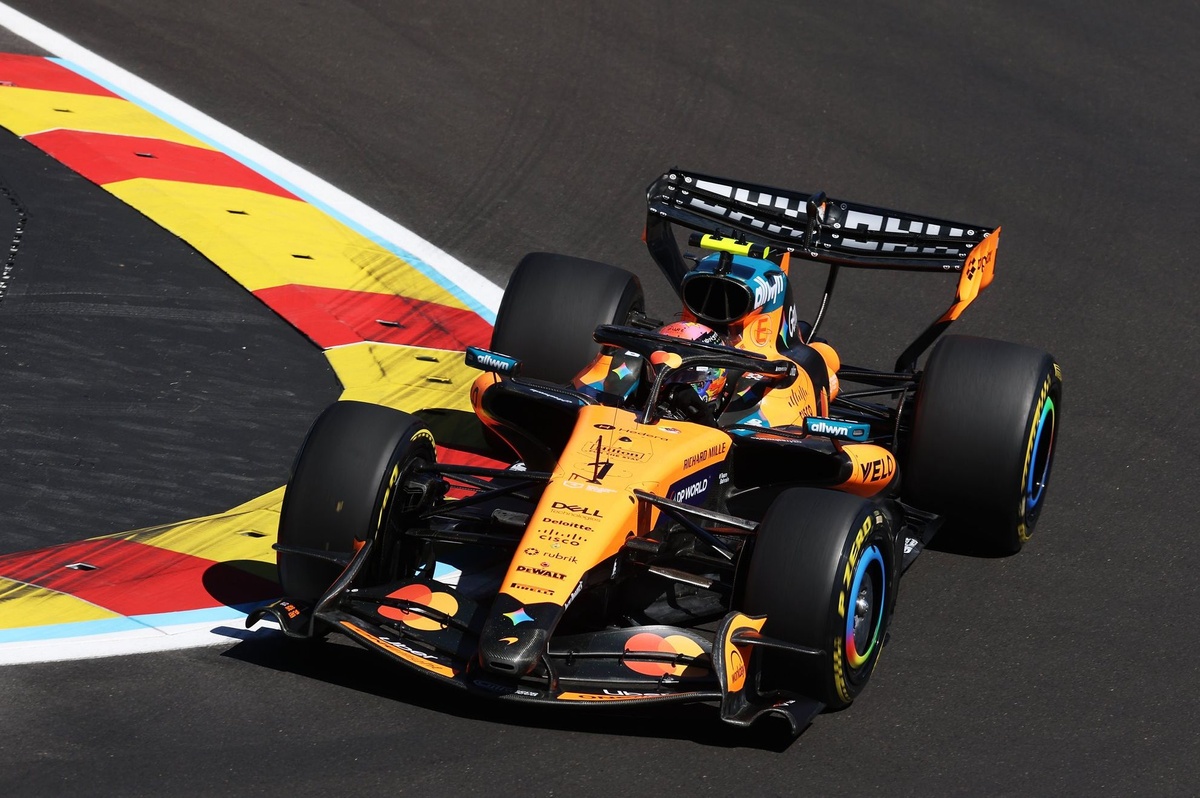
The 2025 Formula 1 Spanish Grand Prix at the Madring circuit appeared destined for a McLaren victory after Lando Norris converted pole position into a commanding early lead. The Briton quickly pulled away from Mercedes rookie Kimi Antonelli and reigning champion Max Verstappen, exploiting the clean air that is critical on a layout where overtaking proved exceptionally difficult across F1, F2, and F3 support races throughout the weekend.
That narrative unravelled when Lance Stroll suffered a brake failure on his Aston Martin, forcing the Canadian to stop at the side of the track. Race control deployed a Virtual Safety Car (VSC) at the precise moment Norris had just passed the pit entry. By the time the McLaren driver completed the additional lap required to reach the pits, the track had already gone green again. Meanwhile, Antonelli, Verstappen, and the chasing pack had all dived into the pits under the VSC, swapping tyres at a significantly reduced time loss. Norris emerged from his eventual stop having surrendered roughly 20 seconds to his principal rivals, effectively handing the race lead—and ultimately the win—to Antonelli.
Stella Defends Race Control, Points to Governance Process
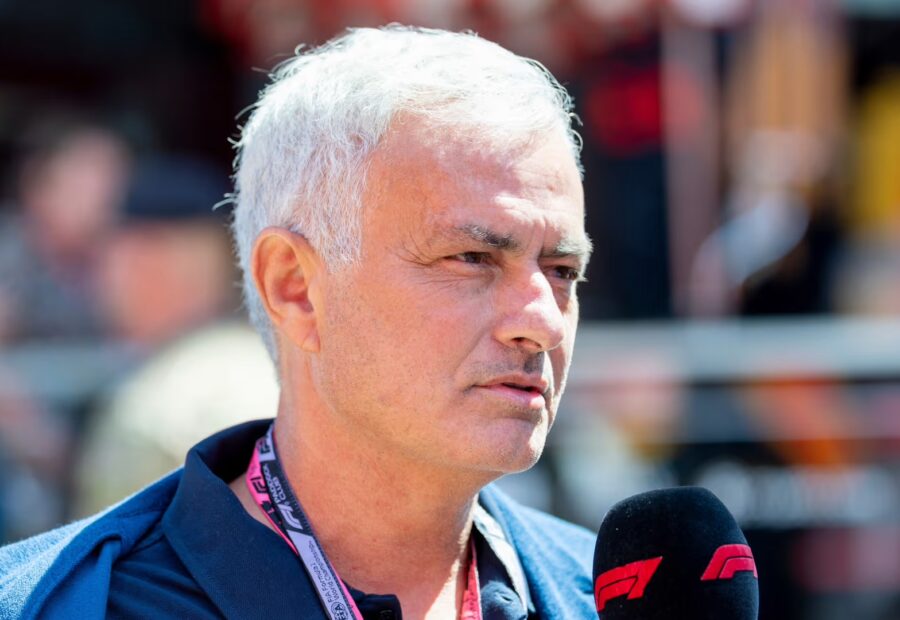
Despite the bitter disappointment, McLaren Team Principal Andrea Stella was unequivocal in refusing to apportion blame to the race director or FIA race control. Speaking after the Grand Prix, the Italian emphasised that the official’s mandate during a live incident is strictly limited to safety management.
“Like all the times in which a safety car or a virtual safety car timing or duration has a large influence on a race, we have an opportunity to review whether we can do things differently,”
Stella said.
“But this is not under the jurisdiction of the race director. The race director applies the guidance and the regulations at the moment of the race that he’s directing. And I think that when there’s a situation like the one that caused the virtual safety car, the attention of the race director, and rightly so, is on when the conditions exist to turn the virtual safety car on and when they exist to turn it off. I don’t think he takes a look at what’s happening in the race. It would be a big distraction.”
Stella confirmed the team had absolutely no comment
on the race direction of the Spanish GP, adding they had done a good job according to what is present
. However, he conceded there was scope for wider reflection
on maintaining fairness.
“I’m puzzled myself as to what’s right,” Stella continued. “Is it correct to give enough duration such that everyone will be subject to the same track conditions? So, for instance, the virtual safety car lasts at least one full lap. Or, you just keep it in the hands of the gods? And sometimes you are lucky, sometimes you are not. I’m not sure myself.”
The McLaren boss outlined the formal pathway for any regulatory adjustment, noting it must originate in the Strategy Advisory Committee (SAC), progress to the F1 Commission, and ultimately be written into the Sporting Regulations—a relatively lengthy process
that precludes any immediate change.
“But in general, there’s the right place to have this sort of conversation which is the Strategy Advisory Committee, the famous SAC. And this is a topic that may be added to the agenda and discussed over there. But if it’s a change, it will have to be a change that goes through the SAC, then the F1 Commission, and then we have to go at some stage to the Sporting Regulations.”
Norris Takes Philosophical View on Cruel Timing
For Norris, the loss was particularly stinging because it occurred while fighting for a victory rather than mere points. In the post-race press conference, the 25-year-old articulated a balanced perspective, recognising that the fickle nature of safety-car timing has swung both ways during his career.
“I was the only one, the only one on the whole grid that didn’t get the chance to do the pitstop,” Norris said in the post-race press conference. “That’s just unfortunate. It’s happened in races and there’s been plenty of times where I’ve gained from it in the past and times where I lost from it.”
“It’s racing, but never when fighting for a win. So, I think it’s probably one of the first times a win has been lost simply because of it.”
Why This Matters
The Spanish Grand Prix episode has reignited a long-standing debate within Formula 1 regarding the sporting equity of Virtual Safety Car and Safety Car deployments. Because the VSC freezes gaps at the moment of deployment, any driver who has not yet passed the pit entry when the signal is given gains a massive advantage over those who have just missed it. The Madring circuit’s layout—where track position is paramount and overtaking is at a premium—amplified the consequence to a race-deciding level.
Stella’s reference to the Strategy Advisory Committee underscores that any solution—whether a mandatory minimum VSC duration, a “pit window” guarantee, or a red-flag-style reset—must navigate F1’s multi-layered governance structure involving teams, the FIA, and commercial rights holders. Until such a mechanism is ratified, the sport must accept that the timing of neutralisations remains, in Stella’s words, in the hands of the gods
. For Norris and McLaren, the focus now shifts to recovering the championship momentum lost on a Sunday where pace was never the issue.
Frequently Asked Questions
- Why did Lando Norris lose the Spanish Grand Prix?
- Norris lost the lead when a Virtual Safety Car was deployed moments after he passed the pit entry. He was forced to complete an extra lap at reduced speed before pitting, while rivals including Kimi Antonelli and Max Verstappen pitted immediately under the VSC, gaining roughly 20 seconds on the McLaren driver.
- Is McLaren protesting the race director’s decision?
- No. Team Principal Andrea Stella explicitly stated McLaren has
absolutely no comment
on the race direction and believes the race director’s sole responsibility during a live incident is safety, not sporting equity. - Could the rules be changed to prevent this happening again?
- Any rule change would need to be proposed at the Strategy Advisory Committee (SAC), approved by the F1 Commission, and written into the Sporting Regulations. Stella described this as a
relatively lengthy process
, meaning no immediate fix is expected.