Key Highlights
- The 2027 Formula 1 calendar will feature a record 10 Sprint events, up from six in the 2023-2026 period, driven by data showing 12% higher viewership on Sprint weekends.
- Five venues will host a Sprint for the first time: Bahrain, Australia, Japan, Monaco, and Abu Dhabi, with the season opening with three Sprints in the first four race weekends.
- The season finale will feature back-to-back Sprint weekends in Qatar and Abu Dhabi, increasing championship-deciding points availability across the final two rounds.
Sprint Format Expansion Driven by Audience and Attendance Data
Formula 1 has confirmed a significant expansion of the Sprint format for the 2027 season, increasing the total number of Sprint weekends to 10—four more than the six scheduled annually between 2023 and 2026. The decision follows the release of internal data indicating that total viewership for Sprint weekends is 12% higher than for traditional Grand Prix weekends. Additionally, Sprint Qualifying sessions attract up to three times the audience interest compared to the second practice session they replace on Friday afternoons. Fan engagement metrics further support the move: 82% of attendees at Sprint events report that the format adds value to their ticket by delivering competitive sessions across three days instead of two, while 75% of surveyed F1 fans believe Sprint events enhance the overall value of the season calendar.
Five New Venues Join the Sprint Calendar, Including Historic Monaco Debut
The 2027 schedule introduces Sprint weekends at five circuits hosting the format for the first time. The season opener in Bahrain, followed by the Australian Grand Prix, the Japanese Grand Prix, the Monaco Grand Prix, and the season finale in Abu Dhabi will all adopt the compressed format. The inclusion of Monaco is particularly notable; the Principality’s street circuit is renowned for producing one of the most spectacular qualifying sessions of the year as drivers navigate the tight, twisty streets of Monte Carlo. Under the new structure, fans will witness two high-stakes qualifying sessions: Sprint Qualifying on Friday, followed by the Sprint race on Saturday morning (replacing FP3), and finally the traditional Grand Prix Qualifying later on Saturday.
Returning Venues and Strategic Calendar Weighting
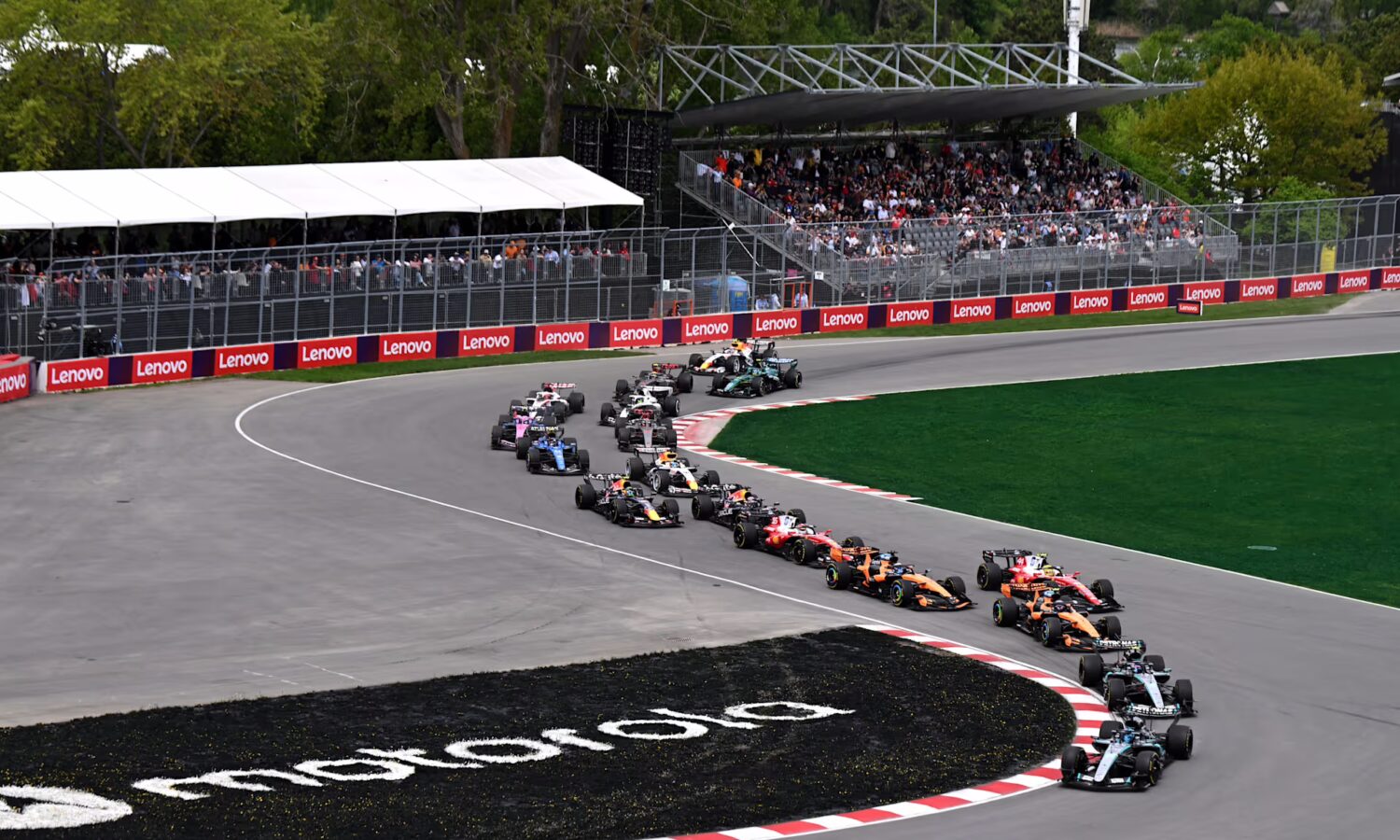
Five established Sprint venues round out the 2027 roster. Canada retains its Sprint for a second consecutive year after a dramatic battle for the lead between Mercedes teammates George Russell and Kimi Antonelli earlier in the 2025 season. Silverstone hosts its third Sprint, having staged events in 2021 and 2025, while Monza welcomes its second Sprint six years after the Temple of Speed hosted the format’s inaugural Italian edition. Brazil extends its record as the most frequent Sprint host with a sixth event at Interlagos in São Paulo, and Qatar returns for a fourth Sprint in five years at the Lusail International Circuit. The calendar is strategically weighted: the season begins with three Sprints in the first four race weekends, rewarding teams that demonstrate immediate competitiveness, while the championship concludes with back-to-back Sprint weekends in Qatar and Abu Dhabi, placing a premium on consistency and performance under maximum points pressure.
Sprint Weekend Format Refines Competitive Intensity
The Sprint race itself covers 100 kilometers—approximately one-third of a standard Grand Prix distance—and lasts roughly 30 minutes. Unlike the main race, there are no mandatory pit stops; while not explicitly banned, the short duration makes a stop for fresh tires strategically unviable. Points are awarded to the top eight finishers on a sliding scale from eight points for the winner down to one point for eighth place. The weekend structure condenses practice to a single 60-minute session, replacing the traditional three one-hour sessions. Sprint Qualifying mirrors the knockout format of the main qualifying session but with truncated segments: SQ1 runs for 12 minutes, SQ2 for 10 minutes, and SQ3 for just eight minutes. The net effect across the season is a substantial increase in competitive track time relative to practice running.
Why This Matters
The expansion to 10 Sprint events represents the most aggressive adoption of the format since its 2021 introduction, signaling Formula 1’s confidence in the commercial and sporting viability of the shorter race model. By front-loading the calendar with three Sprints in the opening four rounds, the series incentivizes early-season development readiness and reduces the margin for teams to “grow into the year.” The back-to-back Sprint finale amplifies the potential for late-season championship swings, as a maximum of 16 additional points (plus potential fastest lap points in the main races) become available over the final two weekends. For promoters, the guaranteed three-day action ticket—validated by the 82% attendee satisfaction rate—strengthens the commercial proposition. For broadcasters, the elevated viewership data for Sprint Qualifying specifically addresses the long-standing challenge of Friday audience engagement. The Monaco inclusion also resolves a longstanding debate about whether the format could work on a street circuit where overtaking is minimal; the FIA and F1 clearly believe the qualifying spectacle alone justifies the experiment.
Frequently Asked Questions
How many Sprint events are on the 2027 Formula 1 calendar?
There are 10 Sprint events scheduled for the 2027 Formula 1 season, an increase of four compared to the six held annually from 2023 through 2026.
Which circuits are hosting a Sprint for the first time in 2027?
Bahrain, Australia, Japan, Monaco, and Abu Dhabi will all host a Sprint weekend for the first time in 2027.
How does the Sprint format change the standard weekend schedule?
A Sprint weekend reduces practice sessions from three one-hour sessions to a single 60-minute session. Friday features Sprint Qualifying (replacing FP2), Saturday morning hosts the 100km Sprint race (replacing FP3), and Saturday afternoon retains the traditional Grand Prix Qualifying. The main Grand Prix remains on Sunday.