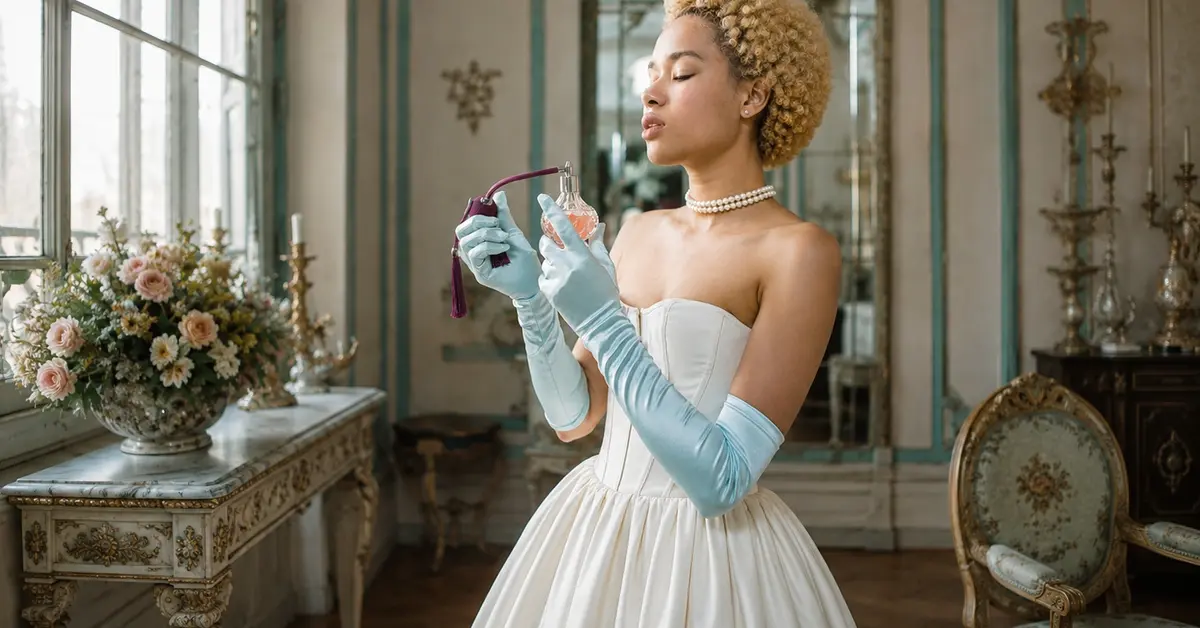
Fragrance has moved from a finishing touch to a daily essential, and the shift is impossible to ignore. Walk through any office, subway car, or coffee shop and the air carries a noticeable blend of niche oud, clean skin scents, and revived classics. Social feeds amplify the trend: “perfume TikTok” alone has amassed billions of views, while “fragrance wardrobe” videos turn scent into a curated accessory category.
Why the surge now?
Post-pandemic routines re-centered personal rituals. With hybrid work blurring home and office boundaries, scent became a portable mood-setter — something you control when little else feels certain. At the same time, discovery sets and decant services lowered the barrier to trial, letting buyers sample ten fragrances for the price of one full bottle.
Market signals
Prestige fragrance sales in the U.S. grew double-digits year-over-year in 2023, outpacing the broader beauty category. Indie houses once sold only through specialty boutiques now land shelf space at Sephora and Nordstrom. Meanwhile, legacy brands are re-releasing archival formulas — sometimes unchanged — to meet demand for “vintage” authenticity.
What consumers are reaching for
Three directions dominate:
- Skin scents — musks, ambroxan, and iso E super blends that smell like “you, but better.”
- Gourmand evolution — pistachio, salted caramel, and boozy notes replacing the vanilla-heavy formulas of the 2010s.
- Unisex woody-spicy — sandalwood, pepper, and incense profiles marketed without gender labels.
Retail adaptation
Stores have replaced static tester strips with “sniffing bars” organized by vibe — “cozy,” “confident,” “escape” — rather than by brand. Some locations now offer 15-minute scent consultations booked like salon appointments.
The sustainability question
Refillable bottles and aluminum travel sprays address waste concerns, but ingredient transparency remains patchy. “Clean” claims lack regulatory definition in the U.S., leaving shoppers to decode IFRA compliance lists on their own.
Whether the perfume boom reflects self-expression, sensory comfort, or algorithm-driven discovery, one thing is clear: fragrance has claimed permanent space in the cultural conversation.