
Key Highlights
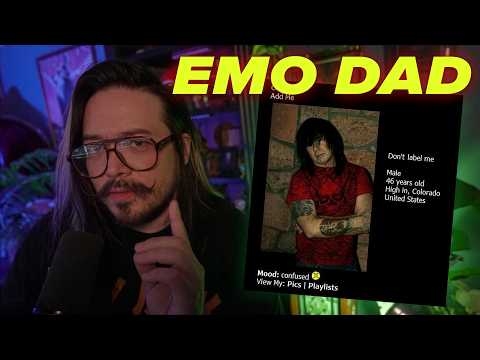
- In August 2009, a 46-year-old man posting as CrisXcruX uploaded mirror selfies wearing eyeliner to MySpace, inadvertently launching a viral phenomenon.
- Within three weeks, internet communities rechristened him “Emo Dad,” turning his photos into widely circulated image macros.
- Within two years, he became one of the most recognizable faces of the image-macro era, exemplifying the speed and unpredictability of early social-media fame.
The Accidental Meme: How a MySpace Profile Became Internet Folklore
Late summer 2009 marked a pivotal moment in the evolution of user-generated celebrity. A 46-year-old man, identifying himself only by the handle CrisXcruX, posted a handful of mirror self-portraits to his MySpace page. The images showed him wearing dark eyeliner and adopting the aesthetic associated with the emo subculture then flourishing on the platform. What began as a personal expression of style quickly escaped the boundaries of his friends list.
From Profile Pic to Image Macro in Three Weeks
The compression of time between upload and ubiquity was startling. In under three weeks, anonymous users across forums, imageboards, and early social networks had detached the photos from their original context, applied the moniker “Emo Dad,” and begun layering captions that riffed on generational clashes, midlife reinvention, and the absurdity of subcultural signifiers. The meme’s velocity highlighted how MySpace’s open architecture and the nascent culture of remix turned ordinary users into raw material for collective storytelling.
Cementing a Place in the Image-Macro Canon
By 2011, “Emo Dad” had graduated from a fleeting joke to a staple of the image-macro era—a period defined by bold white Impact-font captions pinned to recognizable faces. His likeness appeared alongside contemporaries such as Bad Luck Brian, Scumbag Steve, and Success Kid, illustrating how a single MySpace snapshot could achieve parity with professionally photographed stock characters. The phenomenon underscored a broader shift: internet fame no longer required intent, strategy, or even youth; it required only a moment of visual resonance that the network decided to amplify.
Why This Matters
The “Emo Dad” trajectory remains a case study in the mechanics of early viral culture. It demonstrates how platforms like MySpace functioned as both stage and distribution engine, allowing niche self-presentation to become mass-media property almost overnight. For researchers of digital culture, the episode illustrates the fragility of context online and the speed at which communities can co-opt identity. For platforms, it foreshadowed the content-moderation and attribution challenges that would explode with the rise of TikTok, Instagram Reels, and AI-generated avatars—where the line between participant and payload is thinner than ever.

Frequently Asked Questions
- Who was the man behind the “Emo Dad” meme?
- He was a 46-year-old MySpace user who posted under the name CrisXcruX; his real name was not disclosed in the original viral spread.
- Why did the photos go viral so quickly?
- The contrast between his age, the emo aesthetic, and the candid mirror-selfie format struck a chord with early meme communities, who rapidly remixed the images with humorous captions.
- Is “Emo Dad” still referenced today?
- While the peak of image-macro culture has passed, “Emo Dad” persists in meme retrospectives and academic discussions of 2000s internet folklore as a defining example of accidental viral fame.


