How to Keep Fall Chrysanthemums Blooming Longer: 6 Expert Care Tips
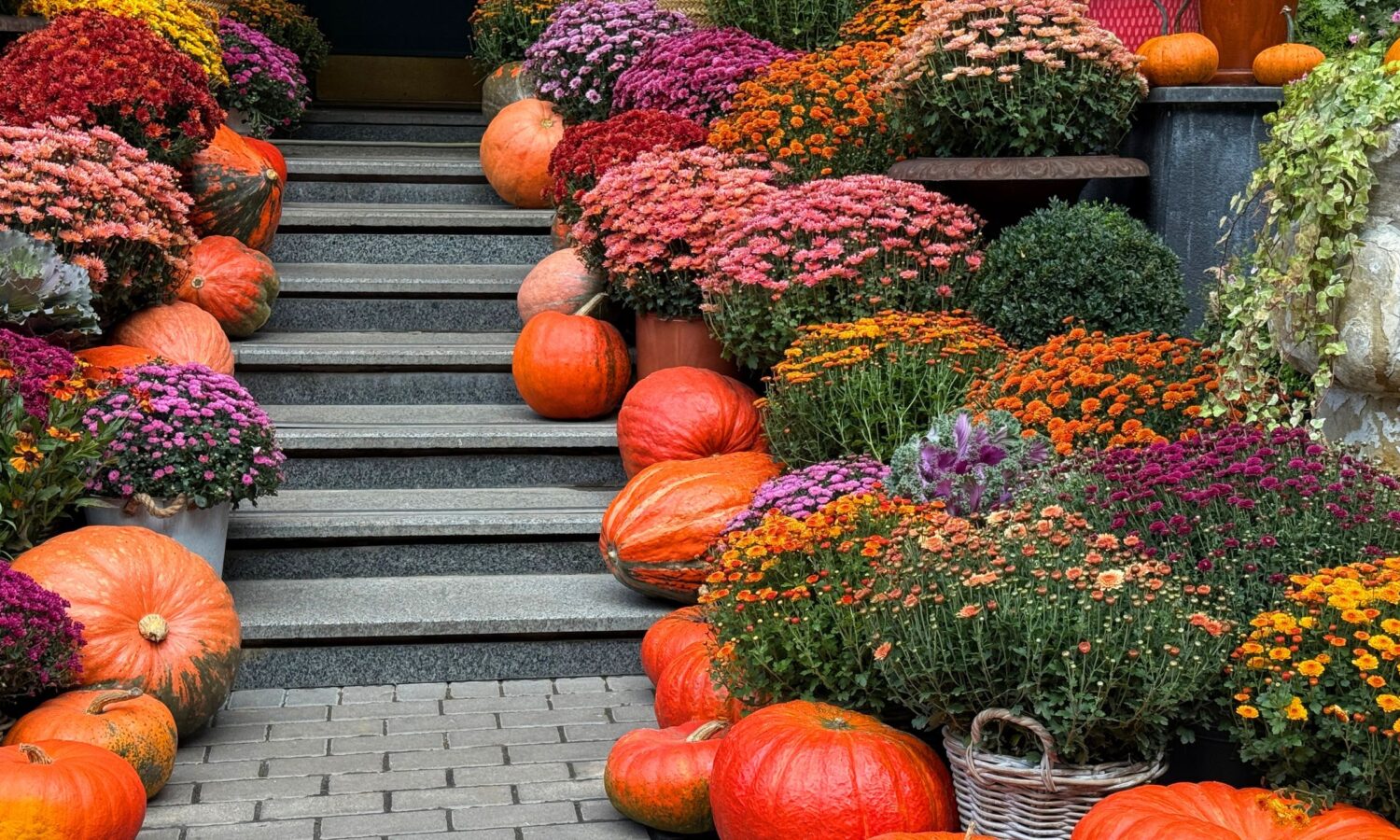
Whether you are planning a fall porch display or want your garden chrysanthemums to look their best, a few timely steps this month and next will boost your blooms. Loved by many, this so-called queen of fall flowers comes into its own as days shorten. Tough and resilient, with an array of vibrant colors and petal shapes, mums thrive in crisp autumn air yet still need attention to perform their best. Here is what gardening experts suggest to keep mums looking fabulous through the season.
1. Give Chrysanthemums Plenty of Sunshine
When planning your outdoor fall décor, carefully consider placement so pots can thrive and be enjoyed. Chrysanthemums require at least six hours of sunshine per day to flourish, whether planted in the ground or in containers.
“If you’re planting perennial mums, choose a location with good air circulation and plenty of autumn sunshine,” says horticulturalist, Sharon Murphy, founder, Gardening with Sharon.
“Avoid crowded areas where foliage stays damp for long periods because that is a perfect breeding ground for disease.”
Place nursery-grown potted chrysanthemums in sunny areas of a deck, patio, or porch where they will get their fill of light.
2. Water Plants Deeply and Consistently
Unless your region has received significant rainfall, your mums will likely need watering. In most areas the ground remains dry, and pots certainly need regular moisture checks.
“Keep watering your mums deeply once or twice a week for as as long as the flowers are still blooming,” says Jessica Hall, co-founder, Harmony Harvest Farm. “Maintaining consistent moisture will prevent drought stress. Mums are very, very thirsty but they don’t like wet feet, so water when the top two inches of soil is dry.”
Sharon Murphy explains that a good soaking less often is much better than frequent light sprinkles, especially for in-ground mums.
“Chrysanthemums have fairly shallow root systems, and flowering plants can dry out surprisingly quickly,” says Sharon. “Soaking encourages the roots to grow deeper and helps prevent the plant from drying out between waterings.”
Although, avoid spilling water over the foliage and flowers to prevent disease development.
“Like other plants, potted chrysanthemums tend to dry out much faster than those growing in the ground. This is because their roots may be pot bound and are confined to a relatively small amount of soil,” adds Sharon. “Give them a thorough drink of water as soon as you get them home but don’t let containers sit in water-soaked drip trays.”
Tim Pollak, Manager of Plant Production at Chicago Botanic Garden, points out that if plants are allowed to dry out, the flowers and future buds may not fully recover.
“Don’t rely on rain, as the plants are full, and create an umbrella effect over the root zones,” says Tim. “Water thoroughly as often as required.”
If planting in containers, use a larger container than the plants came in to help retain moisture and prevent rapid drying. Always ensure containers have drain holes before planting to prevent root diseases.
3. Feed Mindfully with Low-Nitrogen Fertilizer
Mums planted in flower beds may require a light feed this month, but go easy and choose a low-nitrogen formula.
“You can feed the plants once or twice during the fall,” says Tim. “If planting in the ground, this will also promote root growth and help them potentially survive through the winter.”
“Switching your fertilizer to a bloom booster formulation with lower nitrogen and higher phosphorus and potassium will encourage flower blooming on your mums rather than vegetative growth,” says Jessica.
Stop feeding as soon as your mums start flowering.
“Too much nitrogen late in the season can encourage soft, leafy growth when what we really want is flowers,” says Sharon. “Avoid heavy feeding in late summer and fall. Also, flowering potted Chrysanthemums do not require additional fertilizer.”
4. Deadhead and Disbud for Better Blooms
Deadheading chrysanthemums may reveal unopened buds below and keeps the plant tidy. Whichever varieties you are growing, removing spent flowers is worthwhile.
“In the garden, simply snip off faded flower heads just above a healthy set of leaves or branching point,” says Sharon. “Don’t worry about removing every single faded bloom in a large stand of plants, because a quick tidy-up every few days is enough to keep everything looking fresh.”
“There’s no need to be overly aggressive either; you’re removing the finished flowers, not reshaping the plant.”
“If you want larger, show-quality flowers, you can also ‘disbud’ by removing the side buds so the central bloom grows larger,” adds Jessica.
“Potted mums bloom once and then they are done,” says Tim. “Though removing older faded flowers can keep the plants looking good through the fall.”
5. Protect Mums From Frost
Chrysanthemums like cooler weather, but the flowers are much more vulnerable to frost than the plant itself. Monitor the forecast and have a frost cloth ready.
“A light frost doesn’t necessarily mean the end of your perennial chrysanthemums,” says Sharon. “Protecting the plants from repeated frosts can buy you considerably more flowering time.”
“When a frost warning is issued, cover in-the-ground plants with a lightweight frost cloth, old sheet, or similar breathable material resting on stakes or supports before temperatures drop.”
“The covering can be removed once temperatures rise above freezing the following morning,” says Sharon.
“Potted chrysanthemums do best when they are protected from all extremes; hot, cold, dry, or wet weather. Gather them into a sheltered spot when there’s a frost warning and return them to their sunny spot once the weather warms up the next day.”
“As the weather becomes consistently cold, the nursery-grown container eventually wears down, flowers less, and finishes, and that’s perfectly normal.”
6. Buy Potted Plants in Bud for Longer Displays
To extend a potted chrysanthemum display, buy plants before they have fully bloomed.
“Chrysanthemums are usually hardy in zones 5-9, so in colder zones, the nursery-grown pots are definitely the mode of choice,” says Sharon. “Choose plants with mostly unopened buds amongst a few open flowers and remove the finished flowers to encourage unopened buds to release.”
Tim Pollak also suggests looking for plants that are in bud and just beginning to show flower color to get the longest bloom period.
“At this point, the plants are already fully grown and won’t get any larger,” says Tim. “Most stores bring fresh plants every week, so try to purchase the freshest plants, and stay away from the older or discounted plants.”
With chrysanthemums, the choice of colors and cultivars is vast. From small daisy-like flowers to big blousy blooms in soft or strong shades, this plant allows you to flex your creativity for a fabulous fall display.
“Chrysanthemums don’t ask for much, but they reward a little attention with weeks of colour when many other garden plants are calling it quits,” says Sharon. “Keep the roots evenly moist, deadhead regularly, give them plenty of sun, and protect the flowers when frost threatens.”
With a little care, you can keep that burst of autumn colour going long after the first cool nights arrive.