Key Highlights
- Ed Sheeran delivered an emotional on-stage apology at Lincoln Financial Field in Philadelphia after rapper Macklemore was dropped from his Loop Tour over pro-Palestine comments, admitting he had made “mistakes” and felt “abandoned” by friends and family.
- Great British Bake Off winner Nadiya Hussain shared a video from therapist Megan Cooper criticizing Sheeran’s display as “white tears” — a tactic that allegedly deflects accountability and centers white emotion over the core issue of genocide in Gaza.
- All of Sheeran’s support acts quit the tour in solidarity with Macklemore, while protesters demonstrated outside the Philadelphia concert, escalating the controversy into a wider debate about artistic responsibility and political speech.
Sheeran Addresses Tour Crisis in Tearful Philadelphia Appearance
Ed Sheeran returned to the stage on Saturday, September 19, at Lincoln Financial Field in Philadelphia for the first time since his Loop Tour was thrown into turmoil following the removal of rapper Macklemore from the lineup. The 35-year-old singer-songwriter appeared visibly emotional as he addressed the controversy directly to the crowd, acknowledging the intense scrutiny surrounding the decision to drop his opening act after Macklemore made pro-Palestine remarks during a previous performance.
According to reports, Macklemore was removed after Gillette Stadium boss Robert Kraft issued Sheeran an ultimatum regarding the rapper’s continued participation. In the wake of that decision, every support act on the tour announced they would be quitting in protest. Sheeran used his Philadelphia concert to speak candidly about the personal and professional toll the situation has exacted.
Direct Quotations from Sheeran’s On-Stage Statement
Sheeran told the audience: “I’ve had to take and make difficult decisions, and I am making mistakes and I’m so, so sorry for them.” He continued: “I don’t want to disappoint fans, and I’ve never wanted to be an activist musician, but this has put me in the middle of an important and passionate argument about freedom of speech and the most complex political issue on the planet.”
Describing the personal fallout, Sheeran said: “I really didn’t know whether this tour would be carrying on,” adding: “In these situations, you really find out who your friends are and it’s been a weird week. I just feel like it happened very quickly.” He revealed that despite external pressure, ticket sales remained strong: “In the back of my mind, I saw the ticket sales for this gig and I didn’t see cancellations, I saw people buying tickets for this gig.” Concluding his remarks, he stated: “Everyone’s telling me to cancel and I’m feeling all of my friends and family and people I know abandon me.”
Nadiya Hussain Amplifies Critique of “White Tears”
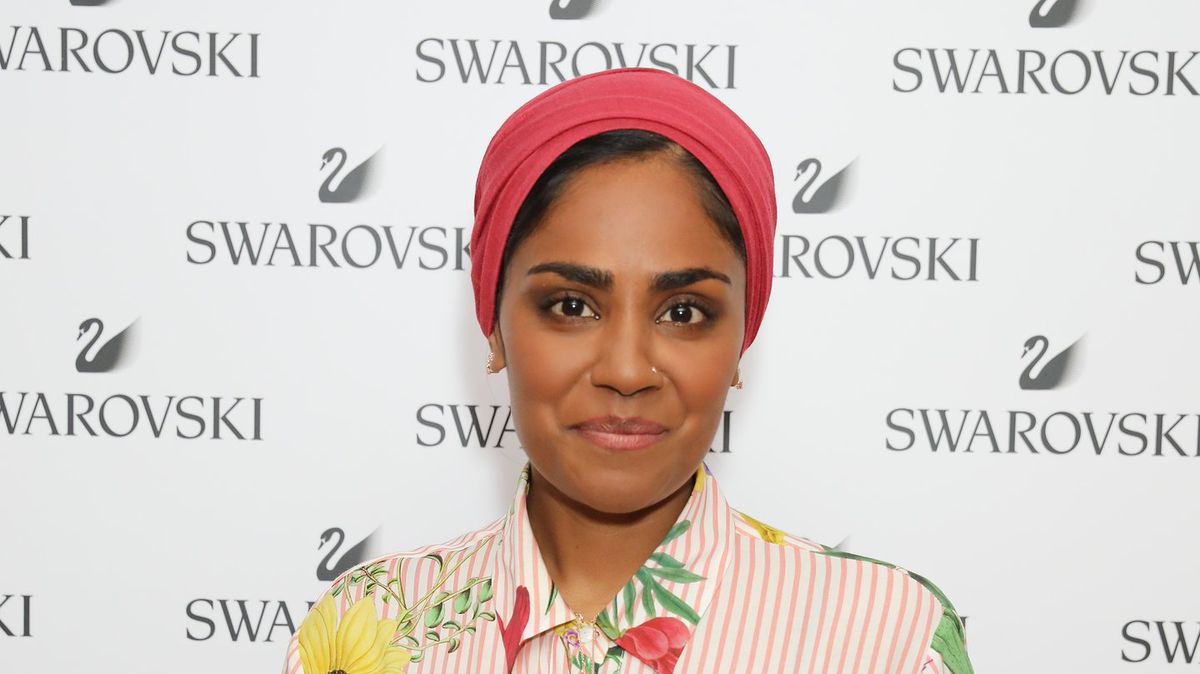
The apology drew sharp criticism from Great British Bake Off champion Nadiya Hussain, who shared a video clip from British trauma-informed holistic coach and therapist Megan Cooper without additional comment. Cooper’s analysis focused specifically on the dynamics of Sheeran’s emotional display, framing it within a broader sociological concept.
Cooper stated: “We’re all waking up to Ed Sheeran’s statement on stage, and I’m not going to go into what he said, but I do want to focus on one specific point.” She continued: “For those of us in white bodies, we need to understand and educate ourselves on white tears.” Defining the term, Cooper explained: “White tears [are] a cultural tactic using emotion, consciously or unconsciously, to deflect accountability, to gain sympathy, and to centre self in conflict and challenge, particularly during discussions around racism and oppression.”
Cooper expanded on the intersectional dimension: “not only does emotion meet whiteness, but it also meets patriarchy. So what we have [are] not just tears, it’s power.” She argued: “What happens is we become the victim,” asserting: “Our emotion is now prized above the actual issue, in this case, genocide. What this shines a light on is whose tears get to be seen, listened to, and heard in our society, and whose don’t.”
Why This Matters
The controversy surrounding Ed Sheeran’s Loop Tour has evolved into a flashpoint in the ongoing cultural debate over how public figures navigate geopolitical conflicts, particularly the Israel-Gaza war. Macklemore’s removal — reportedly at the behest of New England Patriots owner Robert Kraft — triggered a cascade of solidarity resignations from support acts, signaling a growing expectation among artists that commercial partnerships not supersede moral stances. Sheeran’s tearful apology, while framed as personal accountability, has been interpreted by critics like Megan Cooper as an example of how white emotional displays can inadvertently recenter the narrative around the perpetrator’s distress rather than the structural violence under discussion. The incident underscores the increasing pressure on mainstream entertainers to articulate clear positions on human rights issues, and the reputational risks of perceived equivocation. With protesters gathering outside venues and high-profile figures like Nadiya Hussain amplifying structural critiques, the fallout may influence how future tours handle political speech clauses and artist solidarity.
Frequently Asked Questions
Why was Macklemore removed from Ed Sheeran’s Loop Tour?
Macklemore was dropped from the tour after making pro-Palestine comments during a performance. Reports indicate that Gillette Stadium owner Robert Kraft issued an ultimatum to Sheeran regarding the rapper’s continued participation, leading to his removal from the remaining dates.
What is the concept of “white tears” as described by Megan Cooper?
According to therapist Megan Cooper, “white tears” refers to a cultural tactic where emotion — consciously or unconsciously — is used by white individuals to deflect accountability, gain sympathy, and center themselves in conflicts involving racism and oppression, thereby prioritizing their feelings over the core issue, such as genocide.
How did the other support acts respond to Macklemore’s removal?
All of Ed Sheeran’s support acts announced they would be quitting the Loop Tour in protest of Macklemore’s removal, signaling collective solidarity with the rapper and opposition to the decision.