Key Highlights
- Sergio Perez showed strong race pace at the Spanish Grand Prix, matching and briefly surpassing Alexander Albon’s Williams before a water leak forced his retirement.
- Teammate Valtteri Bottas struggled with significant tire degradation and brake management, highlighting a performance disparity within the Cadillac squad.
- Cadillac targets improvement at the Azerbaijan Grand Prix, where the Baku circuit’s low-downforce nature may mask the MAC-26’s current aerodynamic deficiencies.
Perez Finds Encouraging Pace Amid Reliability Woes
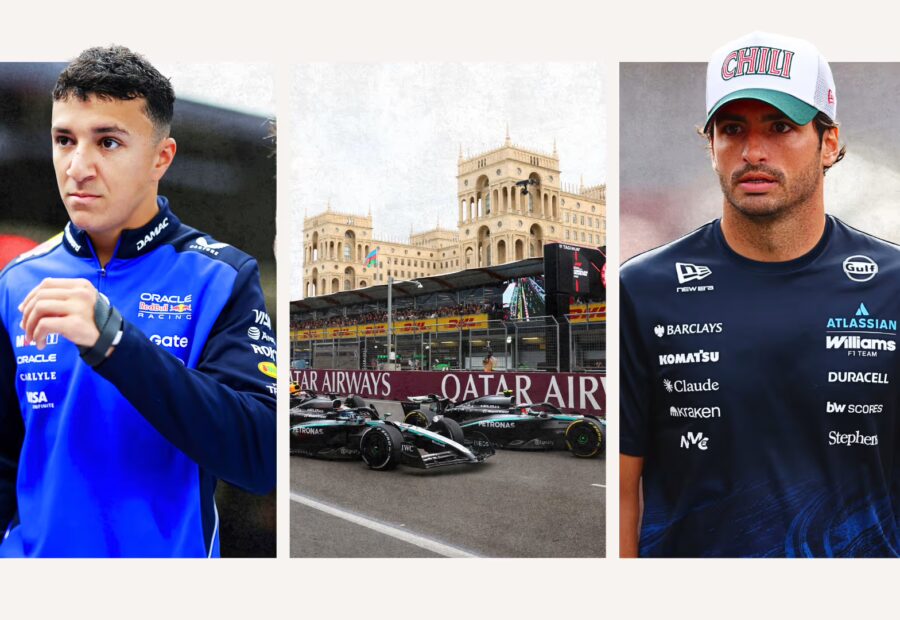
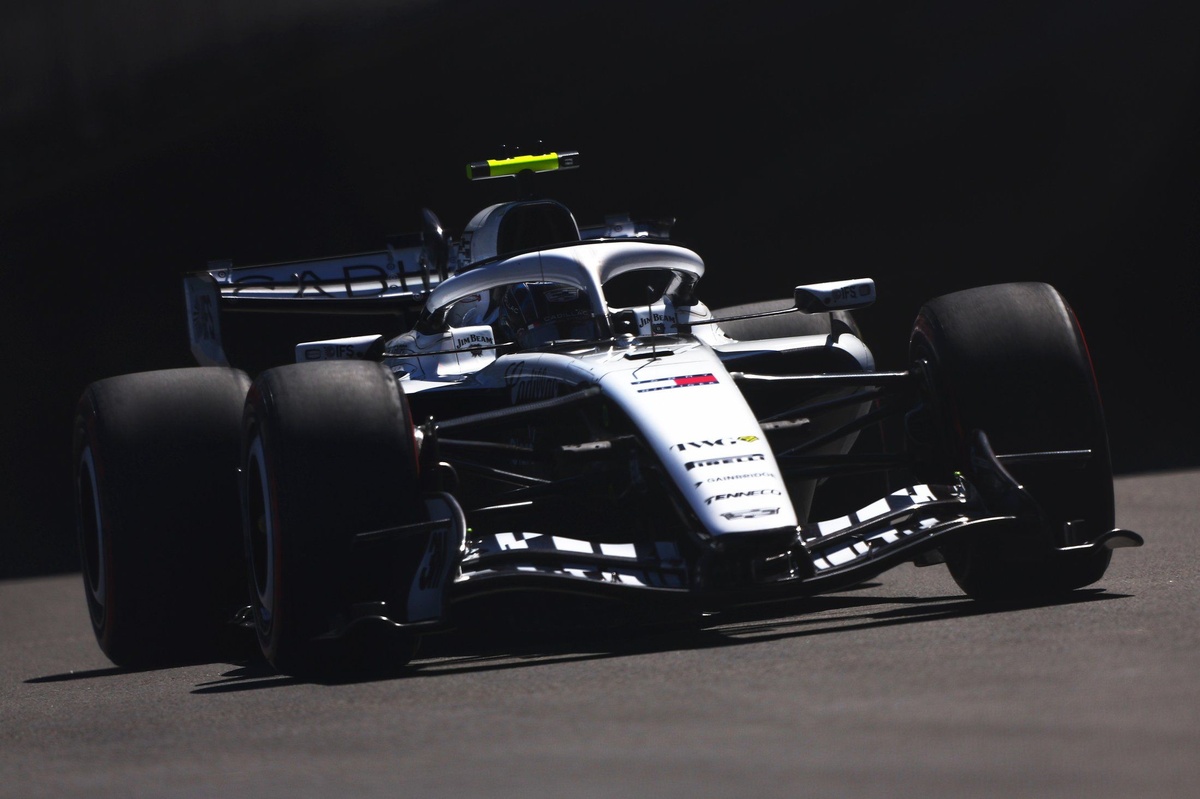
Cadillac’s maiden Formula 1 campaign has largely been defined by backmarker status, but the Spanish Grand Prix at the new Madrid circuit—referred to as Madring—offered a glimmer of competitiveness from Sergio Perez. The Mexican driver qualified 18th but made a lively start, jumping past Yuki Tsunoda and Carlos Sainz to sit 16th. More importantly, his race pace proved genuinely competitive against the midfield benchmark.
Perez spent the entirety of his race shadowing Alexander Albon’s Williams, running a near-identical strategy of mediums to hards under the Virtual Safety Car. “I was pretty much the same pace as [Alexander] Albon all the way through,” Perez commented. “I was within a second or two until we had the issue. So a really strong weekend for the team in terms of pace. We pushed everything, we were on the limit with the brakes, but we pushed to the very limit, and [I’m] happy with that.” Telemetry backed his assessment: while Perez was 0.403 seconds per lap slower on the medium compound over 11 representative laps, he turned the tables on the hard tire, lapping 0.351 seconds quicker than Albon over eight laps before a terminal water leak and blue flags ended his challenge.
Bottas Highlights Degradation and Durability Deficits
The picture was starkly different for Valtteri Bottas. The Finn languished at the rear of the field, managing excessive brake temperatures with persistent lift-and-coast throughout the afternoon. “We know we need to improve,” the Finn nervously chuckled. “The car is still not robust enough, and we need to make it a lot faster. And the deg today highlights how much we’re lacking, it’s like way more than the competition.” Cadillac’s reliability record underscores the struggle: the team has suffered 11 retirements or non-starts in the 2026 season, fewer than Aston Martin’s 15 but significantly more than Williams’ seven.
When presented with Perez’s positive comparison to Albon, Bottas offered a nuanced counterpoint. “In the beginning we can be there, we’ve seen, but as the race progresses, the deg gets worse. But actually for the next event, I’m more hopeful that we can be there. Baku, the only high-speed corners, they are flat out; otherwise it’s slow- or medium-speed.” His assessment points to a fundamental aerodynamic inefficiency on the MAC-26 that punishes the car disproportionately on conventional circuits.
Why This Matters: A Two-Tier Trajectory for a Rookie Team
The divergent weekends of Perez and Bottas expose the volatile nature of Cadillac’s development curve. Perez’s ability to match a race-winning midfield outfit like Williams—albeit over a limited sample—suggests the underlying potential of the chassis and power unit package exists, provided the car is in its optimal window. Conversely, Bottas’s experience confirms that the operational window remains dangerously narrow, with tire degradation and thermal management acting as primary performance limiters. With 11 DNFs already on the board, reliability is not merely a statistical blemish but a barrier to data accumulation. The upcoming Azerbaijan Grand Prix represents a critical calibration opportunity: Baku’s unique layout, dominated by long straights and low-speed corners, reduces the downforce demand that currently plagues the MAC-26. A strong showing there would validate the team’s aerodynamic diagnosis and provide momentum heading into the European swing, but it would not solve the fundamental lack of robustness that Bottas emphasized.
Frequently Asked Questions
How did Sergio Perez’s pace compare to Alexander Albon at the Spanish Grand Prix?
On the opening medium stint, Perez lapped 0.403 seconds slower per lap than Albon. After both switched to hard tires under the Virtual Safety Car, Perez was 0.351 seconds per lap quicker over eight representative laps before a water leak and blue flags intervened.
What are Cadillac’s main technical issues according to Valtteri Bottas?
Bottas cited insufficient car robustness, excessive tire degradation relative to rivals, and persistent brake temperature management issues requiring significant lift-and-coast throughout the race.
Why is the Azerbaijan Grand Prix seen as a better opportunity for Cadillac?
The Baku circuit features predominantly slow- and medium-speed corners with only flat-out high-speed sections, reducing the downforce demand that currently exposes the MAC-26’s aerodynamic deficiencies on conventional tracks.