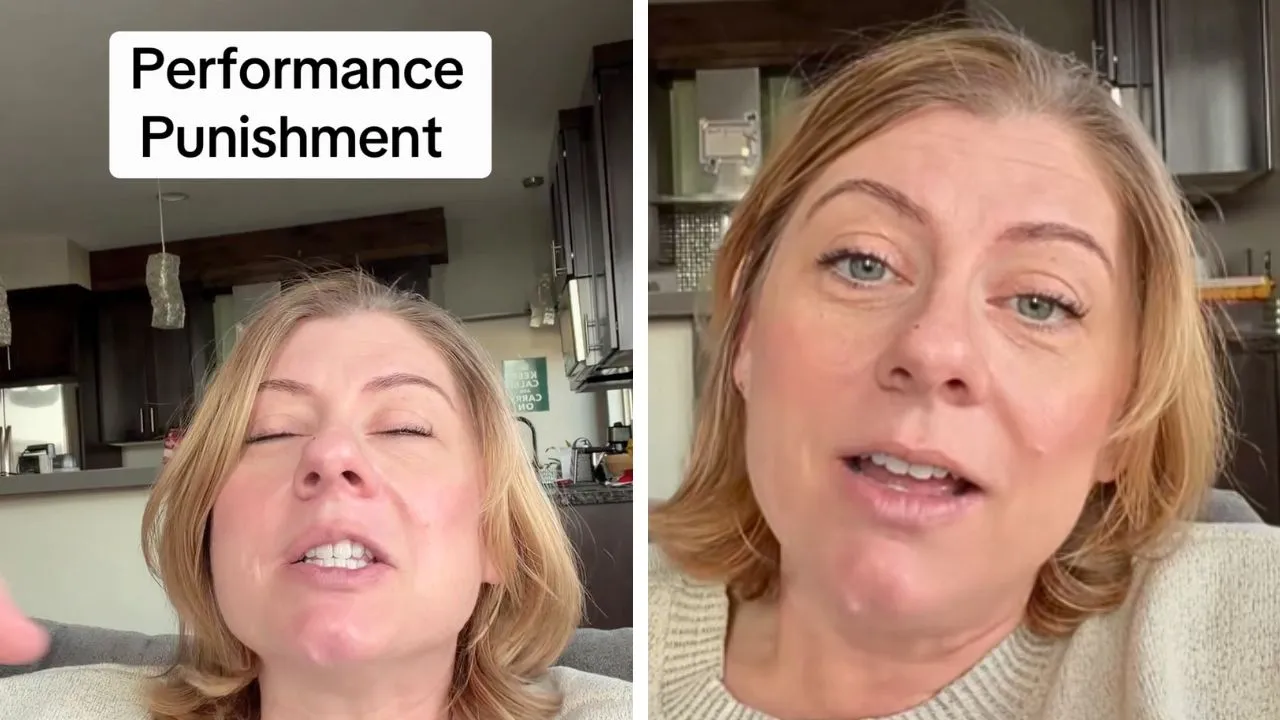
High-performing employees may be more likely to leave their jobs when managers repeatedly rely on them without offering additional pay, promotions or support, according to a TikTok creator who calls the pattern “performance punishment.”
Lynda, who posts on TikTok as @lynda.leads and refers to herself as “Manager Guru,” discussed the workplace phenomenon in a video that drew more than 6,300 comments. Many viewers said they had experienced similar treatment at their own jobs.
“Someone shows up, they deliver,” Lynda said. She described high performers as employees who solve problems, rescue struggling projects and take responsibility for their teams. Over time, those workers can become the ‘default’ people managers turn to when coworkers miss deadlines or workplace processes fail.
Lynda’s central argument was that repeatedly depending on the same employee can saddle them with excessive responsibility, tighter deadlines and ever-higher expectations.
@lynda.leads There is a real name for what happens when your strongest employees get overloaded for being good at their job: performance punishment. It’s when high performers are rewarded with more work, tighter deadlines, and constant pressure instead of support, pay, or protection. This is how burnout starts and how top talent walks out the door. If you’re a manager, this is your warning. And if you’re always “the one who can handle it,” this might be why you’re exhausted. #learnontiktok #tiktoklearningcampaign ♬ original sound – Lynda | Manager Guru
Employees describe extra work, burnout and missed raises
Many commenters said they had faced similar situations. One commenter summed up the sentiment by writing, “The more you do, the more they expect.”
Some workers said they stopped covering for coworkers’ mistakes, only to be accused by management of having a “bad attitude.” Others said they quit after feeling that their additional effort had been taken for granted. One commenter said overworking can make employees ‘too valuable for promotion; another called the situation “the curse of competence.”
Compensation was another recurring concern. One commenter said they received a 0.22% raise despite being rated as exceeding expectations in every area. Another worker said they discovered that a new employee was earning a higher salary after management rejected their own raise request because it was “not in the budget.”
Image Credit: TikTok| @lynda.leads
Several employees said they changed their approach after experiencing burnout. One commenter said they stopped volunteering for extra work and unpaid hours and would only do what they were paid to do. Others said they resigned rather than continue working under those conditions.
One commenter said they left a job and accepted a lower salary in exchange for better management and improved mental health, adding that the decision was “worth it in the end.”
Not all commenters blamed individual managers. Some said the problem reflected broader organizational expectations. One manager said they had a strategy for actively developing top performers and helping them move into new roles.