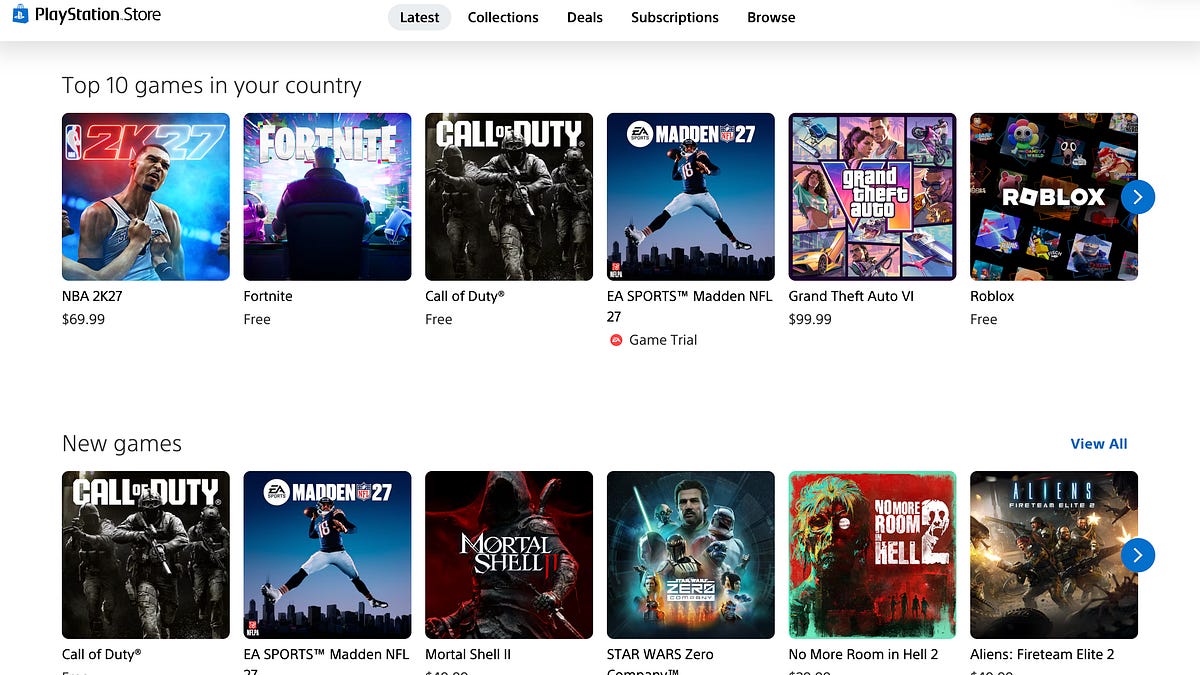
Sony argues that its current disclosures about digital purchases on the PlayStation Store are clear enough that “reasonable consumers would not be misled” into believing they own the digital games they pay to play.
The company made the argument on August 21 in a filing with the U.S. District Court for the Northern District of California. It was Sony’s first substantive response to a proposed class-action lawsuit filed against PlayStation two months earlier.
In June, a group of gamers and their lawyers claimed that Sony’s digital-store disclosures failed to comply with a 2025 California law. The law requires companies to make clear that paying for a downloadable game does not provide the permanent access consumers would typically associate with ownership.
The law requires a “clear and conspicuous” warning that “states in plain language that ‘buying’ or ‘purchasing’ the digital good is a license.”
How PlayStation describes digital game purchases
When a customer pays for a digital game on PlayStation, the game’s listing in Sony’s digital shopping cart includes fine print stating that the purchase is subject to Sony’s PlayStation Terms of Service and Software Product Licensing Agreement, or SPLA. Both documents are linked so consumers can review them before completing the purchase.
The gamers argued in their June lawsuit that these disclosures do not meet California’s legal standards.
In its August 21 filing, Sony disagreed. The company pointed to language in the linked documents stating that “you can use a product in the ways described in the license, but do not own the product” and ”[t]he Software is licensed to you, not sold.”
Both statements appear hundreds of words into digital documents that run to thousands of words, according to the filing’s context.
Sony also argued that consumers who pay for a digital game inherently understand they cannot own it because, if they did, no one else could have a copy. The argument distinguishes a digital game copy from a physical object that can be possessed by only one person at a time.
Sony’s lawyers presented that argument in the company’s response to the proposed class action.