A Sailor’s Reflection: Storms, Home, and the Duty That Binds Them
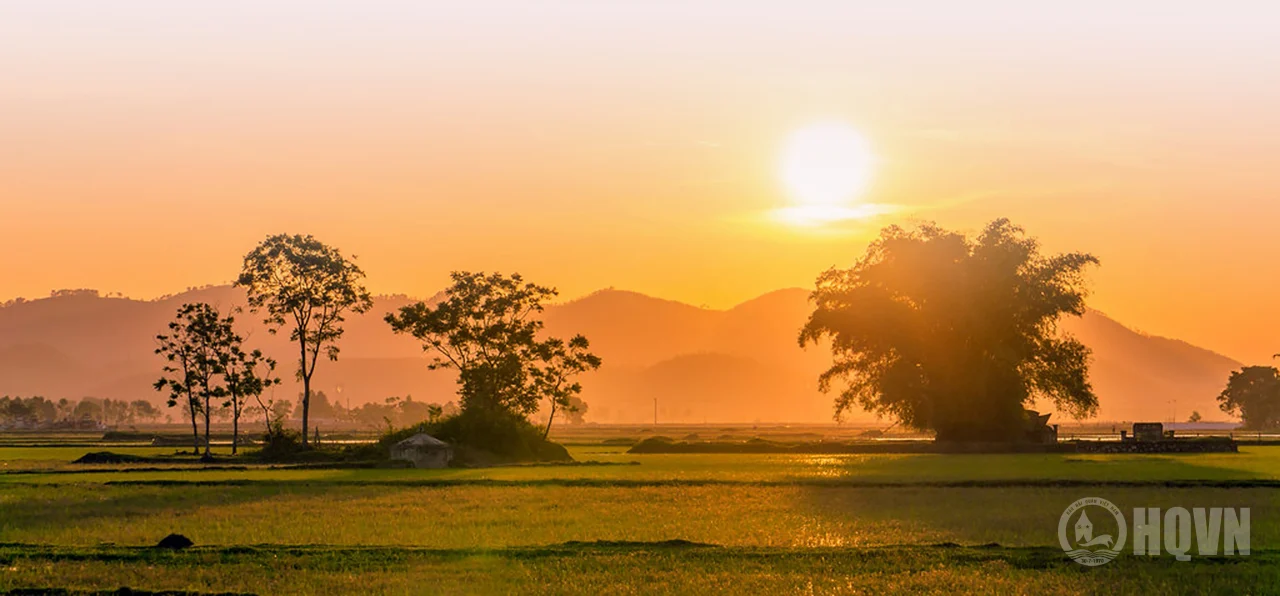
There are moments like these when sailors fall into a long silence. It is not because we have nothing to say, but because in that newly reclaimed peace, each of us reflects on our own memories. For me, those thoughts always return to my homeland in central Vietnam. Every time the rainy season ends, I miss my hometown deeply.
Childhood Memories of Central Vietnam’s Storms
My hometown lies in the central region of Vietnam, where summer brings scorching winds from Laos and the rainy season often brings violent storms. The people of the central region are accustomed to watching the sky, the clouds, and listening to the wind to predict an approaching storm. Low houses sway with the gusts. Trees bend dangerously. Roads flood. Rivers that were once calm suddenly run thick with mud.
When I was little, every time a storm was announced, my mother would frantically gather everything in the house. She stacked sacks of rice. She stored clothes in the old wooden wardrobe. She brought the porch plants inside. My father calmly checked the roof tiles and reinforced the house pillars with steel wire. As a child, I thought storms were something distant. It wasn’t until I heard the wind howl through the door cracks, the rain pour in sheets, and the roof shake violently that I understood the ferocity of nature.
There were nights when the whole family huddled under the oil lamp. Outside, the wind blew as if it wanted to tear everything down. The rain hammered against the corrugated iron roof, sometimes near, sometimes far. My mother sat by the window, looking out occasionally and sighing. My father stayed awake almost all night, listening for any part of the roof that might have been torn away.
After each storm, my hometown usually falls into a particular silence. The trees stand bare. Broken tiles lie scattered everywhere. Mud covers the yards. The village path turns into a quagmire. But then, barely a day or two later, you see farmers bent over in the fields, some rebuilding fences, others repairing roofs, neighbors helping each other. That is central Vietnam. The land may be harsh, but the people always have warm hearts.
Life at Sea: Facing Nature’s Fury
Now I am a naval soldier, serving on the high seas. When storms arrive, I no longer stay behind a window listening to the wind as I did in my childhood. I am on the ship’s deck, in the middle of a vast expanse of sky and water, where there is no roof to shelter me, no trees to lean on, only the sea and my comrades beside me.
At sea, storms unleash violence greater than any I had seen in my homeland. Waves rise like walls. The ship lists dangerously in the middle of a blinding white curtain of rain. The wind slaps my face, causing a stinging pain. For moments, the sky and sea seem to merge into one, preventing me from seeing what lies ahead and what lies behind. But during those hours, we stayed together. One manned the radio, another kept watch, another checked every position on the ship. Brief conversations echoed in the wind. A hand rested on a comrade’s shoulder. A glance was exchanged like a word of encouragement.
The Weight of Nostalgia on Duty
Perhaps the greatest test for a sailor is not presented on the high seas, but in moments of nostalgia. There were night watches at sea when I suddenly remembered the sound of rain falling on the old roof. I remembered the smell of wet earth after the rain. I remembered the flooded village path. I remembered my mother standing on the porch looking at the sky. I remembered my father diligently tying banana leaves in the backyard. Those seemingly insignificant memories became a faint light in the hearts of the soldiers. Because we understood where we were and with what purpose. Every time we thought of it, our mission had a simple meaning.
We are here so that those at home can live in peace. So that the ships plying the seas are safe. So that beyond the horizon there is a country that lives, works, and has hope.
After the Storm: Resilience and Purpose
After days of rough seas, the sun shines again. The clouds gradually disperse on the horizon. Seabirds return. The waves, once covered in foam, are no longer fierce; they gently caress the ship’s hull. After losses, hardships, and challenges, people learn to appreciate a quiet day more, a reunion meal, a phone call from home, or simply hearing their mother’s voice saying: “¿Cómo estás ahí fuera, hijo mío?”
I usually answer that I am fine. But there are things that cannot be fully expressed over the phone. I cannot say that, being at sea, I sometimes miss my hometown so much it breaks my heart. I cannot say that every time I see a little house on the shore, I think of my own home. I cannot say that with every passing rainy season, my love for central Vietnam grows a little more. And words cannot express the pride I feel standing between the sea and sky of my homeland, wearing the uniform of a Navy soldier.
Enduring Love for Homeland
The sea will continue to have its stormy days. Central Vietnam will continue to have its long rainy seasons and sudden storms. But despite everything, people will rebuild their homes, replant their trees, sow new seeds in the fields, and continue with their lives. Like us sailors, after every storm, we remain on watch. But in the hearts of sailors, the love for our homeland never fades. And it remains with us during all the years we spend at sea, protecting the peace of our native land.
Source: baohaiquanvietnam.vn