F1 Expands Sprint Format to 10 Races in 2027, Including Controversial Monaco Addition
Formula 1 has confirmed a significant expansion of its sprint format for the 2027 season, increasing the number of sprint weekends from six to ten. While the commercial rationale is clear—promoters gain higher-value Friday and Saturday sessions, and viewership data shows stronger engagement compared to traditional practice—the decision to introduce a sprint race at the Monaco Grand Prix has sparked intense debate among pundits and purists alike.
Monaco Sprint Alters Historic Weekend DNA
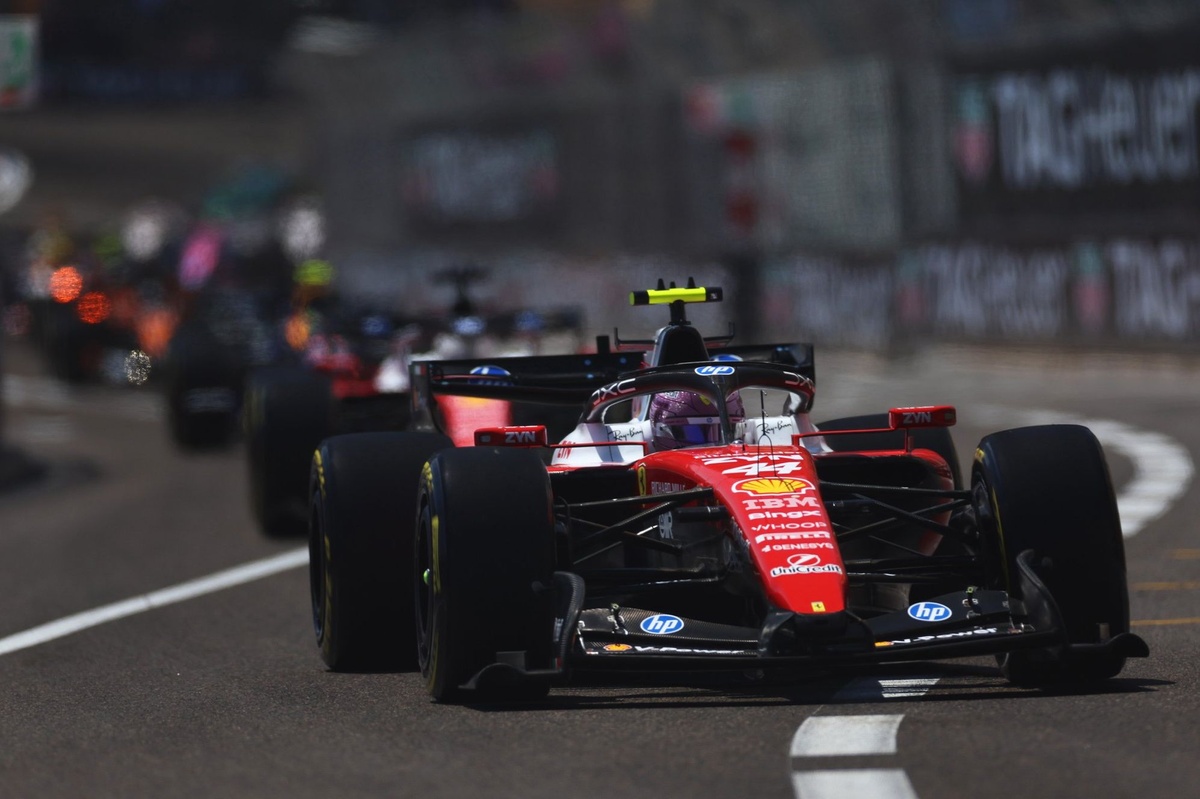
The inclusion of Monaco marks the most radical departure yet for the sprint concept. Traditionally, the Monte Carlo weekend follows a unique rhythm: a gradual, session-by-session build-up where drivers edge closer to the barriers, culminating in a high-stakes qualifying session on Saturday afternoon. That crescendo is now disrupted by a Saturday morning sprint race and a second qualifying session—Sprint Qualifying—effectively delivering two “pole position” shootouts in 24 hours.
Ronald Vording argues this fundamentally changes the character of the event. “Two qualifying sessions in Monaco will undoubtedly be spectacular, but this changes the DNA of the Monaco weekend and the way drivers build it up – and I’m not sure the purist in me necessarily needed that to change.” He notes that the trackside experience—watching drivers progressively find the limit at Piscine and Tabac across FP1, FP2, and FP3—is an art form in itself. Max Verstappen’s 2018 FP3 crash, which forced him to miss qualifying in a potential race-winning car, exemplifies the risk-reward dynamic that defined the traditional build-up.
With a sprint race now preceding the main qualifying session, drivers may adopt a more conservative approach on Saturday morning to protect their primary grid position. The unique tension of a single, all-or-nothing qualifying lap is diluted, replaced by a format that prioritizes commercial inventory over the circuit’s distinctive sporting challenge.
Calls for Format Innovation: Reverse Grids and Qualifying Shootouts
Beyond Monaco, the broader expansion to ten sprint weekends raises questions about the format’s sporting value. Oleg Karpov suggests F1 should be bolder in differentiating the sprint from a “mini-grand prix.” In its current form, the sprint offers little strategic variance—no pit stops, same tyre compounds, same grid order logic—effectively handing extra points to the frontrunners and widening the gap to the midfield.
Karpov proposes a reverse-grid sprint based on championship standings, arguing it would create genuine jeopardy and showcase midfield and backmarker teams. “We’d see Cadillac and Williams drivers trying to salvage a few more points in such races, and that would surely add another intrigue: how many places can the championship leaders still gain, starting from the back?” He acknowledges the artificiality but counters that purpose-built racing cars on designed circuits are inherently unnatural constructs.
A third perspective advocates for a one-lap qualifying shootout on sprint weekends, run in championship order—slowest team first, fastest last. This would introduce variable track conditions as a leveller without the sporting controversy of a full reverse grid. Crucially, this format would apply only to the sprint grid, preserving the integrity of Sunday’s Grand Prix qualifying.
Has F1 Conceded Monaco as a Race?
The Monaco sprint decision carries a symbolic weight. After the failed mandatory two-stop experiment in 2025 failed to manufacture overtaking, the sprint pivot reads as an acceptance that the Grand Prix itself will remain a procession. Instead of addressing the root cause—track layout and car dimensions—F1 is leaning into Monaco’s strongest asset: qualifying spectacle.
From a promoter’s perspective, two high-stakes qualifying sessions are a commercial masterstroke. From a sporting standpoint, it risks normalizing the idea that certain races are “write-offs” in advance, with the weekend’s competitive narrative shifted entirely to Saturday. As the calendar expands and sprint events proliferate, the pressure to differentiate the format—and justify its existence beyond revenue generation—will only intensify.
2027 Sprint Calendar at a Glance
The ten sprint venues for 2027 include a mix of traditional circuits and newer street tracks. Notably, the Canadian Grand Prix joins the list alongside Monaco, signaling F1’s commitment to the format across diverse circuit types. The full slate reflects the championship’s strategy to maximize “meaningful sessions” per weekend, but the debate over sporting purity versus commercial optimization remains unresolved.