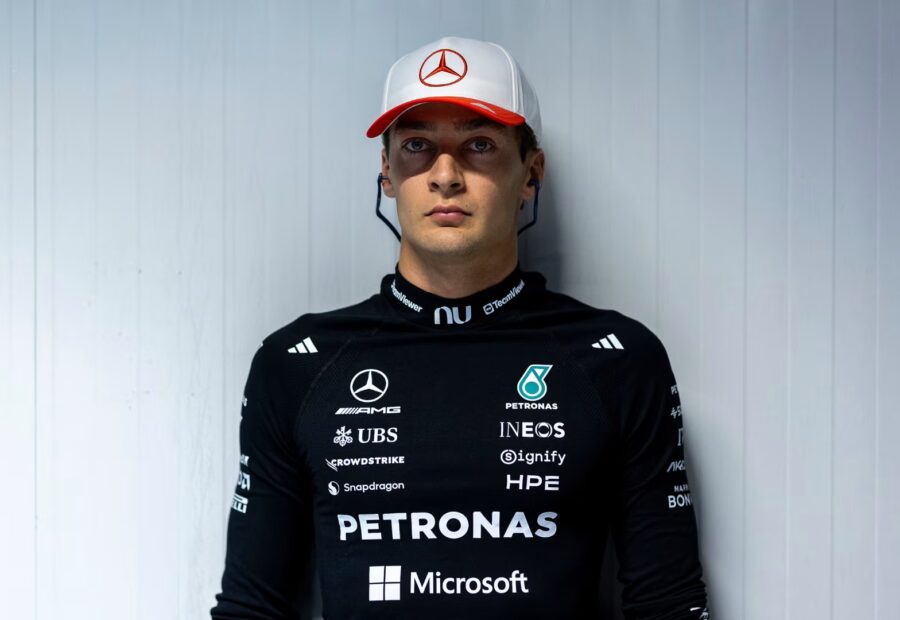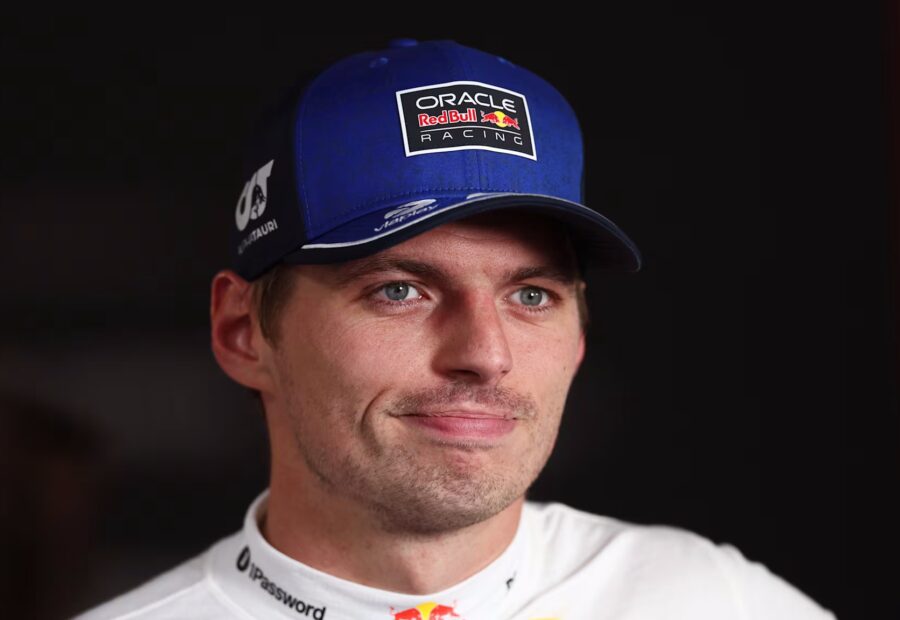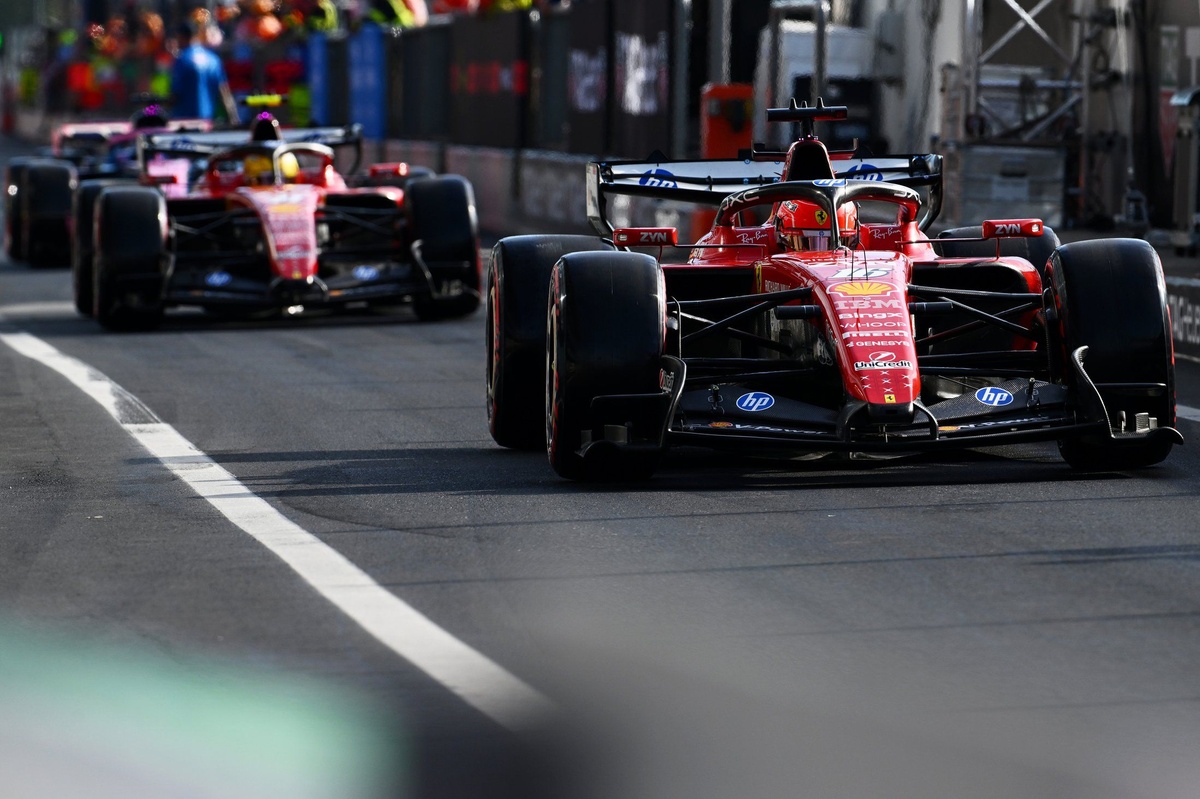
Charles Leclerc and Lewis Hamilton’s on-track clash and post-race tension at Monza follows a familiar pattern in Formula 1 history, yet the underlying motive remains unusually opaque. While teammate rivalries are a staple of the sport, the Ferrari duo’s current friction lacks the clear championship stakes that defined the sport’s most famous feuds.
Historical Context: When Rivals Fight for the Title
The great teammate battles — Ayrton Senna versus Alain Prost, Nigel Mansell versus Nelson Piquet, Mark Webber versus Sebastian Vettel, Nico Rosberg versus Hamilton — all ignited when both drivers had machinery capable of winning the world championship. In those eras, the title depended almost entirely on beating the person across the garage.
Consider the most recent parallel. In Hamilton’s first Mercedes season (2013), the W04 yielded one win for him and two for Rosberg. The car was not a title contender, and their relationship remained cordial. Everything shifted in 2014 when Mercedes’ hybrid power unit arrived; suddenly the ultimate prize was at stake, and the pair transitioned from sharing pizza in Monaco to an intense rivalry extending well beyond the circuit.
No Championship, No Contracts, No Financial Pressure
With Leclerc and Hamilton, the incentives are missing. Ferrari’s public ambition notwithstanding, the 2025 season’s results and standings make a credible world-title challenge difficult to argue. Neither driver is fighting for a 2027 seat — both have long-term deals secured — and both command salaries that render a “fighting over crumbs” narrative, joked about in the Monza paddock, entirely wide of the mark.
Crucially, both are employed by Ferrari to deliver for Ferrari. As established stars, they are expected to prioritize the team’s interests, especially when the car cannot realistically contest a championship.
Shifting Dynamics: From Frustration to Form
Hamilton spent much of 2025 absorbing frustration while Leclerc consistently outperformed him. Having rediscovered his pace, the seven-time champion now appears keen to make a statement — to the paddock and to his teammate. Conversely, Leclerc’s stock rose sharply last year on the back of that superiority; twelve months later, Hamilton leads comfortably in the championship table, altering the internal pecking order.
This need to prove oneself against a teammate typically drives midfield battles, where a single podium can define a season and job security is fragile. For two veterans with secured futures, beating each other at all costs should be a lower priority.
Vasseur’s Next Move
The onus now falls on team principal Frédéric Vasseur. He met both drivers in his Monza office before the race, but a follow-up discussion appears necessary. The principle is straightforward: team interests must supersede individual ambitions, particularly when the prize is not a world championship.
A rivalry can be an asset when it propels a team toward success. When no title is at stake and the friction begins to undermine collective performance, it becomes just another problem — and Ferrari already carries enough of those.