How Kimi Antonelli and Mercedes Mastered the VSC to Win the Spanish Grand Prix
Kimi Antonelli’s victory at the Formula 1 Spanish Grand Prix appeared to hinge on a stroke of luck when a Virtual Safety Car (VSC) was triggered by Lance Stroll’s retirement. However, a deeper look at the telemetry and team radio reveals a calculated masterclass in racecraft and strategy from the Mercedes rookie and his pitwall.
The VSC Moment That Changed the Race
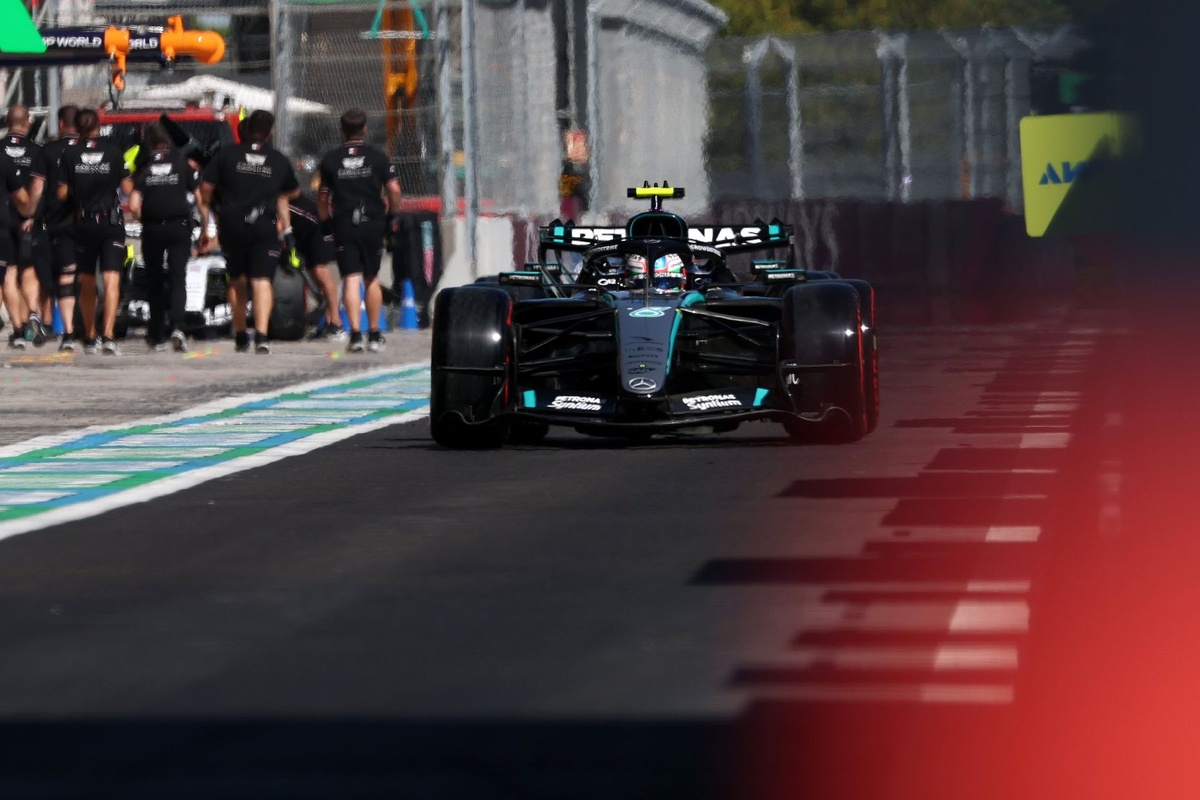
The neutralisation period arrived at the precise moment to flip the script on a race that Lando Norris seemed destined to win. Norris had already passed the pitlane entry when the VSC was deployed, eliminating his chance to stop. Antonelli, conversely, managed to dive into the pits at the last second. He emerged with the “virtual” lead, slotting in just behind Charles Leclerc, who had yet to make his stop.
While the timing was fortunate, it was not accidental. Mercedes had anticipated the neutralisation, and Antonelli manipulated his pace to buy the team the critical seconds required to execute the stop.
Telemetry Reveals Deliberate Pace Management
Data analysis highlights exactly how Antonelli created his own opportunity. The moment yellow flags flew for Stroll’s stranded Aston Martin at Turn 20, race engineer Peter Bonnington alerted the Italian. Antonelli immediately backed off—significantly more than required by the regulations.
Comparing Lap 13 vs. Lap 14
- Turn 19: Antonelli entered 29 km/h slower than on the previous lap.
- Turn 20 Braking Zone: He arrived 24 km/h slower, lifting off the throttle much earlier.
This deliberate deceleration cost him several tenths against Norris and Max Verstappen on track, but it gifted his strategists the time window needed to confirm the VSC and call him in.
Antonelli vs. Verstappen Under Identical Conditions
The contrast is stark when comparing Antonelli’s telemetry to Verstappen, who was running six seconds behind under the same yellow flags before the VSC was officially deployed:
- Verstappen was 15 km/h faster through Turn 19.
- Verstappen reached the Turn 20 braking point 18 km/h quicker, lifting later.
Antonelli was not merely adhering to the yellow flag delta; he was actively managing the gap to the pit entry to ensure he would be in position if—and when—the race was neutralised.
Driver and Pitwall in Perfect Sync
Antonelli confirmed the pre-emptive nature of his actions after the race, crediting the early warning from his engineer.
“In my case, the timing was perfect: Bono warned me in the final sector that a virtual safety car might come out, so I lifted off,” Antonelli said after the race. “I slowed down a bit on purpose to see if I could catch the VSC right before the pit entry, and it worked out great.”
The Mercedes pitwall had already flagged a high probability of a VSC based on real-time analysis of Stroll’s incident. This foresight allowed the strategy group to initiate the communication chain before Race Control made the official call.
Three-Second Decision Making
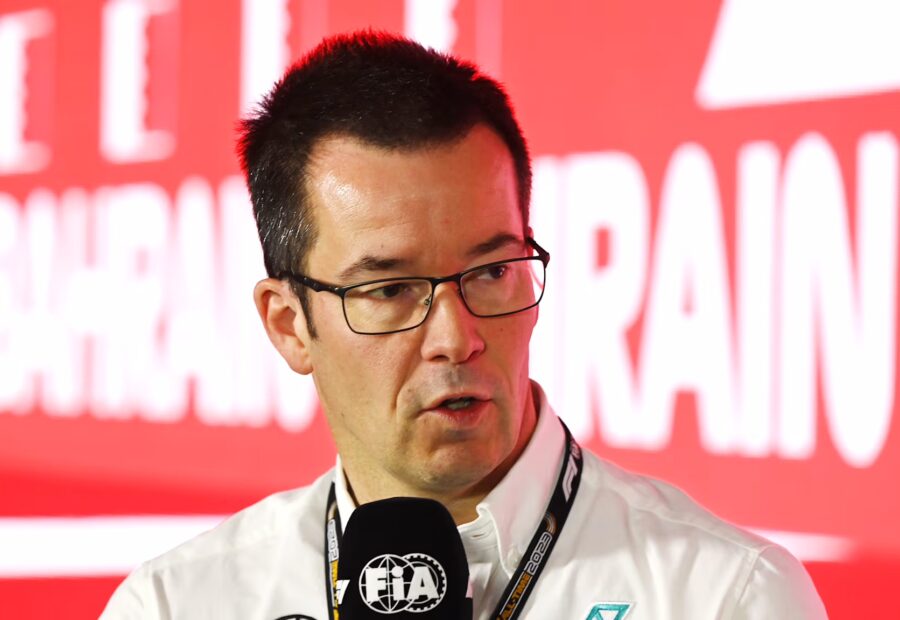
Team principal Toto Wolff praised the speed of the internal process, estimating the entire chain—from strategy identification to driver execution—took roughly three seconds.
“The chain of command, the process was great,” Wolff said. “The strategy group had it on their mind, obviously, and then someone said, ‘That’s not going to clear quickly with the Aston Martin in the wall’. And then it was strategy to Bono, Bono double-checked, Bono to Kimi, and that was all. We’re talking about three seconds.”
Racecraft Beyond the Years
It remains impossible to quantify exactly how many tenths Antonelli’s deliberate lifting contributed to the successful stop versus the VSC timing itself. However, the episode serves as a compelling case study in the 18-year-old’s ability to read a race dynamically. By anticipating the neutralisation and adjusting his speed proactively, he handed his team the margin required to execute a race-winning strategy.