Key Highlights
- Honda Racing Corporation replaces F1 Power Unit development leader Tetsushi Kakuda with deputy Yoichiro Fukao, effective October 1, 2026, citing a planned transition to accelerate development.
- The leadership change comes amid a difficult start to the 2026 regulatory era, where Honda has struggled for performance and reliability, qualifying for extra development allowances under the ADUO system.
- Further discussions involving FIA President Mohammed Ben Sulayem, Aston Martin owner Lawrence Stroll, and driver Fernando Alonso explore additional support mechanisms for the Japanese manufacturer ahead of 2027 rule changes.
Honda Reshuffles F1 Engineering Leadership to Address 2026 Struggles
Honda Racing Corporation (HRC) has announced a significant leadership change within its Formula 1 power unit division, removing Tetsushi Kakuda from the role of Large Project Leader (LPL) and promoting his deputy, Yoichiro Fukao, effective October 1, 2026. The move arrives at a critical juncture for the Japanese manufacturer, which has endured a torrid introduction to the sport’s new regulatory framework introduced this season.
In an official statement, HRC framed the decision as a deliberate step to strengthen its technical trajectory. “Honda Racing Corporation will implement a change in the leadership of its F1 Power Unit (PU) development programme, effective October 1st, 2026, with the aim of further accelerating PU development and ensuring a smooth transition to the next generation of engineers,” Honda said in a statement. The announcement underscores a dual mandate: immediate performance recovery and long-term succession planning.
Fukao Elevated from Software Division to Lead Power Unit Programme
Yoichiro Fukao steps into the LPL position after serving as Assistant LPL, Deputy Leader of the F1 Project, and Head of the Software Division. His appointment signals a potential shift toward software-centric development strategies, a critical area given the increased reliance on electrical deployment and energy management under the 2026 rules. “Yoichiro Fukao, currently serving as Assistant LPL (Deputy Leader of the F1 Project, Head of the Software Division), will assume the role of LPL (Large Project Leader), succeeding Tetsushi Kakuda, who has led the PU development to date,” the statement confirmed.
HRC emphasized continuity despite the change at the top. “This organisational change is a planned transition designed to ensure the reliable transfer of technical expertise to the next generation of engineers.” Kakuda’s tenure saw Honda achieve championship success with Red Bull Racing prior to the manufacturer’s brief hiatus and subsequent return as a works partner to Aston Martin, but the current regulatory reset has exposed significant deficits.
Disastrous 2026 Campaign Triggers Emergency Development Measures
The leadership upheaval cannot be separated from Honda’s on-track reality. The 2026 regulation overhaul — featuring vastly increased electrical power contribution, active aerodynamics, and standardized components — has left the Sakura-based operation off the pace and plagued by reliability gremlins. The deficit was severe enough to trigger the Additional Development Upgrade Option (ADUO) in May, granting Honda extra dyno hours and component allocations beyond the standard development caps.
Yet the concessions have proven insufficient. Over the Spanish Grand Prix weekend, the crisis escalated to the sport’s highest governance level. FIA President Mohammed Ben Sulayem held direct talks with Aston Martin Executive Chairman Lawrence Stroll and two-time World Champion Fernando Alonso to discuss further remedial actions. Both Mercedes and Red Bull Ford Powertrains have reportedly signaled openness to revising the ADUO framework to grant Honda even greater latitude.
Early Restructuring Targets 2027 Regulatory Evolution
Honda’s statement explicitly links the October transition to the next regulatory horizon. “Following the introduction of the new regulations in 2026, and with further regulatory changes expected from 2027 onwards, Honda aims to establish a robust development framework and deliver a highly competitive PU by transitioning to the new structure at an early stage,” Honda added. This forward-looking rationale suggests the manufacturer views 2026 as a write-off in championship terms, instead prioritizing the architectural foundations for the next rule cycle.
Why This Matters
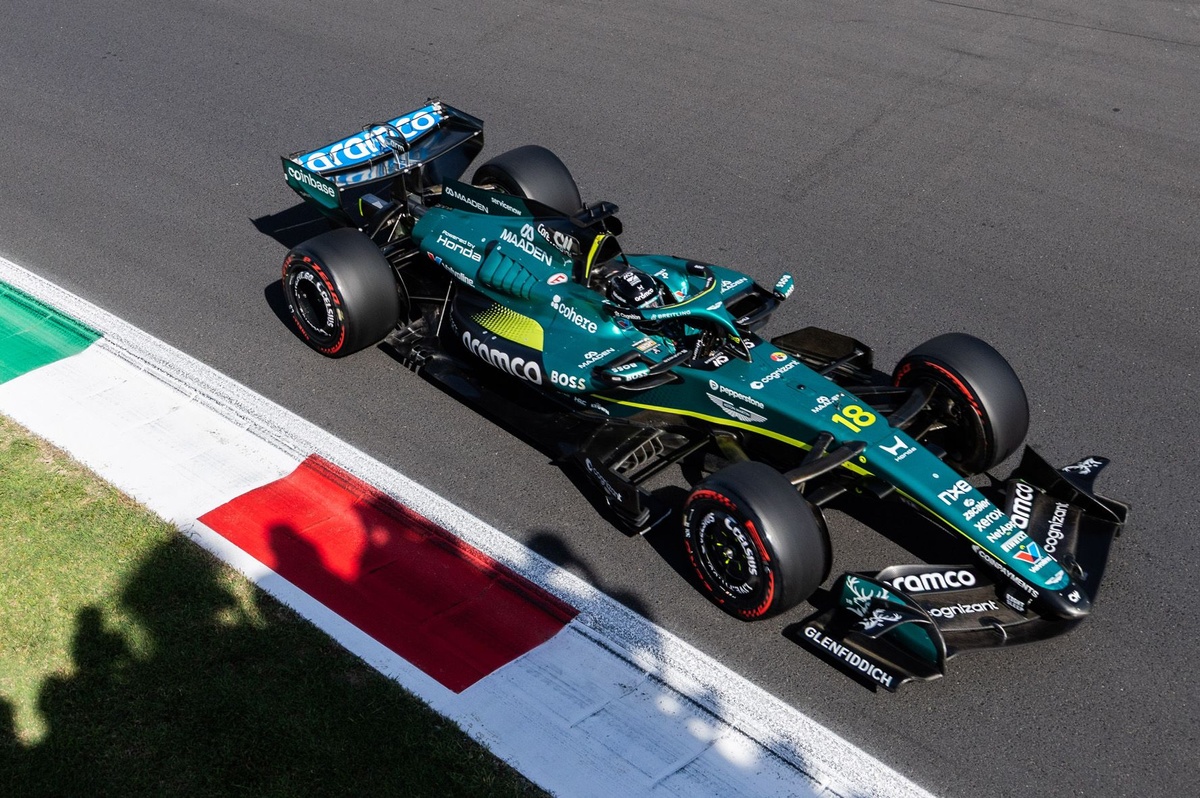
The leadership change at Honda Racing Corporation reflects the profound difficulty of the 2026 power unit regulations, which have upended the competitive order and exposed the limits of pre-season simulation. For Aston Martin, the works partnership with Honda was meant to be a cornerstone of their championship ambition, backed by Lawrence Stroll’s significant investment in a new Silverstone campus and the recruitment of Adrian Newey. Instead, the team languishes in the midfield, and Fernando Alonso’s twilight years are being spent developing an uncompetitive package.
The involvement of the FIA President in direct negotiations with a manufacturer’s commercial partners is highly unusual and underscores the governance challenge: how to maintain a level playing field while preventing a works entrant from becoming permanently uncompetitive. The willingness of rival manufacturers Mercedes and Red Bull Ford Powertrains to accommodate further ADUO adjustments suggests a collective recognition that a healthy Honda is essential for the sport’s technical diversity and the Aston Martin project’s viability. With 2027 rule tweaks already on the horizon, Honda’s decision to restructure now — rather than await the season’s end — signals a recognition that the current development trajectory is fundamentally misaligned.
Frequently Asked Questions
Why is Honda changing its F1 power unit leader mid-season?
Honda Racing Corporation describes the replacement of Tetsushi Kakuda with Yoichiro Fukao as a “planned transition” designed to accelerate development and transfer expertise to the next generation. However, the timing — effective October 1, 2026 — coincides with a disastrous start to the new regulations where Honda has qualified for extra development help (ADUO) due to performance and reliability deficits. The move aims to reset the technical direction ahead of further regulatory changes expected in 2027.
What is the ADUO system and how does it affect Honda?
The Additional Development Upgrade Option (ADUO) is a regulatory mechanism that grants manufacturers falling behind extra power unit development resources — such as additional dyno hours and component allocations — beyond the standard caps. Honda triggered ADUO in May 2026. Following the Spanish Grand Prix, discussions between FIA President Mohammed Ben Sulayem, Aston Martin’s Lawrence Stroll, and Fernando Alonso explored expanding these concessions further, with rivals Mercedes and Red Bull Ford Powertrains reportedly open to adjustments.
Who is Yoichiro Fukao and what does his background suggest?
Yoichiro Fukao previously served as Assistant LPL (Deputy Leader of the F1 Project) and Head of the Software Division at Honda Racing Corporation. His promotion from the software side highlights the increasing importance of energy management, deployment strategies, and control systems under the 2026 rules, which dramatically increase the electrical power contribution to over 50% of total output.