


- The XRP price lost around 50% in a few days. From a level of almost two euros it fell to a low of 1.08 euros.
- The plunge triggered a wave of panic selling that quickly reached the entire altcoin sector.
Market observers speak of a classic capitulation phase in which retail investors in particular reflexively withdraw liquidity from the market, while more nervous professionals assess the situation more soberly.

Parallel to the price decline, the overarching Fear & Greed Index fell to the rare value of nine points. Such extreme anxiety levels only occur in exceptionally stressful phases and are historically considered more of a contrarian indicator than a harbinger of a long-term downward trend.
The XRP-specific sentiment index also reached an annual low. The discrepancy between fundamental data and market sentiment is particularly pronounced in this phase.
Presumably unnoticed whale accumulation
While retail investors sell in panic, onchain data does not show a bad picture. Large XRP holdings are increasingly being withdrawn from centralized exchanges.

Such movements are seen as an indication that long-term investors are building up positions and available supply is decreasing. This divergence between price reaction and capital flows is a recurring pattern in early reversal phases and is closely watched by analysts.
Fundamental disputes and capital flight are not helpful
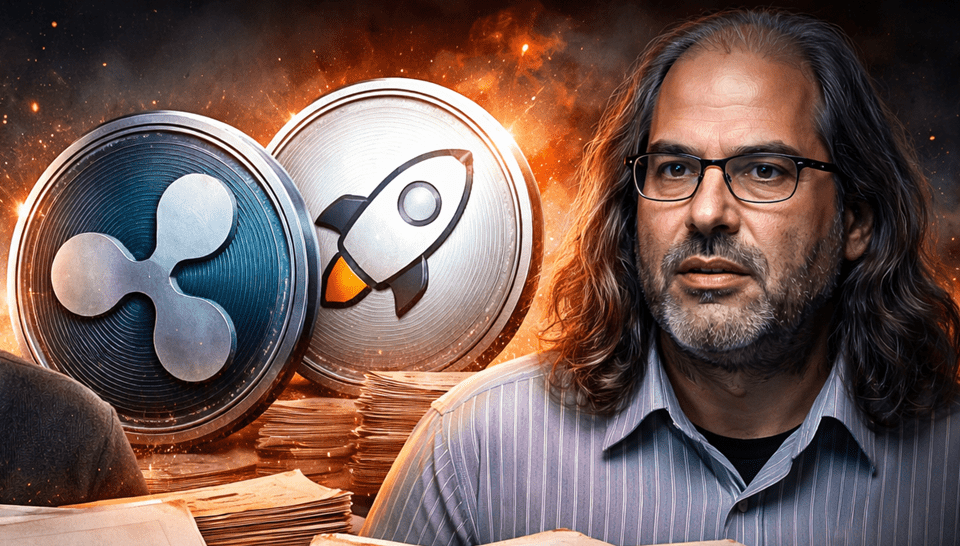
A heated debate between Ripple representatives and Bitcoiners is causing additional tension. Ripple supervisory board member and ex-CTO David Schwartz recently called Bitcoin a “technological dead end” and described XRP as the more efficient infrastructure for an increasingly AI-powered financial world.
At the same time, the global capital flight from overvalued tech stocks is exacerbating the situation. Investors are looking for infrastructure applications that can be used in the real economy as uncertainty in the crypto market increases.
This mix of technological rivalry and overreaction forms the Core of the current XRP price crisis and the uncertainty of the altcoin market.


No Comments