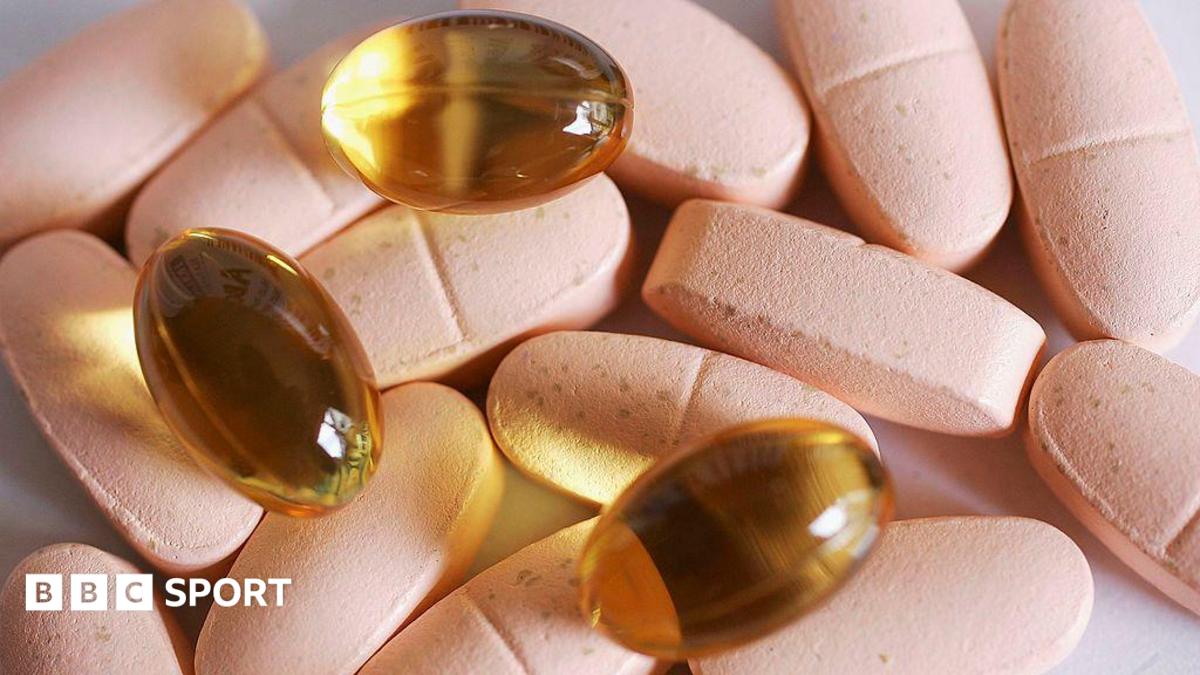
While nutrition experts generally advocate meeting dietary needs through whole foods first, practical limitations often make supplementation necessary. Creatine serves as a prime example: though naturally present in meat and fish, dietary intake falls far short of effective doses.
The Creatine Challenge: Food vs. Supplementation
“You would need the best part of a kilogram of raw chicken a day to get the amount of creatine you need,” says nutrition specialist Close. Consuming raw poultry carries significant food-poisoning risks from harmful bacteria, making whole-food sourcing impractical.
Creatine is a natural compound synthesized in the kidneys, liver, and pancreas. It provides rapid energy for muscles, proving critical for short-duration, high-intensity activities such as sprinting.
From Lab to Locker Room: The 1990s Breakthrough
Creatine’s rise as a mainstream supplement began in the 1990s. After two decades of research, two scientists shared findings with Steve Jennings, whose Maxim sports nutrition company supplied the British Olympic team.
During the 1992 Barcelona Games, investigative reporter Doug Gillon uncovered a “secret trial” involving British athletes and a box of Ergomax C150 effervescent creatine tablets. He wrote that if the scientists’ claims—that creatine could improve explosive athletic performance by 1–3%—were true, then “sport may never be the same again”.
History proved Gillon prescient. By the 1996 Atlanta Olympics, an estimated 80% of athletes were using creatine. Since then, research has expanded to suggest potential cognitive benefits alongside physical ones.
According to the Journal of the International Society of Sports Nutrition, the 1990s creatine breakthrough “launched a new era in sports nutrition” and “sparked exploration into other supplements”.
Market Growth and Expert Perspective
The global dietary supplements market was valued at $209.5 billion (£154 billion) in 2025 and is projected to reach $431.7 billion (£317.4 billion) by 2033, per Grand View Research.
Close, who oversaw nutrition for the 2025 British and Irish Lions rugby tour, frames supplements as the “final piece of the jigsaw” rather than a foundation.
“What we’re talking about is small margins of benefit, where actually these athletes who focus on the food, I think what you often find is that they’ve got the big-ticket items right,” he says.
“So they’re seeing great performance benefits because their overall diet is immaculate.”
“They might be missing out on the one per-centers, but they’ve really nailed the 99 per-centers. And they often do better than those who chase the one per-centers but have not given enough attention to the 99 per-centers.”
Athlete Endorsement: Supplements Come Second
Australian cyclist Nicole Frain echoes this hierarchy.
“I’m a pretty big believer that they are called sport supplements. They are there to supplement the things you already do right.”
“I don’t think supplements are the answer to fix my problems.”
“You need to be eating a balanced diet, training well, sleeping right, recovering well, hydrating – all of those things – before we add in all of the extras.”