
Vitalik Buterin: Point-to-point weakness in the Ethereum network is a thing of the past

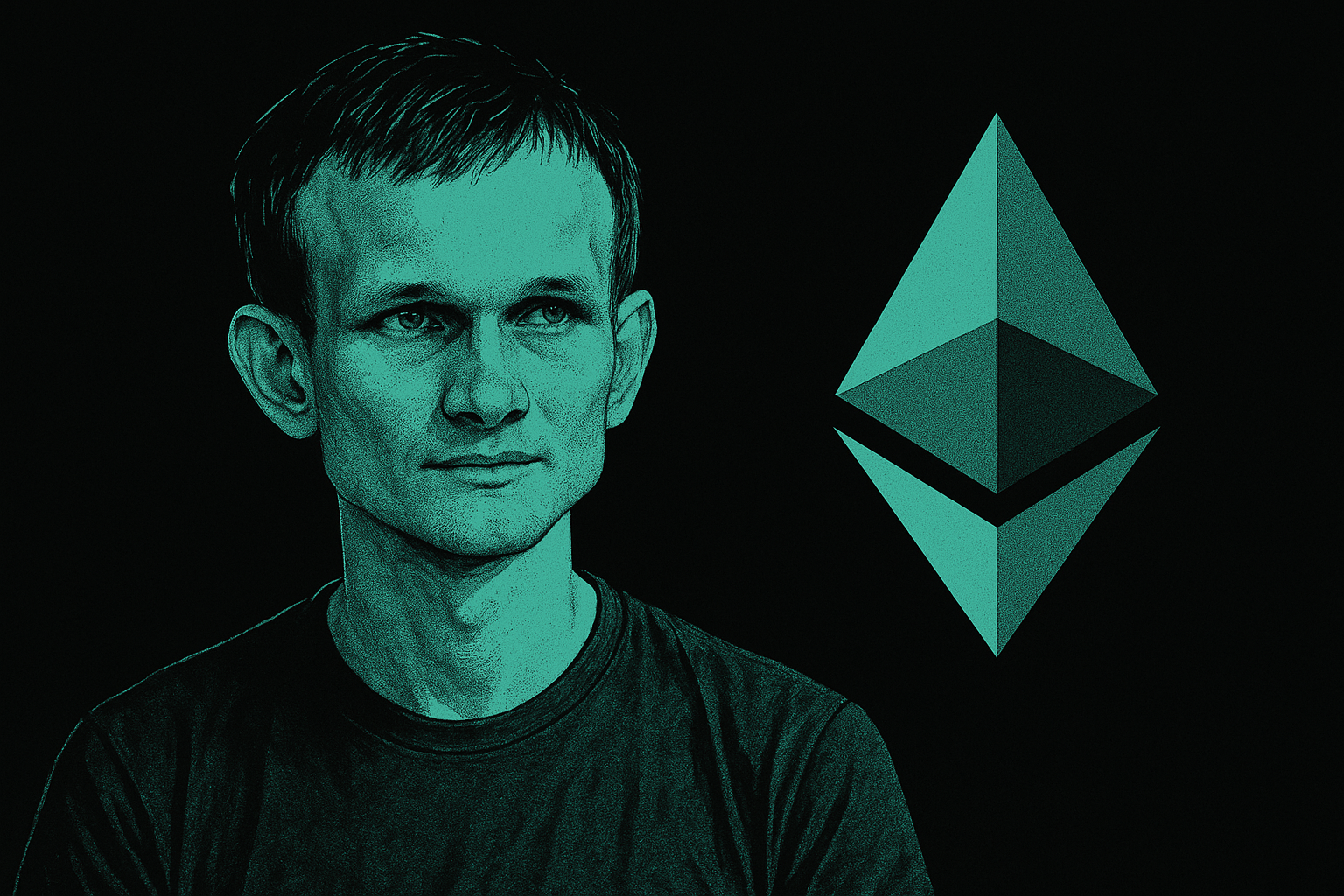
- Vitalik Buterin appreciated the result of PeerDAS’s resolution of the network’s point-to-point problems and coordinated governance changes.
- This complements the network improvements from the Fusaka and Pectra upgrades, which had already improved network performance.
The Ethereum Foundation had previously focused the majority of its R&D efforts on the core elements of blockchain: cryptoeconomics, consensus protocols and block layer mechanisms.

Ethereum inventor Buterin said this in one X-Post an:
“For years I have been complaining internally at the foundation that we do not have enough expertise about P2P: we think a lot about crypto-economics, BFT consensus and blocks, but we take the P2P network layer for granted.”
Limits of the Ethereum network
Ethereum’s networking stack was not developed with the same attention as the consensus layer. As a result, clients such as Prysm, Lighthouse, Teku and Nimbus sometimes experience slow propagation.

The P2P layer lacked deep defensive engineering, formal threat modeling, and robust specification coverage. This left Ethereum more vulnerable to Eclipse attacks, which isolate a node, and even Sybil infiltration, where malicious peers dominate local peer lists.
Ethereum delegated large parts of the network to libp2p, which is largely maintained outside the Ethereum Foundation. This caused errors to persist longer than they should have. Additionally, the blockchain faced a single point of failure risk when libp2p development stalled while bandwidth and CPU utilization were higher than optimal for years.
Vitalik continued in his post:
“I think that’s no longer true, and PeerDAS shows that. Raulvk and others at the Foundation have done great work to get PeerDAS running so smoothly and to lay out a roadmap that simultaneously increases the speed of distribution, resiliency and data protection at the network level. I look forward to continuing to advance this work.”
The Fusaka network upgrade was recently implemented. One of its most important functions is the peer data availability sampling “PeerDAS” via EIP-7594. This allows validators to check parts of large blocks of data instead of having to download everything. With Fusaka, Ethereum’s block gas limit has also been increased from around 45 million to 60 million, which could result in an estimated 40-60% reduction in Layer 2 fees.
The proportion of ETH tokens held on central exchanges is limited to only 8,7 % fell to its lowest level since the introduction of Ethereum. At the same time, the price has recovered, with ETH rising by 3.115 $ fluctuates after rising after an increase of 10 % briefly in the last week 3.200 $ had risen.

No Comments