
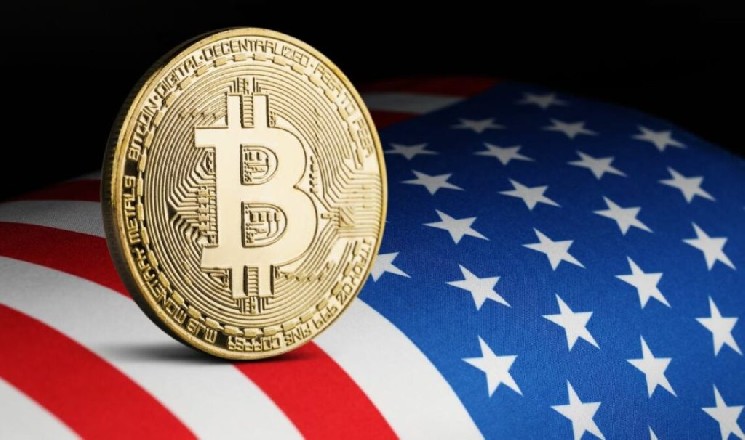
Key Highlights
- US national debt has surpassed $40 trillion, prompting investors to seek hedges against potential dollar depreciation including gold, the Swiss franc, and Bitcoin.
- Bitcoin-backed lending products are expanding in the US, allowing BTC holders to access liquidity without selling, though these carry liquidation risks if collateral values decline.
- Neoclassic Capital co-founder Michael Bucella emphasizes Bitcoin retains its risk-asset status and remains sensitive to macroeconomic conditions, unlike traditional safe havens such as gold.
Mounting US Debt Drives Search for Dollar Alternatives
The United States national debt crossing the $40 trillion threshold has intensified market scrutiny of public finances and the long-term trajectory of the dollar, pushing a segment of investors toward alternative store-of-value assets. In a recent interview, Michael Bucella, co-founder of Neoclassic Capital, outlined how the rapid accumulation of sovereign debt is reshaping portfolio allocation strategies. According to Bucella, the accelerating pace of borrowing is causing some investors to diversify away from dollar-denominated holdings, with gold, the Swiss franc, and Bitcoin emerging as preferred hedges against currency depreciation risk.
Bitcoin-Backed Lending Creates New Liquidity Pathways
Beyond direct allocation, Bucella highlighted the growing adoption of Bitcoin-backed loan products in the United States as a structural development for the asset class. These mechanisms allow Bitcoin holders to pledge their BTC as collateral to obtain cash loans, preserving their long-term positions while meeting immediate liquidity needs. The co-founder noted this innovation is creating new financing opportunities for investors who would otherwise face taxable events or opportunity costs from selling. However, he cautioned that such products carry inherent risks, including the potential for margin calls or forced liquidation if the collateral value declines sharply during market downturns.
Bitcoin’s Risk Profile Distinguishes It From Traditional Havens
Despite its increasing institutional adoption, Bucella was explicit about Bitcoin’s fundamental nature. According to him, unlike traditional safe-haven assets such as gold, BTC remains sensitive to global economic developments and broader macroeconomic conditions. He stated that Bitcoin still retains its risky asset status, meaning its price behavior correlates more closely with risk-on sentiment and liquidity cycles than with the defensive characteristics typically associated with sovereign debt crises or currency debasement scenarios. This distinction is critical for investors evaluating Bitcoin’s role in a diversified hedge strategy.
Why This Matters
The $40 trillion debt milestone represents more than a psychological threshold; it reflects a structural fiscal trajectory that has reignited debate about dollar dominance, inflation expectations, and the architecture of global reserves. As sovereign debt service costs rise, the search for non-sovereign, non-correlated assets accelerates. Bitcoin’s dual narrative—as both a speculative risk asset and a potential monetary hedge—places it at the center of this transition. The proliferation of Bitcoin-backed credit markets further integrates the asset into traditional financial plumbing, potentially deepening liquidity while introducing new systemic linkages. Institutional demand, regulatory clarity, and macroeconomic volatility will collectively shape whether Bitcoin evolves into a reliable diversifier or remains a high-beta proxy for liquidity conditions.

Frequently Asked Questions
- What assets are investors considering as hedges against dollar depreciation amid rising US debt?
- According to Michael Bucella, investors are diversifying into gold, the Swiss franc, and Bitcoin as preferred alternatives to dollar-denominated holdings.
- How do Bitcoin-backed loans work and what are the risks?
- Bitcoin-backed lending allows BTC holders to use their holdings as collateral for cash loans without selling. Risks include margin calls or forced liquidation if Bitcoin’s price falls significantly, requiring additional collateral or resulting in asset loss.
- Is Bitcoin considered a safe-haven asset like gold?
- No. Bucella emphasized that Bitcoin retains its risky asset status and remains sensitive to macroeconomic conditions and global economic developments, unlike traditional safe havens such as gold.


