

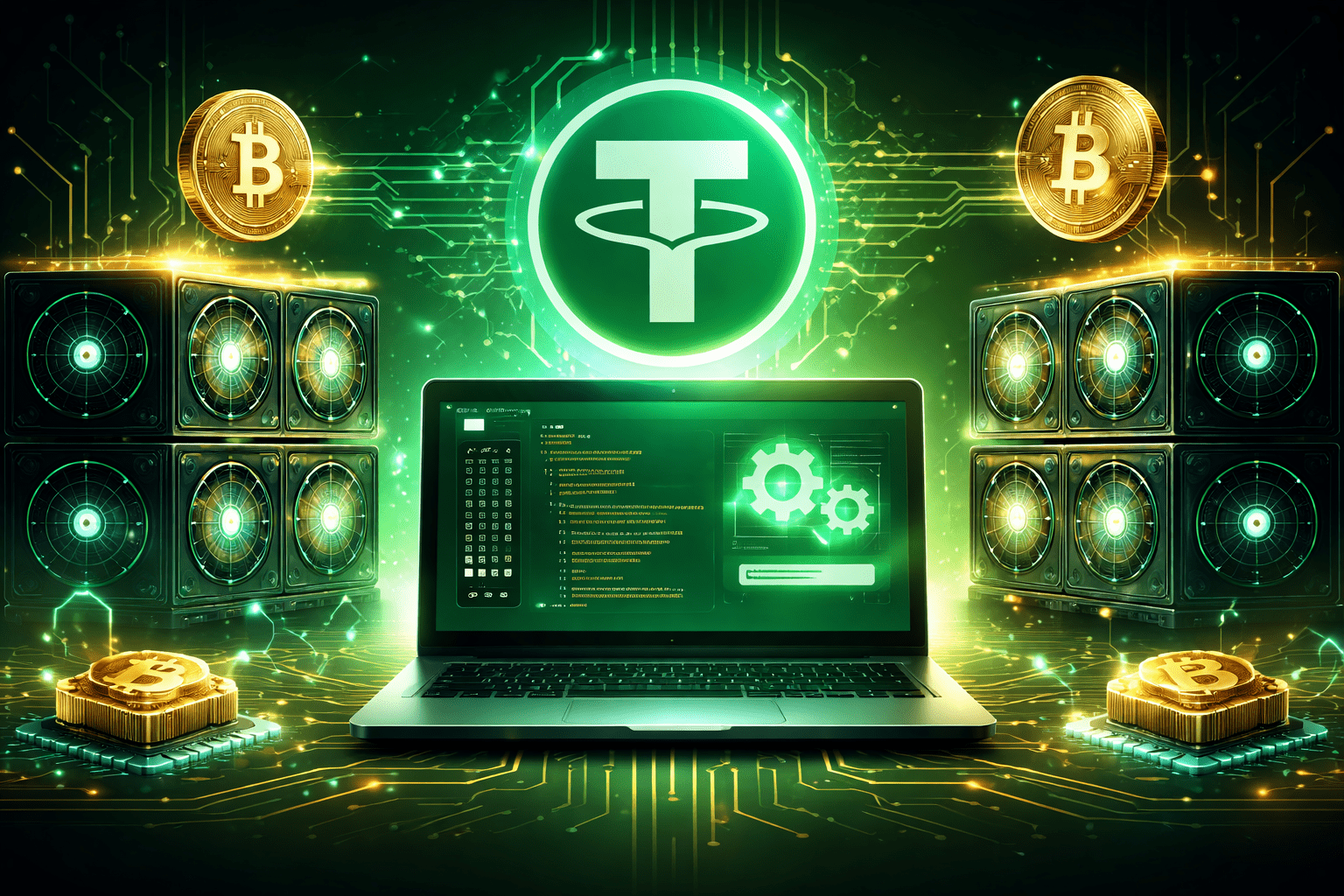
- Tether has introduced an open source Bitcoin mining operating system that centrally manages all relevant mining processes. It includes hardware control, device management, power optimization and location monitoring.
- The open source model is intended to reduce the dependence on proprietary applications and increase the transparency of mining. This means that elements of decentralization have now also arrived in the mining sector.
The mining OS has a modular structure and can be used by both home miners and industrial mining farms. The software records hashrate, temperature, energy consumption and load of the rig in real time and controls the connected devices.
Tether CEO Paolo Ardoino emphasizes that the platform was deliberately designed to function without central dependencies. Operators should retain full control over their infrastructure, whether they manage a single device or thousands of ASICs.
Standardized development environment
The mining OS comes with a mining SDKwhich offers developers a standardized development environment as a basis for their own tools and dashboards. The package includes APIs, UI components and integration modules designed to accelerate the development of new applications.
Tether relies on community development: The SDK is intended to grow together with external developers and, in the long term, become an open standard for mining software. The aim is to bundle innovations and reduce market fragmentation.

Impulses for small, energy self-sufficient miners

Industry observers see the open source strategy as particularly beneficial for smaller operators who previously had to rely on expensive, closed management solutions. Miners with their own energy supply – for example from solar, wind or hydropower – particularly benefit from this, as the system allows flexible adjustments.
The OS can be adapted to individual requirements using plugins and modular extensions, without license costs or vendor lock-in. With this step, Tether not only strengthens its role in the mining sector, but also sends a signal for more openness and competition in a market that is increasingly industrial.


No Comments