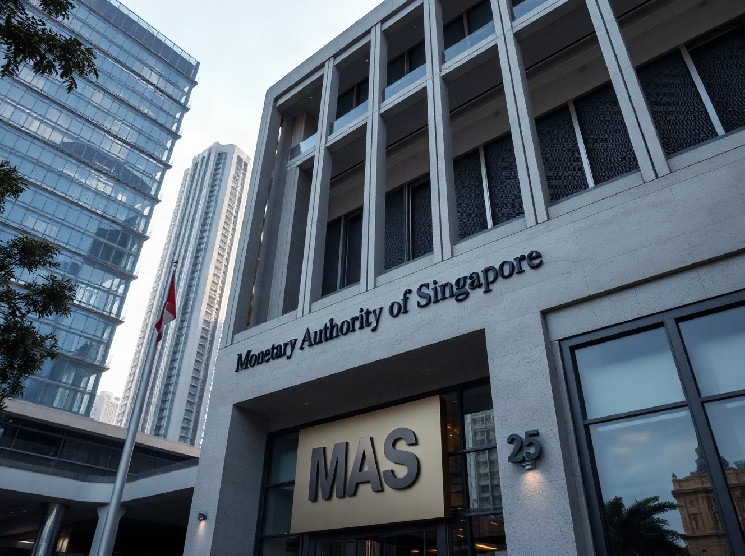
The Monetary Authority of Singapore (MAS) has launched a public consultation on proposed amendments to the Payment Services Act (PSA) that would create a dedicated regulatory framework for stablecoins in Singapore. Reported by ChainCatcher, the proposal marks a significant step in the city-state’s efforts to align its digital asset rules with evolving global standards.
Singapore Proposes Dedicated Stablecoin Rules
Singapore’s Payment Services Act, enacted in 2019, currently regulates payment services, including digital payment token (DPT) services. However, the rapid growth of stablecoins—cryptocurrencies designed to maintain a stable value by being pegged to a reserve asset—has exposed gaps in the existing regulatory framework.
The proposed amendments would address those gaps by establishing clearer requirements for stablecoin issuers and service providers operating in Singapore. The MAS is also seeking feedback on additional measures reflecting developments in the stablecoin sector since 2023.
Potential requirements may cover reserve management, redemption rights, and disclosure obligations. The consultation comes as regulators worldwide assess how stablecoins can be integrated into existing financial systems without undermining monetary stability or consumer protection.
Potential Impact on Stablecoin Issuers and Investors
If implemented, the proposed framework would likely require stablecoin issuers in Singapore to obtain a license under the PSA and meet stringent capital and governance requirements. These rules could strengthen the credibility of stablecoins as payment instruments, although they may also increase compliance costs for businesses.
For investors and users, clearer regulation could provide greater confidence in the stability and reliability of stablecoins, potentially supporting wider adoption. The consultation also reflects Singapore’s intention to remain a leading global fintech hub while maintaining a balanced approach to innovation and risk.
The MAS has consistently emphasized responsible innovation, and the proposed stablecoin framework is consistent with that approach.
Why Stablecoin Regulation Matters
Stablecoins have become a central part of the digital asset ecosystem, supporting cryptocurrency trading, payments, and decentralized finance (DeFi). At the same time, the collapse of certain algorithmic stablecoins in recent years has highlighted the risks of inadequate oversight.
Singapore’s proposed approach could influence how other jurisdictions develop stablecoin regulations and may contribute to broader global regulatory standards. For market participants, the outcome of the consultation will help shape the future operating environment for stablecoin-related activities in one of Asia’s leading financial centers.
What the MAS Consultation Could Mean for Singapore’s Crypto Sector
The MAS public consultation represents a proactive move toward a more comprehensive regulatory framework for digital assets in Singapore. By seeking feedback from stakeholders, the central bank aims to develop rules that are effective while remaining adaptable to changes in the stablecoin industry.
The resulting framework is expected to support safer and more efficient stablecoin use while reinforcing Singapore’s position as a forward-looking financial regulator.
Frequently Asked Questions
What is Singapore’s Payment Services Act?
The Payment Services Act, enacted in 2019, regulates payment services and digital payment token (DPT) services in Singapore. It provides a flexible regulatory framework for payment systems and service providers.
How could the proposed amendments affect stablecoin issuers?
If enacted, the amendments would likely require stablecoin issuers to obtain a license from the MAS, comply with reserve and governance requirements, and meet disclosure standards. This would place stablecoin operations under direct regulatory oversight.
Why is the MAS consulting the public?
Public consultation enables industry participants, legal experts, and members of the public to provide feedback on the proposed rules. The process is intended to help create a balanced and practical regulatory framework aligned with international best practices and supportive of a robust digital asset ecosystem.