Key Highlights
- ECB President Christine Lagarde personally lobbied Greek Prime Minister Kyriakos Mitsotakis to block Binance’s MiCA license application, overriding Greece’s own finance minister and independent regulator.
- Binance’s application had cleared all technical reviews and the mandatory 40-day assessment period without objections before political intervention halted the process in mid-June.
- Binance has withdrawn its Greek application and is now pursuing a MiCA license through France’s AMF after rejections from Ireland and Latvia, while competitors Coinbase and Kraken have already secured EU authorizations.
ECB President’s Unprecedented Intervention in Binance Licensing
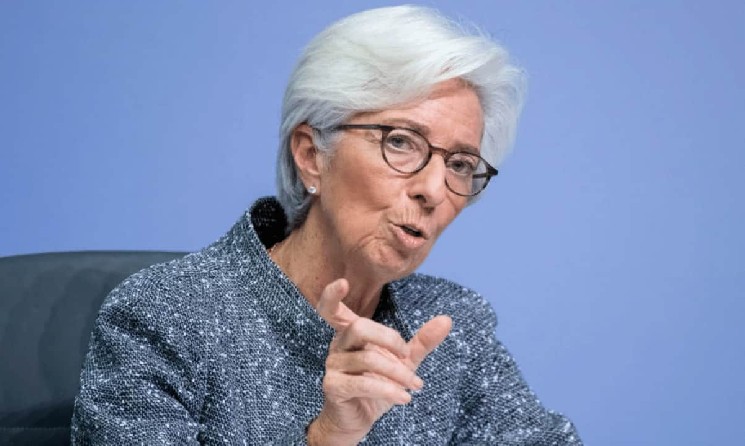
European Central Bank President Christine Lagarde directly intervened to derail Binance’s bid for a Markets in Crypto-Assets (MiCA) license through Greece, according to a Wall Street Journal report citing people familiar with the discussions. The extraordinary move saw Lagarde personally press Greek Prime Minister Kyriakos Mitsotakis to block the application during a May meeting, despite the Hellenic Capital Market Commission (HCMC) having all but finalized its approval.
A Regulatory Process Overridden at the Highest Level
Binance had submitted its application to Greece’s HCMC for a license that, once granted by any single EU member state, would permit operation across the entire 27-nation bloc. By early June, the exchange had successfully navigated the technical review. The mandatory 40-day assessment window closed without objections, the HCMC’s anti-money laundering officer had issued a favorable sign-off, and notifications to other member states were reportedly being prepared. Then, between June 7 and June 15, the trajectory shifted abruptly. An HCMC official subsequently informed Binance that Lagarde opposed the license, and the Journal reported she had signaled this position directly to Mitsotakis, a stance that superseded the views of Greece’s own finance minister. The report suggested the Greek government’s willingness to comply may have been influenced by domestic election timing as much as the merits of Binance’s case.
Stated Concerns: US Settlement and Digital Euro Competition
Lagarde’s reported reasoning centered on two pillars: Binance’s 2023 guilty plea in the United States to money laundering and sanctions violations, and a strategic concern that granting the exchange a European gateway would accelerate adoption of dollar-denominated stablecoins at a time when the ECB is advancing its own digital euro project. The intervention has drawn sharp criticism from legal observers. One legal expert described the episode as “political interference” in a licensing decision that legally rests with an independent national regulator, emphasizing that the ECB holds no formal authority over MiCA approvals whatsoever.
Binance Retreats to France After Multiple EU Rejections
Reuters first surfaced the risk of a Greek rejection in mid-June, prompting Binance to push back forcefully. The exchange insisted the HCMC’s review had found its application compliant and highlighted a compliance team that has grown to roughly 1,500 people since its US settlement. That resistance proved insufficient. Binance later confirmed it had decided to halt the Greek application process and would seek authorization from other member states. According to contemporaneous reports, regulators in Ireland and Latvia had already declined to engage, citing the exchange’s past penalties and complex corporate structure. With Coinbase having selected Luxembourg as its MiCA hub and Kraken already holding EU approval, Binance is now concentrating its efforts on France, where it holds a smaller registration and is in active discussions with the Autorité des Marchés Financiers (AMF) for a full MiCA license covering all member states.
Why This Matters
The episode raises fundamental questions about the independence of national competent authorities under the MiCA framework and the extent to which political leadership—and supranational figures without formal statutory power—can influence licensing outcomes. For the crypto industry, it signals that past enforcement actions, particularly the US Department of Justice settlement, continue to cast a long shadow over European market access even after technical compliance requirements are met. For the ECB, the intervention underscores the tension between fostering a regulated digital asset ecosystem and protecting the monetary sovereignty objectives tied to the digital euro. The coming months will test whether France’s AMF applies a strictly legal standard or whether similar political considerations shape its decision on Binance’s remaining pathway to a pan-European license.
Frequently Asked Questions
Did Christine Lagarde have legal authority to block Binance’s MiCA license in Greece?
No. The ECB has no formal authority over MiCA licensing decisions, which legally belong to independent national competent authorities—in this case, Greece’s Hellenic Capital Market Commission. Lagarde’s intervention was political, not statutory.
Why did Binance withdraw its Greek application after it had technically passed review?
After the HCMC had completed its technical assessment and the 40-day objection period expired without issue, an HCMC official informed Binance that Lagarde opposed the license. Facing explicit political opposition at the prime ministerial level, Binance chose to withdraw and pursue authorization elsewhere.
Where does Binance stand now for a MiCA license in Europe?
Binance has been rejected or turned away by Greece, Ireland, and Latvia. The exchange is now focusing on France, where it holds a limited registration and is negotiating with the AMF for a full MiCA license that would cover all 27 EU member states.