
One week of DAC8 in the EU: Reactions to the new tax reporting requirement

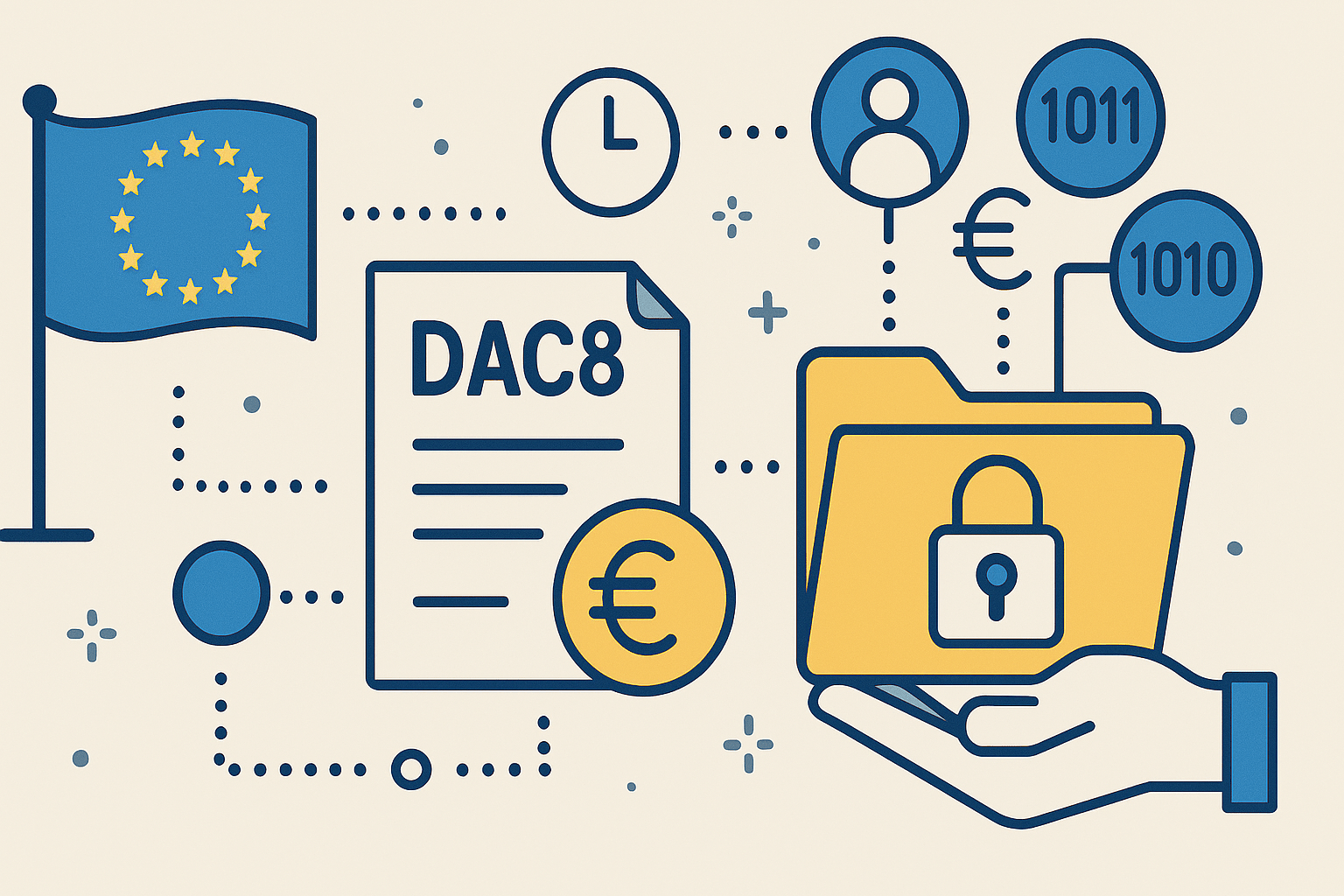
- A week after it came into force, DAC8 is causing a heated data protection debate, especially in the crypto community.
- Large crypto service providers and tax authorities see the new rules as a necessary step towards tax transparency.
Since the DAC8 Directive came into force, there has been noticeable unrest in the European crypto industry. Private users and smaller providers in particular express concerns about the expanded reporting requirements. The automatic and mandatory recording of tax IDs and detailed transaction data is often perceived as an invasion of financial privacy.

Forums and social media are dominated by discussions about possible risks from data leaks and the question of whether the new requirements could lead to increased migration to less regulated markets. The uncertainty is further increased by the fact that many technical and organizational details of the implementation have not yet been fully clarified.

Regulators and large providers focus on stability
While criticism from the community remains loud, regulatory authorities and larger crypto providers appear much more relaxed. For them, the harmonization of European tax transparency is a priority. The directive is seen as a necessary step to curb tax evasion and create a level playing field.

Large service providers who had already set up extensive KYC and reporting structures see DAC8 as a confirmation of their previous practice rather than a burden. Some of them even use the opportunity to position themselves as particularly compliant and to increase trust among institutional customers.
Uncertainty among other affected people
Between these two poles there is a broad group of private investors and smaller companies who are primarily confronted with practical questions.
Many people do not yet know exactly what data will be reported in the future, to what extent, and what transition periods will apply. The directive is formally in force, but operational implementation will take months. This phase of uncertainty leads to noticeable reluctance in the market.
Many customers are reducing their activities, others are waiting until they have their first experience with the new rules. The mood is one of caution, but also of hope that a clear picture will emerge over time.

No Comments