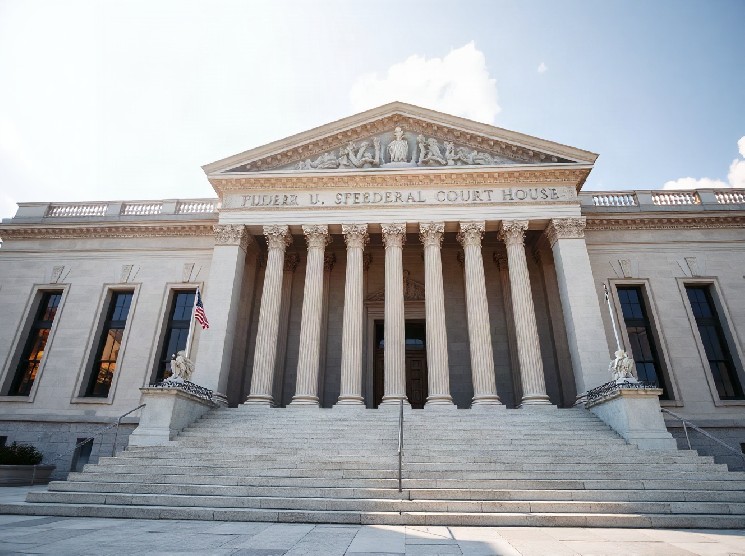
Ninth Circuit Allows Nevada to Enforce Gambling Rules Against Kalshi
The U.S. Court of Appeals for the Ninth Circuit has ruled against prediction market platform Kalshi in a dispute over whether state or federal authorities have the power to regulate sports event contracts.
In a unanimous 3-0 decision, the court allowed Nevada gambling regulators to enforce state rules against Kalshi. The ruling reverses a lower court’s preliminary injunction, which had temporarily blocked Nevada from taking enforcement action.
Why the Ninth Circuit Ruled Against Kalshi
Kalshi operates a federally regulated exchange for event contracts. The company argued that the Commodity Exchange Act (CEA) preempts Nevada’s gambling regulations and sought to prevent the state from treating its sports event contracts as unlawful gambling.
The Ninth Circuit concluded that Kalshi had not shown that the CEA explicitly preempts state gambling laws, which the court identified as a key requirement for its preemption claim.
The decision clarifies the relationship between federal commodities regulation and state gambling oversight. Although the Commodity Futures Trading Commission (CFTC) supervises Kalshi’s exchange, states generally retain the authority to enforce their own gambling laws unless Congress has clearly indicated otherwise.
What the Ruling Means for Kalshi
The ruling does not determine whether Kalshi’s sports contracts are ultimately legal in Nevada. However, it removes the legal barrier that had prevented state regulators from pursuing enforcement action.
Kalshi may seek further appeals, but Nevada can now proceed with its case. The company has not been shut down nationwide, and the decision does not resolve the final merits of the state’s claims.
Potential Impact on Prediction Markets
The case highlights the growing tension between innovative financial products and traditional state gambling laws. Prediction markets allow users to speculate on the outcomes of events, including elections and sports games. Their rising popularity has also exposed them to a patchwork of state regulations.
The Ninth Circuit’s decision could influence how other states regulate similar platforms. Businesses operating in the prediction market sector may face increased pressure to comply with state gambling laws even when they operate under federal oversight.
Legal experts have indicated that the ruling could encourage additional states to assert jurisdiction over prediction market operators. That could contribute to a more fragmented regulatory environment across the United States.
Investors and users should be aware that the legal status of prediction markets can vary by state. The decision creates particular uncertainty in jurisdictions with strict gambling laws, even though it does not prohibit Kalshi from operating nationwide.
Frequently Asked Questions
What did the Ninth Circuit decide in the Kalshi case?
The court ruled that Kalshi failed to show that the Commodity Exchange Act preempts Nevada’s gambling rules governing sports event contracts. As a result, Nevada can enforce its regulations while the case proceeds.
Does the ruling ban Kalshi from operating in Nevada?
No. The decision does not ban Kalshi outright. It allows Nevada regulators to pursue enforcement action, while the final outcome will depend on further proceedings in the lower courts.
How could the decision affect other prediction markets?
The ruling may encourage other states to assert jurisdiction over similar platforms, potentially resulting in greater state-level regulation of prediction markets.
Source: cryptonews.net