
Netherlands considers 36% tax on crypto book profits – Holland in distress?

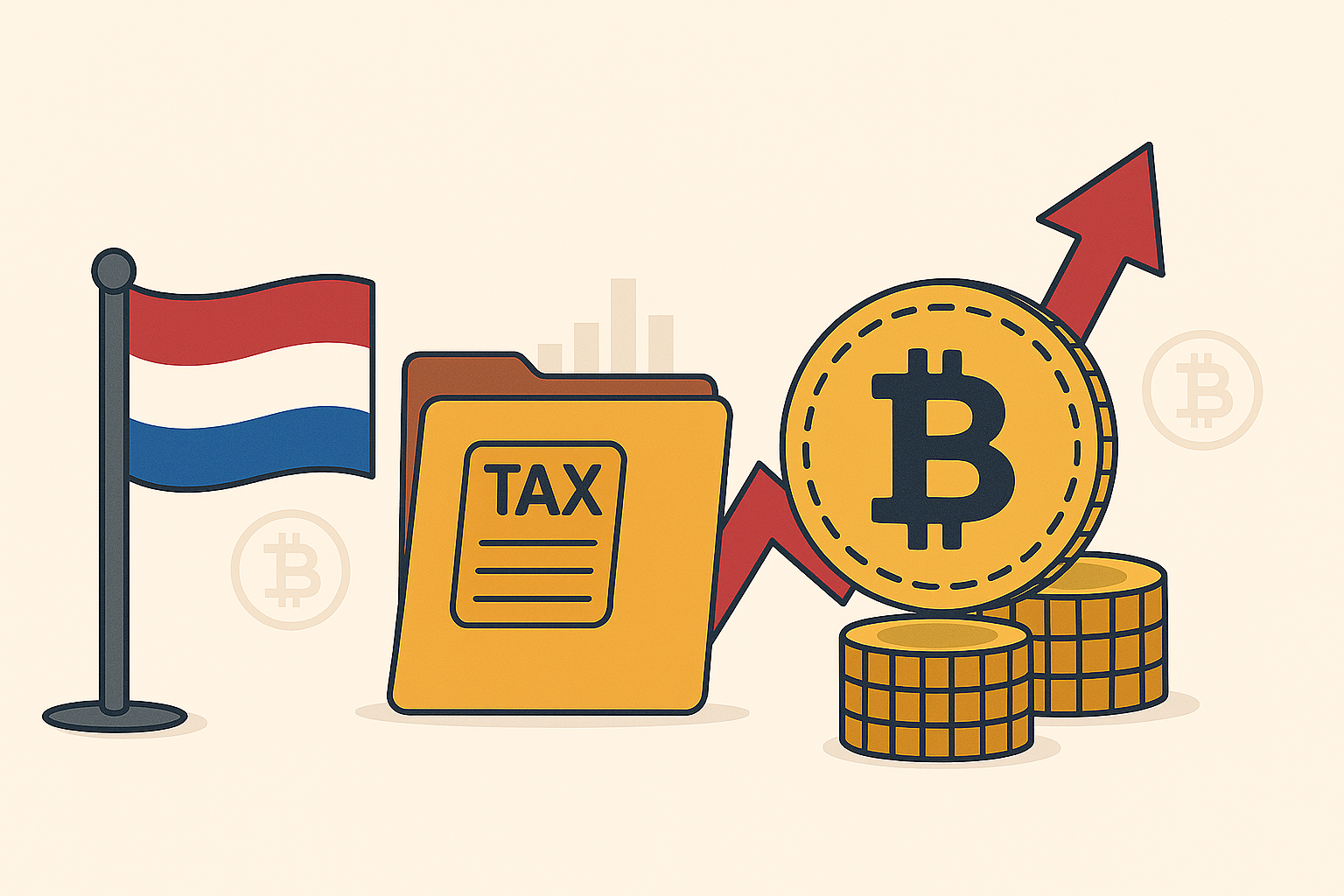
- The Netherlands could be facing the most radical tax decision that an EU state has implemented in decades.
- From 2028, a 36 percent tax could be imposed on unrealized gains from liquid assets.
Cryptocurrencies, stocks and bonds are affected. This would de facto abolish the previous system of fictitious returns, which the Supreme Court ruled unconstitutional in 2021.

The new law According to the government, it is intended to achieve fairer taxation of real capital gains and modernize the tax system.
Taxation of imaginary profits
Book profits that have not yet been realized would be taxed. Critics warn of significant liquidity problems, as taxpayers will in future have to pay taxes on profits that only exist on paper.
Volatile assets like Bitcoin could experience forced sales if investors cannot cover the tax burden with liquid assets.

In addition, the law does not take inflation into account, which leads to a de facto taxation of assets. Industry associations and economists speak of a “systemic risk” for long-term private wealth creation.

Long-term investors are alarmed
The Dutch crypto community reacts with incomprehension. Because digital assets are subject to significant price fluctuations, investors may find themselves in situations where they would have to pay taxes on profits that then evaporate.
Experts point to historical Bitcoin corrections of 30 to 50 percent within a few weeks. The planned annual revaluation as of the reporting date further exacerbates this risk.
For long-term investors who do not sell their crypto assets, this creates a structural liquidity problem that does not exist in this form in any other EU country.
The final decision is pending
The Senate of Parliament will now decide whether the law actually comes into force. Although observers expect its approval, several political parties have already signaled that they want to return to the classic capital gains model, in which profits are only taxed when the asset generating the tax is sold.
However, this would require new parliamentary majorities.
If the reform were to be implemented unchanged, the Netherlands would probably become the most unattractive location for private capital investments in Europe.
Tax consultants are already reporting growing demand for advice on emigration and shifting assets abroad.
If there is actually a capital flight, the state could end up collecting less taxes than with the current tax liability regime.





No Comments