

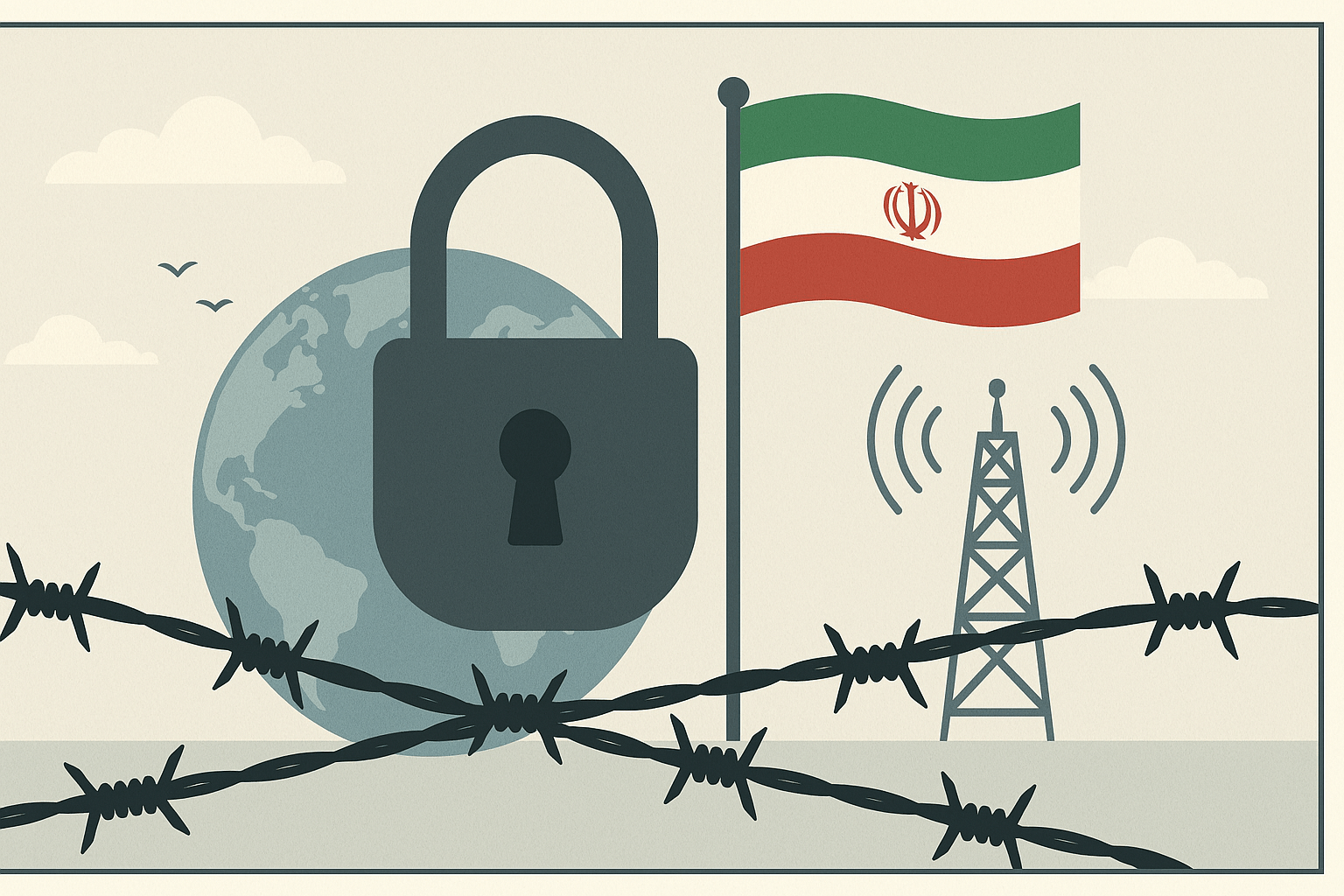
- On January 6th the time had come in Iran: you would have had to pay around 1 million rials for one dollar. The average income was about 25 million rials or 400 euros – before.
- That morning there was nothing left that Iranian rials could buy. The traders in the country’s bazaars simply stopped accepting him.
SSince then, the Iranians no longer have a functioning currency. They already had it before Traders in the Grand Bazaar in Tehran increased the prices of their goods several times a day, and there were protests from the population.

Then the authorities blocked internet communication for the majority of Iranians – but not for everyone, because that is not technically possible.
Crypto use despite internet closures
The Internet is blocked, but not completely switched off. Netblocks measurements show that the number of connections to the outside world has fallen to around one percent of normal levels.
This means an extreme restriction, but small amounts of data often get through, because blockchain transactions do not consist of PDF pages, but of small amounts of data. In addition, many regions still have access to the network several times a day.
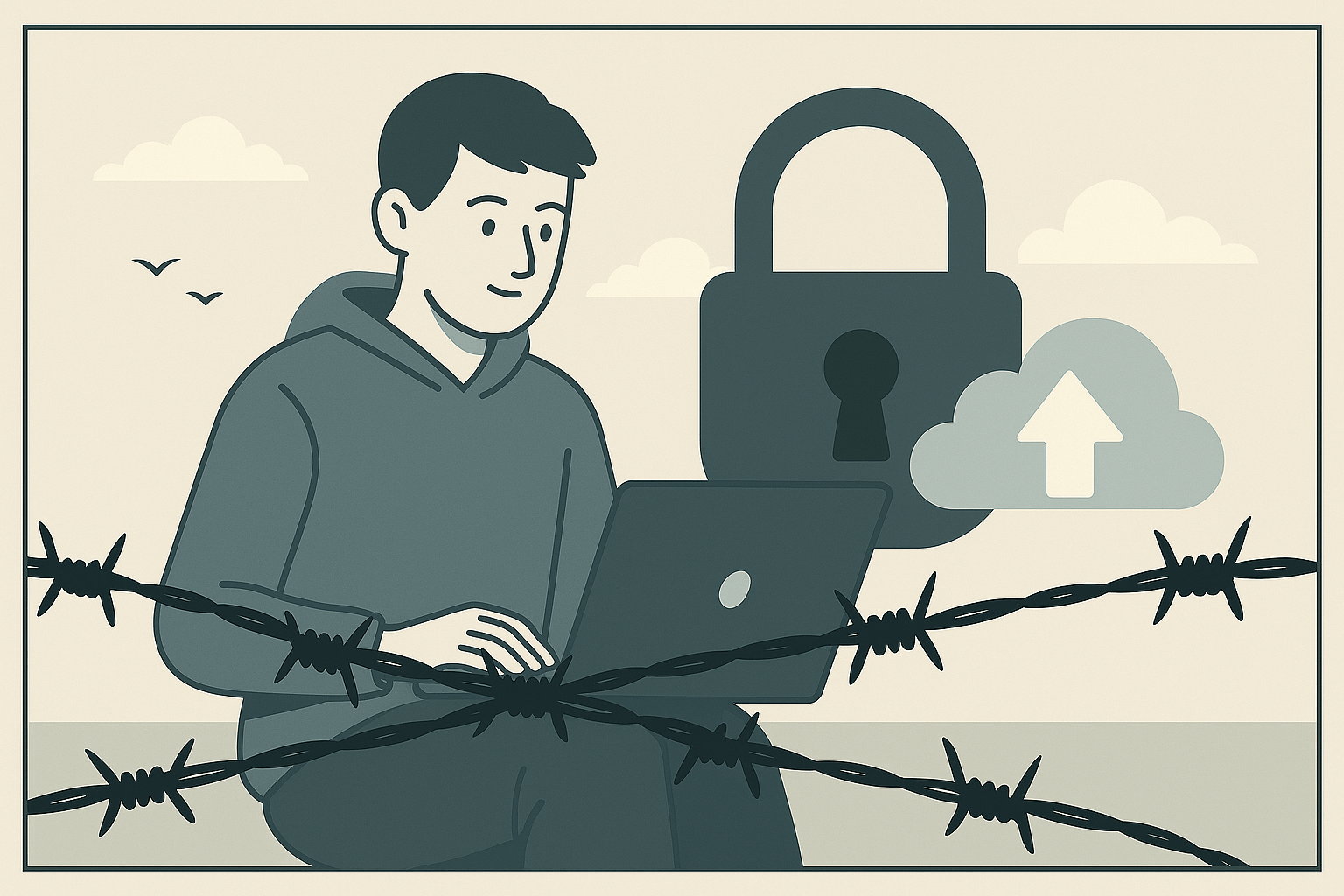
And finally, there are four other ways to get online:
- Satellite Internet
Several reports mention that Iranians were able to log in via Starlink. However, only people with high incomes have this advantage, and the extent to which these connections are made available to others cannot be determined.
- Mesh networks and local peer-to-peer tools
Mesh tools are used in Iran to sign and forward transactions despite the blackout.
Smartphones connect directly to each other and the data travels from device to device. No internet is required and the bandwidth is sufficient to send transactions.
As soon as the corresponding signals hit a functioning node, they are fed in and the transaction is forwarded. The procedure is simple and has been tried and tested in other crisis areas. - Offline signature and time-delayed transmission
Crypto transactions can be prepared offline. A wallet creates the transaction and the sender saves it as a QR code or file.
As soon as an access point – VPN, satellite, mesh, hotel Wi-Fi, or a foreign network in a border region – is available, the transaction is executed.
Many wallets have this procedure integrated as a standard function. - border regions
As a large country, Iran has borders with Türkiye, Iraq, Armenia, Azerbaijan, Pakistan and Afghanistan. There is a corresponding foreign mobile phone signal everywhere that can be used from Iran – common practice for years.
At the moment the situation is still too confusing to make a realistic prediction as to when the situation will normalize.




No Comments