
ING Bank offers Bitcoin and staking-ready Solana ETPs for retail customers

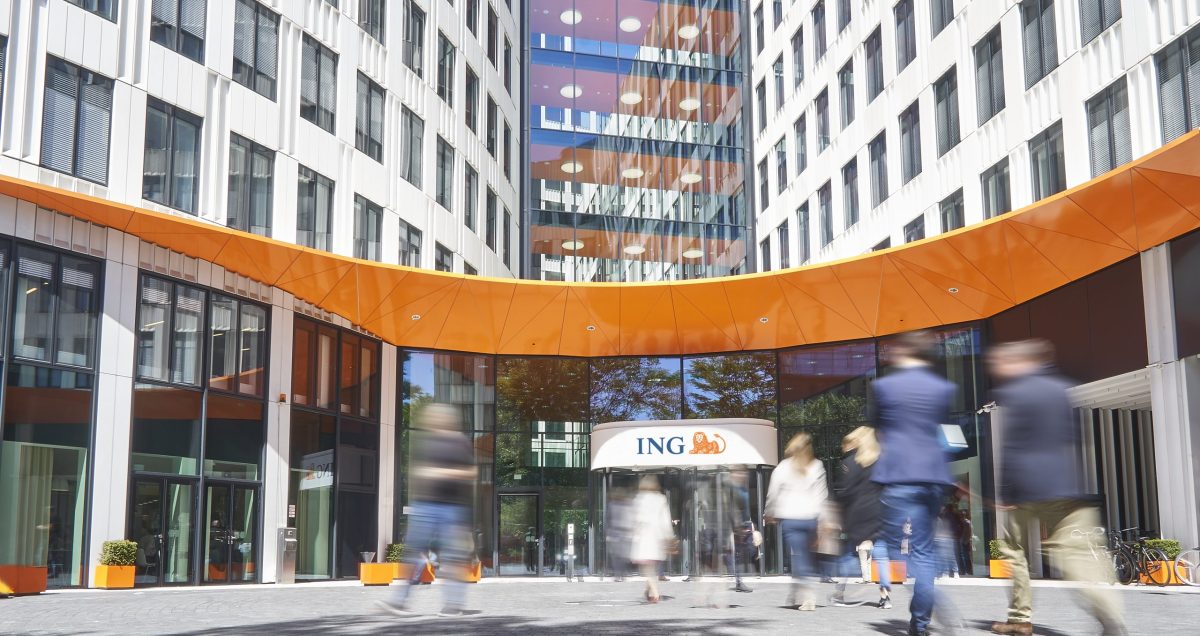
- ING Germany has expanded its securities offering to include several crypto ETPs. It is the first major German bank to integrate Bitcoin and Solana products into a fully regulated brokerage system.
- The decision for this offer follows the growing customer interest in digital assets and the trend to make cryptocurrencies tradable via classic depository structures.
Die THE LAB was founded in 1965 as Bank für Sparanlagen und Vermögensbildung AG (BSV) in Frankfurt am Main. As things stand, ING Deutschland, as it is called today, is the first major German bank to fully include Bitcoin, Ethereum and Solana ETNs in a regulated securities depository.

Other major German banks offer crypto products, but not in this form – tradable directly in a normal depot, physically secured, MiCA-compliant and without external wallets.
For the bank, this step means a wide opening into a market that was long considered too risky for serious banking transactions. Now ING relies on established issuers such as 21Shares, VanEck and Bitwise to provide its customers with secure, regulated access.
Physically deposited Bitcoin ETPs
At the center of the new product range are physically deposited Bitcoin ETPs. These are exchange-traded securities in which each individual share is backed by real, actually held Bitcoin.

This is particularly attractive for German investors, as profits from cryptocurrencies can be realized tax-free after a holding period of twelve months – an advantage that also applies to ETPs, provided they actually physically deposit the coins.
ING emphasizes that safekeeping takes place via the issuers’ cold storage, which significantly increases the level of security. Trading takes place as usual via the ING depot, without wallets, private keys and external exchanges.
Solana-ETPs from Staking-Komponente
Particularly innovative is the introduction of Solana ETPs, which incorporate staking income directly into the product value. These ETPs use models like JitoSOL, which combine staking rewards and MEV returns.
For investors this means: It is passive income, uncomplicated, without delegation to validators and without lock-up risks. The fact that a major bank like ING decides to offer such products shows how much the market has developed.
Staking ETPs are considered a new generation of digital investment products as they transfer yield mechanisms from the blockchain world into classic, regulated financial instruments.

Signal for the future
With the introduction of these ETPs, ING is sending a clear signal: cryptocurrencies are no longer a niche market, but an integral part of modern asset management.
The bank creates access that appeals to both security-oriented investors and technology-savvy users. At the same time, it strengthens its position in competition with neobrokers and crypto exchanges.
The mix of regulated trading, physical deposit and staking returns marks a milestone for the German market – and is likely to prompt other consumer banks to consider similar offerings.




No Comments