
From the wallet to the tax office: Why Bitcoin investors now have to document more precisely

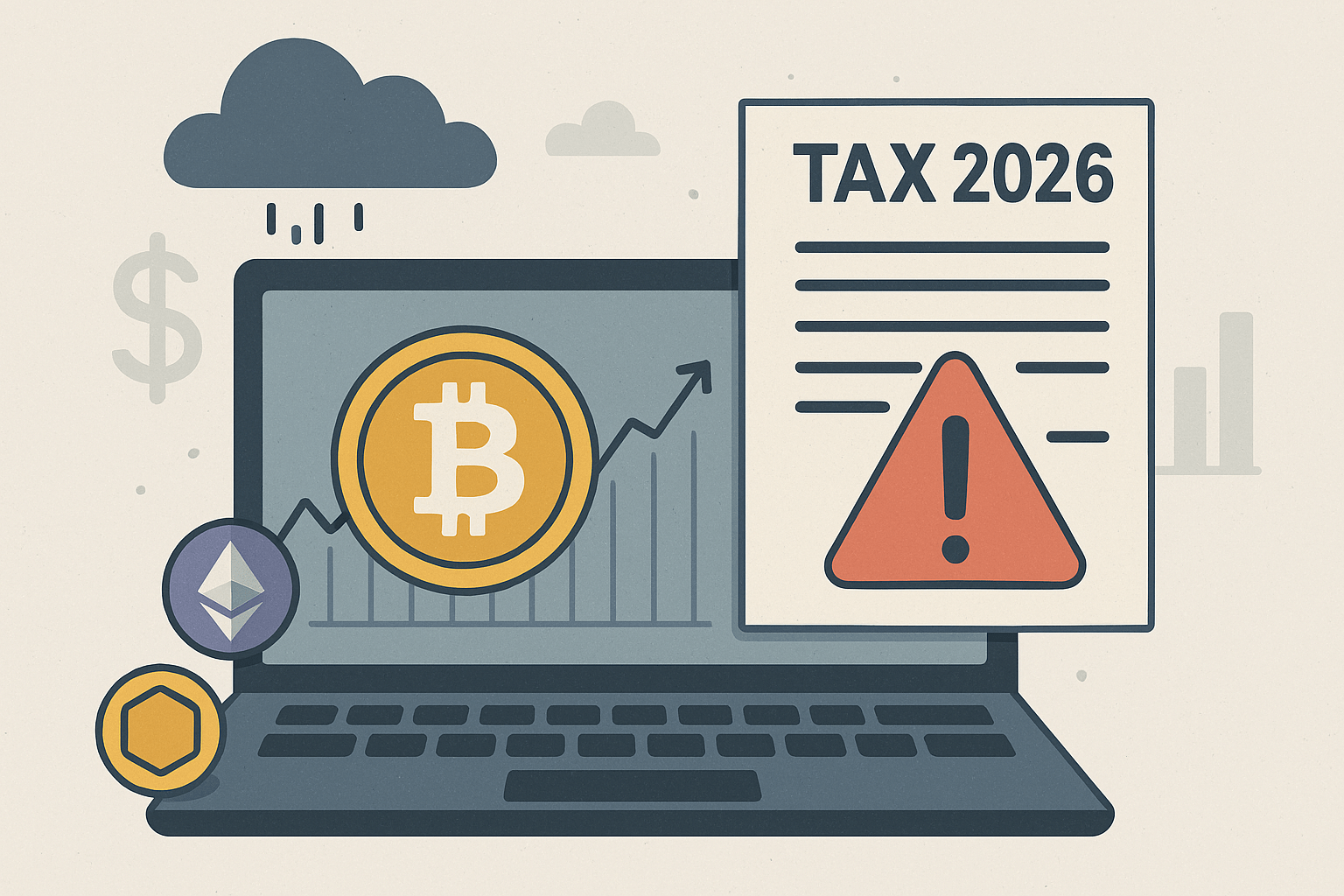
- Income from crypto assets has previously been a gray area from a tax perspective that overwhelmed many private investors – and the tax authorities were lenient.
- The new reporting and transparency obligations that have been in force in the EU since January and also in Switzerland through international agreements are now over.
For crypto investors, this means one thing above all: Anyone who does not properly document and correctly state their transactions will risk receiving notice from the tax office much more quickly in the future. The most important change concerns the automatic transmission of transaction data.

Crypto exchanges, brokers and other crypto service providers must report all relevant movements to the tax authorities. Leaving smaller or older transactions quietly under the table will no longer be tolerated.
Even transfers between your own wallets can become tax-relevant if they indicate profits or changes in value. Investors should therefore start organizing their wallet structure early on and create comprehensible documentation.
The question of the holding period is tricky. In Germany, profits from the sale of cryptocurrencies are tax-free after one year, while Austria and Switzerland have different deadlines. The new rules do not change this, but they do increase the likelihood that incorrect information will be noticed.

Anyone who moves tokens between several wallets quickly loses track of the purchase times. Tax experts therefore recommend logging every transaction immediately and, ideally, using software that automatically combines purchase, sale and transfer histories.
Staking and lending are also moving more into focus. Many investors forget that income from such activities is taxable regardless of the holding period. Thanks to the new reporting requirements, this income is now systematically recorded.
Anyone who provides incomplete information not only risks back payments, but also criminal consequences. It is therefore worth regularly checking the tax treatment of your own crypto strategy and adjusting it if necessary.
Another point concerns evaluation. Since cryptocurrencies are traded around the clock, the exact time of a transaction is crucial. Tax offices are increasingly relying on standardized price sources, which can lead to deviations if investors use their own values.
In order to avoid disputes, it is recommended to document the price data used transparently and to use generally accepted price indices.
Overall, the new rules lead to more clarity, but also to more processing work. Anyone who structures their crypto activities, documents them properly and declares them correctly for tax purposes does not have to worry about the new requirements.
For everyone else, it’s time to get their wallets in order before the tax office does.



No Comments