

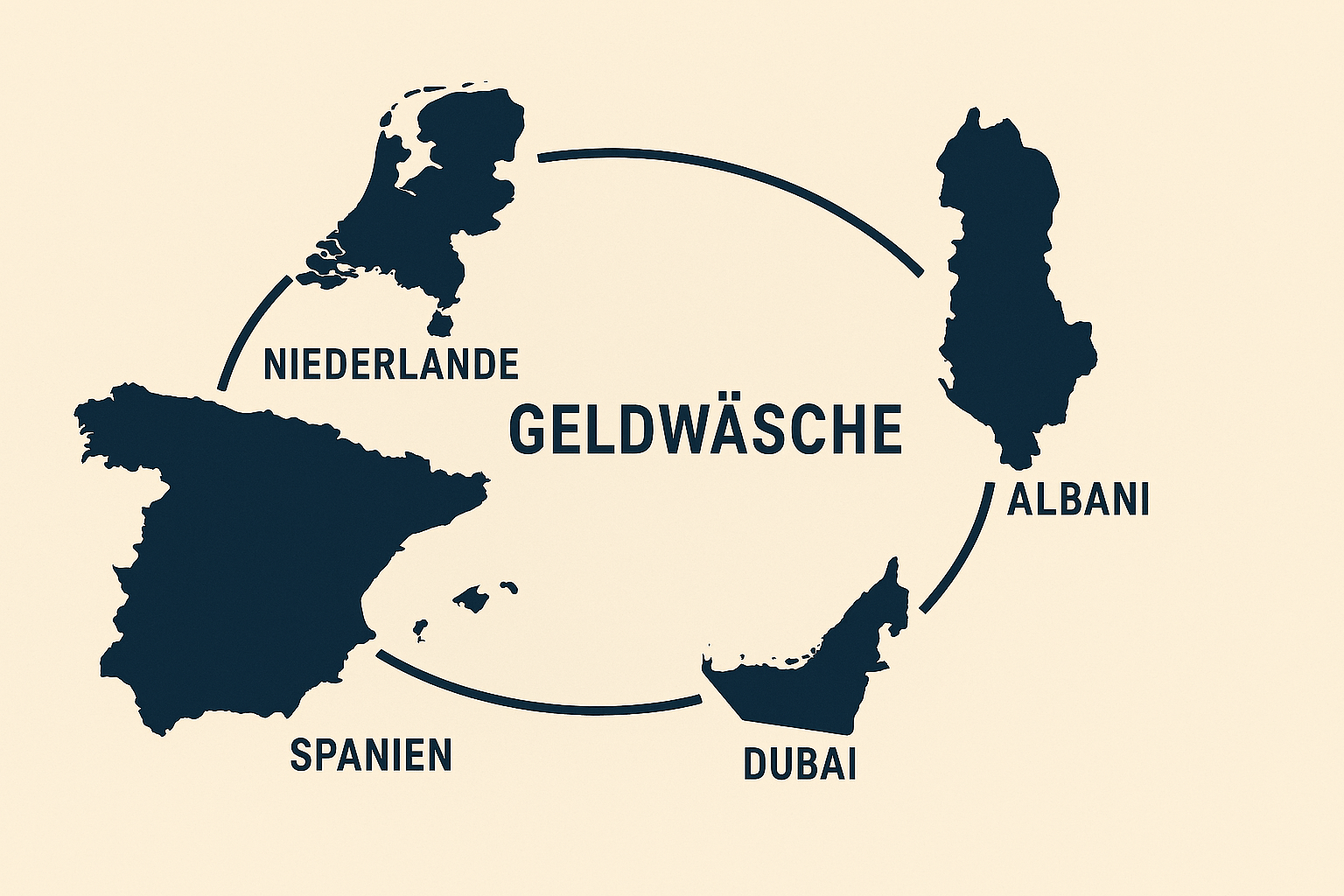
- An inconspicuous discovery in 2021 during a drug raid in Spain has now led to one of Europol’s biggest successes against money laundering crime.
- In a house that had been linked to cocaine trafficking, a number of five-euro bills were found, among other things, littered with handwritten notes
What initially seemed like a strange triviality turned out to be a goldmine of information about a crypto-money laundering network that stretched from Spain to the Netherlands to Dubai to Albania.

The notes on the banknotes contained the names, abbreviations, amounts, wallet information and codes of the criminal organization’s money couriers.
Once the information was put into context, they literally held the keys to an international crypto-money laundering system centered in the Albanian capital, Tirana. It had moved more than 35 million euros and concealed their origin.
The notes on the banknotes contained names, abbreviations, amounts and internal codes that allowed investigators to make a shadow banking system transparent. When the Spanish authorities called in Europol, the case quickly expanded. The leads led to the Albanian Çopja group, a criminal organization that, according to case files, systematically converted drug money into cryptocurrencies.

The Albanian anti-corruption agency SPAK got involved and, using wallet data, TRON transfers and e-exchange protocols, reconstructed how the money flowed from Spain via Tirana into Bitcoin, Ethereum and, above all, USDT on a TRC20 basis.
The investigation showed that the group used both Binance and the US cryptocurrency exchange “Cragen”, supplemented by local exchange offices in Tirana. A Milanese company also appeared as a facade that is said to have purchased cryptocurrency worth around $40 million between October 2024 and July 2025.
The blockchain traces showed transactions of six and seven-figure sums of money, which were subsequently “reinvested” in real estate, restaurants and other legal businesses in Albania.
Crypto forensics leads to success
What was particularly challenging for the investigators was that there were hardly any written documents other than financial records. Neither bank statements, receipts nor contracts were available. Instead, authorities had to work exclusively with onchain data.
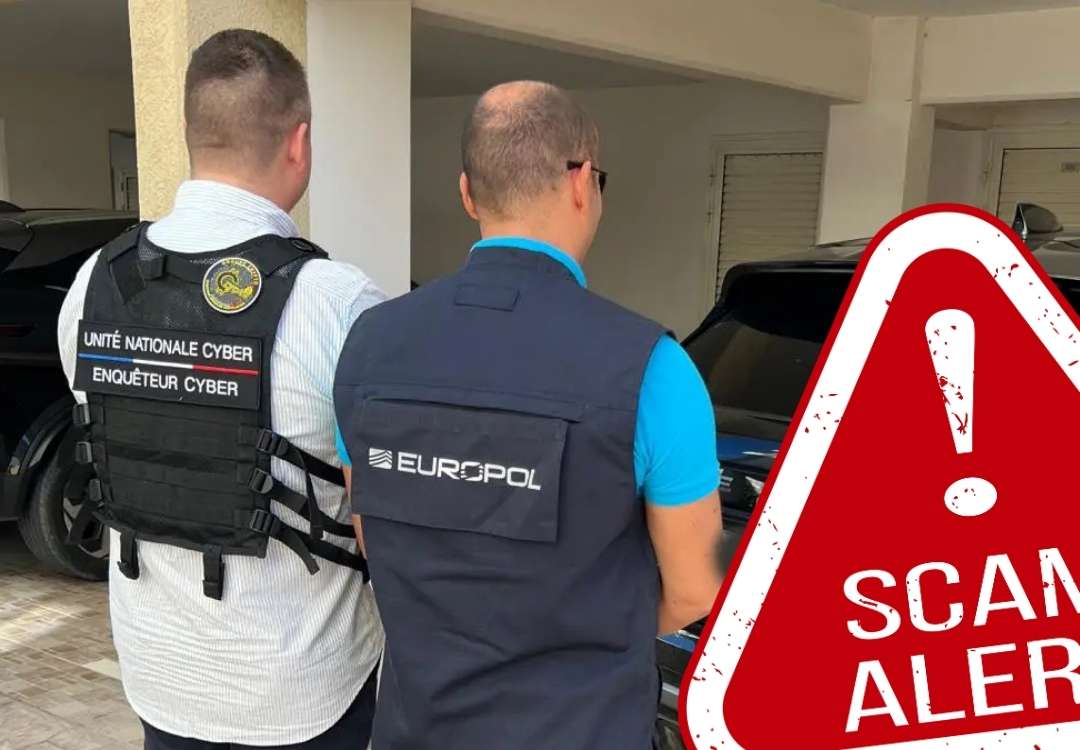
The Albanian lawyer Dritan Jahaj emphasized that ownership of a wallet is the decisive legal lever: Without a clear assignment of an address to a person, it is hardly possible to convict the accused.
At the same time, it became clear how far crypto forensics has now progressed. Analyst Dorian Kane explained that even disguised wallet cascades can increasingly be de-anonymized as soon as a single error in the physical environment establishes the connection – in this case, the five euro bills, which the perpetrators believe were negligently described.
In total, more than 35 million euros were confiscated, including 25 million in Spain and 10 million in Albania. For Europol, the case is an exemplary example of how cash discoveries, blockchain analysis and international cooperation work together to break down complex crypto money laundering structures.
For the EU law enforcement authorities, the case also marks major forensic progress: for the first time, a multinational criminal network was almost completely exposed using digital traces.
However, this was only possible because of the initially inconspicuous banknotes, which, in addition to their original inscription, had the notes in question that did not belong there.





No Comments