

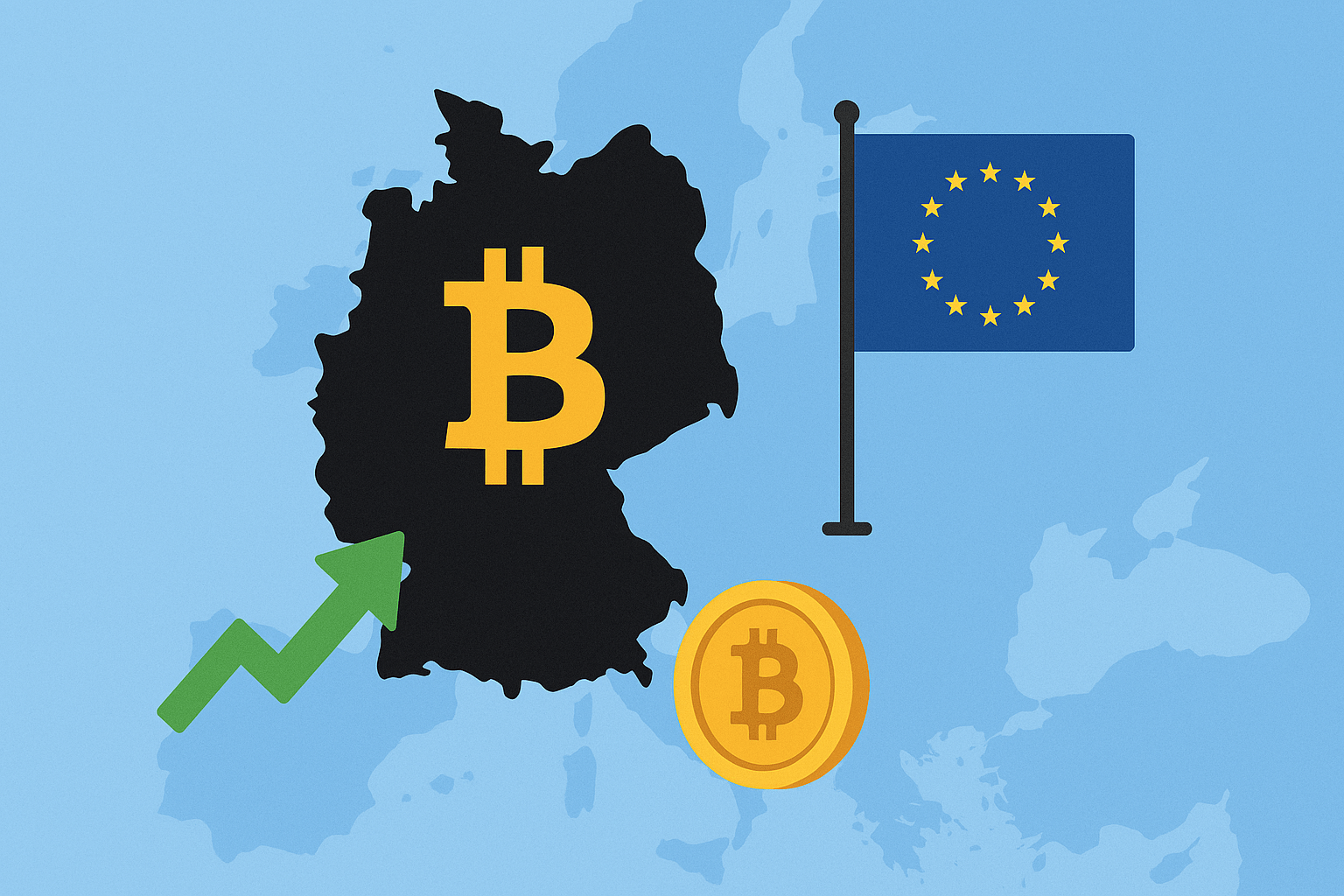
- The German crypto industry has developed in recent years in a way that has surprised most industry insiders – especially the Germans themselves.
- The Federal Republic actually stands for strict regulation, complicated bureaucracy and an extremely conservative financial culture. How did it become the EU hotspot for digital assets?
It started with a decision from 2019 that was hardly worth reporting at the time: When the Bundestag passed the law introducing electronic securities (eWpG) and BaFin introduced the crypto custody license, the foundation was laid. The eWpG came into force in June 2021.
While other EU members were still arguing over definitions, Germany already had a legal framework that classified digital assets as a legitimate, new asset class. This resulted in a location advantage for attentive investors, long before the issue had reached Brussels in the form of the MiCA debates.
Early regulation pays off
Demand grew rapidly. The KPMG/BTC ECHO study “Digital Assets in Germany 2025” shows:
German crypto investors invest an average of 29% of their assets in digital assets, and 61% of those surveyed have invested more than 20% of their assets in them.

It is a picture that was hardly imaginable just a few years ago: cryptocurrency and tokenized assets are topics that are discussed not only among a few in the know, but in the middle of society.
This is not the spread of a new variant of gambling addiction, but rather an expression of structural trust that has been able to build thanks to a robust, accepted regulatory framework.
It is the millennial generation that is driving development. In Europe, Switzerland is still the country with the highest crypto market penetration, but Germany has a decisive advantage – it is much larger and has much more growth potential.
No other economy in Europe combines regulatory maturity, institutional infrastructure and social acceptance so effectively. The Federal Republic is not only a key EU market, but also a catalyst for the entire European crypto industry.
Tokenization is Engine of development
Germany is one of the few countries in which digital bonds, tokenized fund shares and blockchain-based securities are not only anchored in law but are already in operational use across the board.
Banks such as DZ Bank, DekaBank and Commerzbank have set up their own RWA tokenization services, some with partners, and are testing new market models.
The eWpG has modernized the capital markets by replacing the paper-based certificate with the digital register – a step that has received international attention. At the same time, a system has developed that extends far beyond the financial sector.
Berlin, Hamburg, Frankfurt and Munich have developed into FinTech clusters in which start-ups, banks and technology suppliers work together. Medium-sized companies are experimenting with blockchain solutions in supply chains, energy infrastructure and mechanical engineering.
Germany has thus created something that is rare in Europe: a cross-sector innovation network that does not view digital assets in isolation, but rather as increasingly relevant elements of a comprehensive digital transformation.
With MiCAR, the development receives an additional boost, and Germany benefits twice: BaFin has years of experience in the supervision of digital assets, and providers can serve the entire EU market from Germany – keyword passporting.
The Federal Republic will thus become a hub for MiCA-compliant crypto providers who want to grow in the EU. Social change reinforces this dynamic. Cryptocurrencies are no longer seen as exotic or disreputable and speculative, but rather as progressive.
Although Bitcoin and Ethereum continue to dominate portfolios, interest in alternatives is growing. Young investors are driving it forward and ensuring that more and more digital assets establish themselves in the mainstream.
Not always – but more and more often…
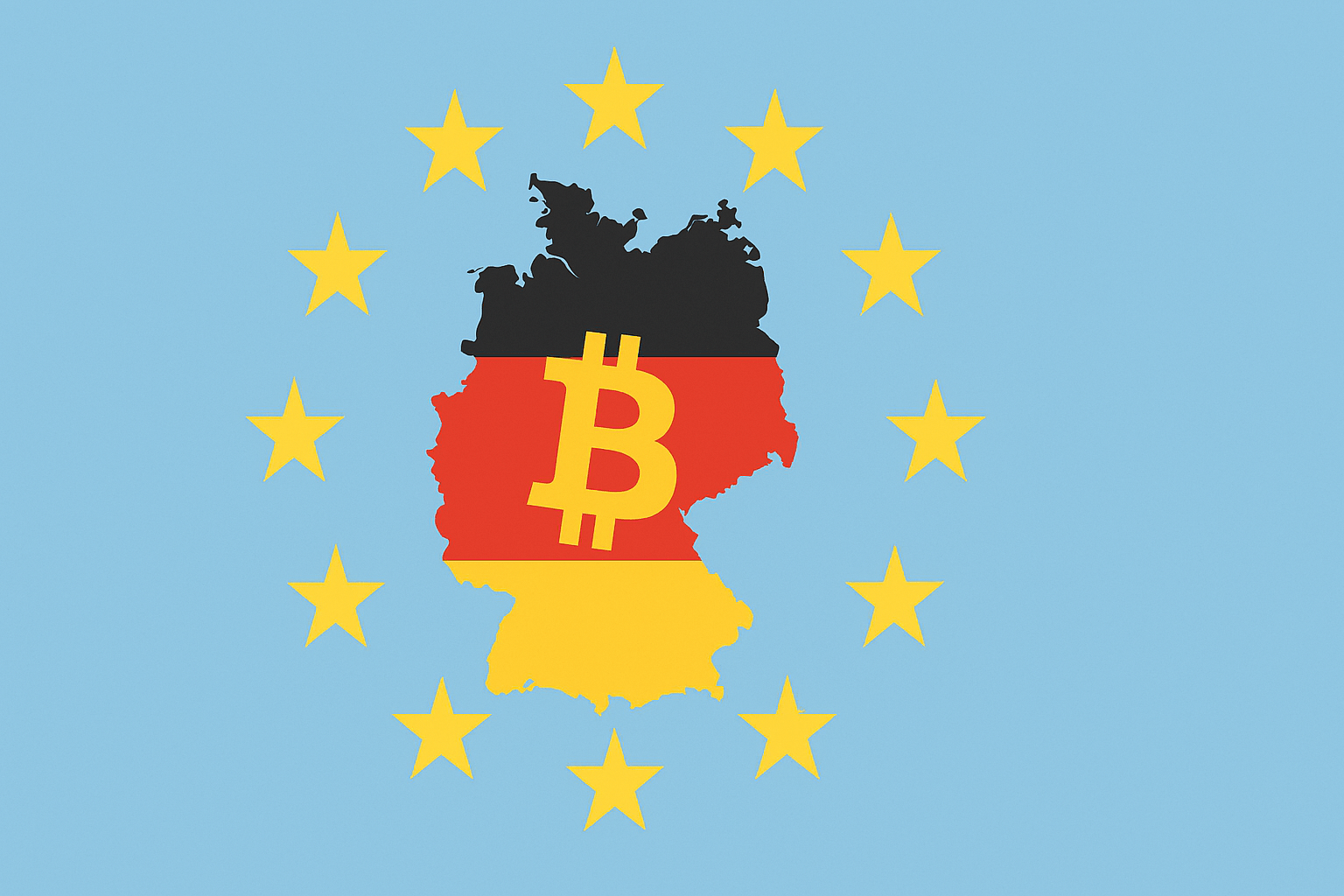
Germany is by no means the country of choice for all investors, but it has the economy that is most advanced in terms of regulations, has the most institutional investments, is technologically broadest and has the steepest social acceptance curve.
In his classic comedy “One, Two, Three”, Billy Wilder has the Germany boss of Coca Cola say – albeit in a different context:
„They did it already. It´s that damned German efficiency!“
Now Germany has become the most crypto-friendly economy in the EU.




No Comments