

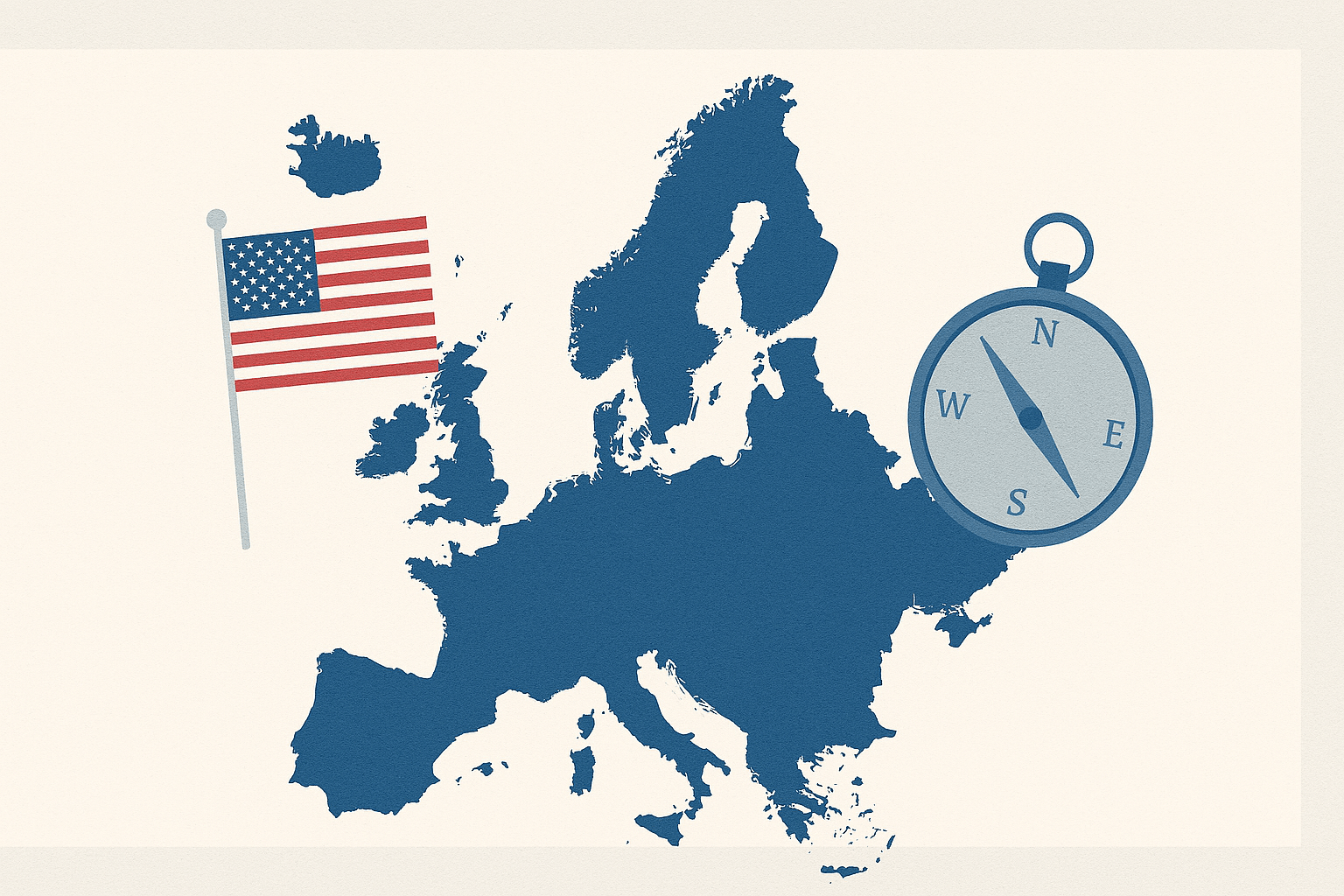
- An analysis of Europe’s attitude toward the United States that appeared in yesterday’s Brussels edition of Bloomberg can best be described as disorienting. The White House is making brutal decisions that endanger the internal and external peace of the USA.
- Meanwhile, those responsible in the EU are looking for ways to break the dependence on an ex-partner who died in just a year from Dr. Jekyll has mutated into Mr. Hyde – and will probably stay that way.
Europe: aspirations and reality
Bloomberg describes how European leaders are increasingly openly saying that the US is no longer a reliable partner under Trump. The dispute over Greenland, the threats of new punitive tariffs and the repeated disregard for multilateral rules have made this clear.

Spanish Prime Minister Pedro Sánchez is quoted as saying that the US no longer respects international law and is provoking tensions like never before.
At the same time, Bloomberg shows how difficult it is for Europe to derive concrete political consequences from this diagnosis. The The EU is closely linked economically with the USAfrom investment flows to financial markets to supply chains.
An abrupt break would be painful for both sides, but particularly risky for Europe. Dependence also remains high in terms of security policy: The NATO structuresnuclear deterrence and intelligence cooperation can hardly be replaced without Washington.
Limits of European autonomy

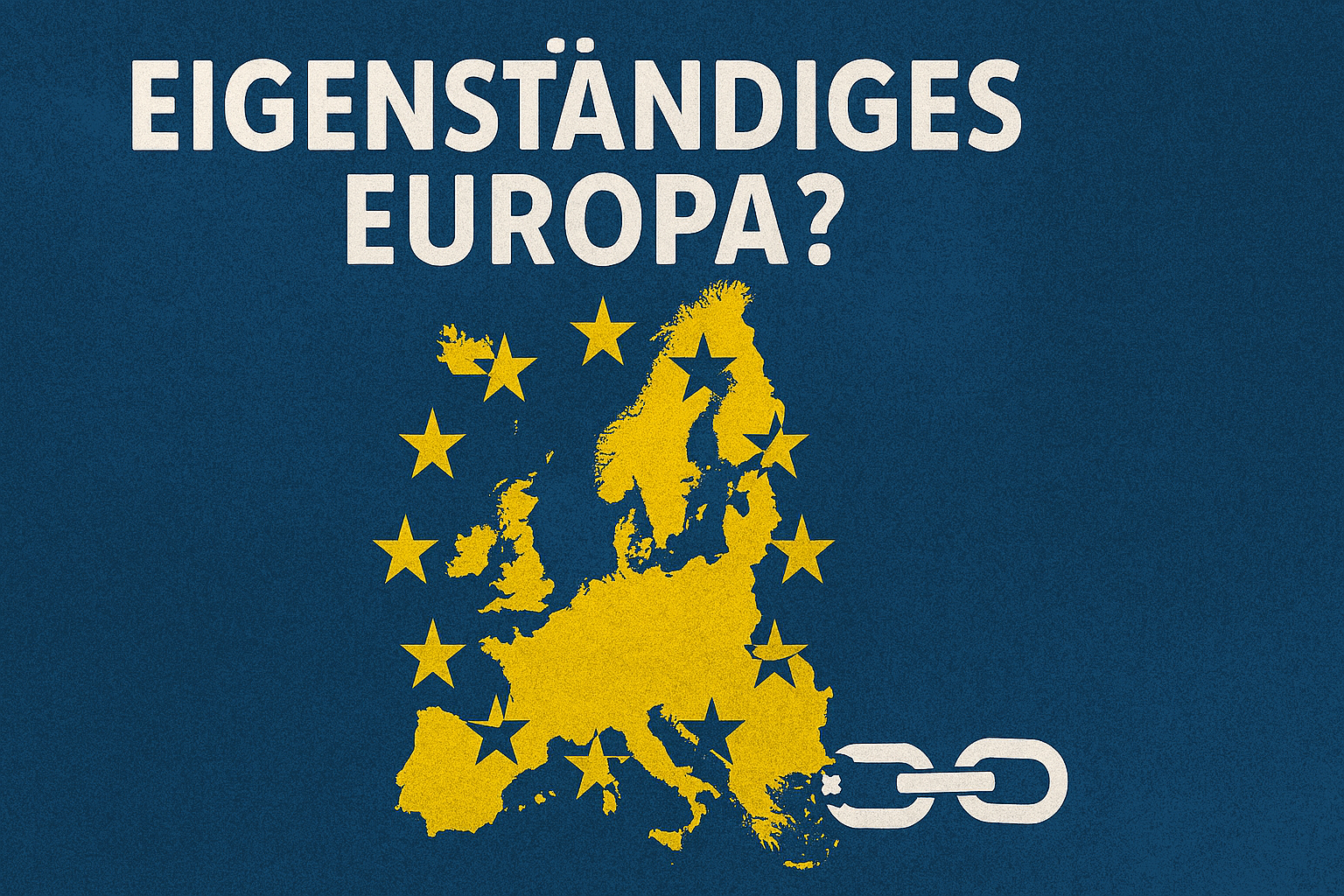
Bloomberg emphasizes that Europe’s desire for “greater self-reliance” is faltering due to harsh realities. The technological dominance of the USA – from cloud infrastructure to semiconductors to software – leaves the EU little room for maneuver. Although there are initiatives such as GAIA-X and the debate about a European chip strategy, they are long-term and cannot compensate for the current dependency.
Added to this is the political fragmentation of the EU. While France has been promoting a more robust European defense architecture for years – preferably under French leadership – Eastern European states continue to clearly rely on the USA as a security guarantor. These divergences make it difficult to find a common line and make it easy for Washington to play European positions off against each other.
Geopolitical change without direction
Bloomberg concludes that while Europe has recognized how vulnerable its position is, it has not yet found a way to overcome this weakness. Alienation from the US is real, but real decoupling is illusory. Instead, wishful thinking prevails.
They want their own strategic autonomy without endangering the transatlantic partnership. This is a balancing act that is unlikely to succeed with Trump as a “partner”, apart from the fact that the transatlantic partnership has long been in danger.
For European politics, this means that old certainties no longer apply and new structures must first emerge. Bloomberg This paints a picture of a continent that has to reinvent itself, but whose protagonists would have to learn the art of squaring the circle to do so.




No Comments