

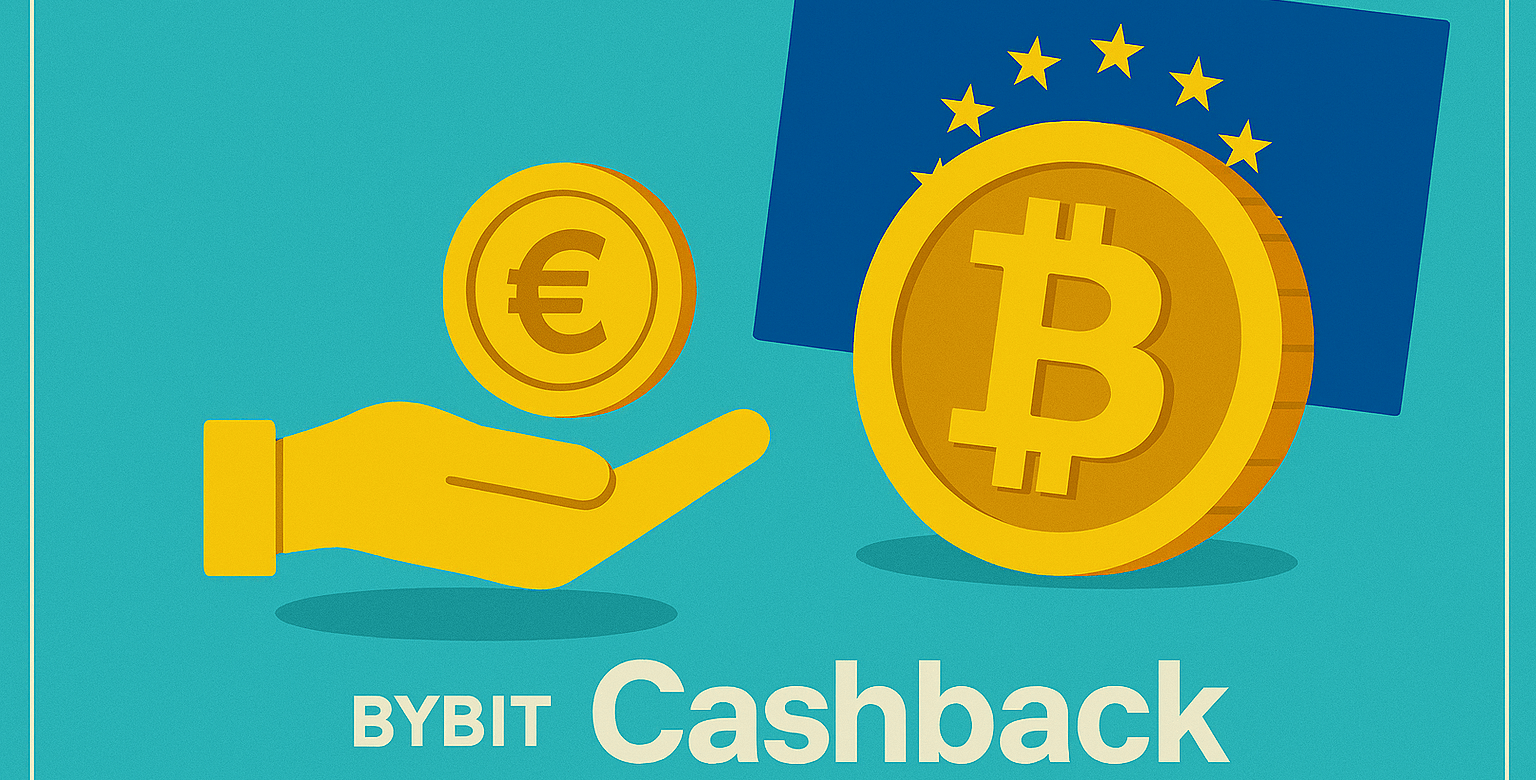
- Bybit is launching a large-scale cashback program in the European Union to integrate Bitcoin into consumers’ everyday lives.
- In the future, Bybit Card holders will automatically receive a refund in the form of Bitcoin for every purchase from a participating partner.
The cashback model is based on the well-known cashback programs from credit card providers, but extends them to digital assets. Cardholders use it to collect small amounts of Bitcoin for everyday expenses – from visiting the supermarket to booking a trip – without having to actively invest. The credits are made daily and are intended to encourage end consumers to start using cryptocurrencies.
The Bitcoin Cashback Program

The new program is tier-based: Depending on the card level, users receive between two and ten percent of their spending back as Bitcoin. The amount of cashback is also determined by the frequency of use by customers.
Instead of Bitcoin, USDC can also be used as a cashback currency in certain situations. Bybit positions the program as an opportunity to continuously, long-term build digital wealth.

The technical processing is automated – customers don’t need to do anything other than pay with their ByBit Mastercard as usual.
Bybit in the EU market
With the introduction of Bitcoin cashback, Bybit is pursuing several goals:
On the one hand, ByBit debit card should become more attractive and compete with other crypto financial service providers.
On the other hand, ByBit wants to promote the acceptance of cryptocurrencies in EU payment transactions. By linking daily expenses directly to the accumulation of Bitcoin, low-threshold access to the digital economy is created.
For Bybit, the program is also a marketing tool that is intended to both retain existing customers and open up new customer groups that have previously had no contact with cryptocurrency.



No Comments