
Ethereum Fusaka upgrade coming tomorrow – with PeerDAS optimization and scaling


- Ethereum’s Fusaka upgrade will be implemented tomorrow, improving UI, scaling, and security.
- PeerDAS also increases data throughput by eight times and reduces L2 costs and confirmation times.
Ethereum is nearing the start of large-scale network scaling, which begins tomorrow with the rollout of the Fusaka upgrade. It brings an increase in gas limits, faster data paths, new user features and protocol protections as the network prepares for heavy L2 traffic and long-term scaling.
1/ The Fusaka upgrade is coming December 3rd.
Ethereum is securely scaling.
Are you ready to support the changes?
Here’s what developers across the ecosystem need to do to prepare
pic.twitter.com/aHArhmJWnX
— Ethereum (@ethereum) December 1, 2025


PeerDAS and Blob scaling increase network capacity
PeerDAS increases Fusaka’s capacity by reducing node storage to 1/8 per blob, enabling up to eight times throughput and reducing L2 costs for faster, more cost-effective transactions. Ethereum will increase blob size through BPO forks on December 9th and January 7th.
Migration has the potential to reduce pressure on node hardware while supporting the growth of L2 systems. The mechanics of blob fees will also be limited under EIP-7918, allowing fees to respond flexibly to data congestion and avoiding fee distortions during periods of high activity.
Fusaka explicitly prescribes the requirements for different levels. L2 and Rollup teams also need to test PeerDAS on devnets, adjust protocol pricing, and prepare for BPO upgrades.
App and DeFi projects must benchmark the new CLZ opcode, track RLP size changes, and comply with the new 2²⁴ gas cap per transaction.
Wallets receive secp256r1 mobile-native passkeys. The infra protocol will increase to a gas cap of 60 million, requiring expiry history reviews and more stringent block testing.
The execution layer also includes stricter MODEXP rules, higher MODEXP costs, a maximum RLP size limit and a deterministic proposer lookahead function, which improve propagation, validation and security.
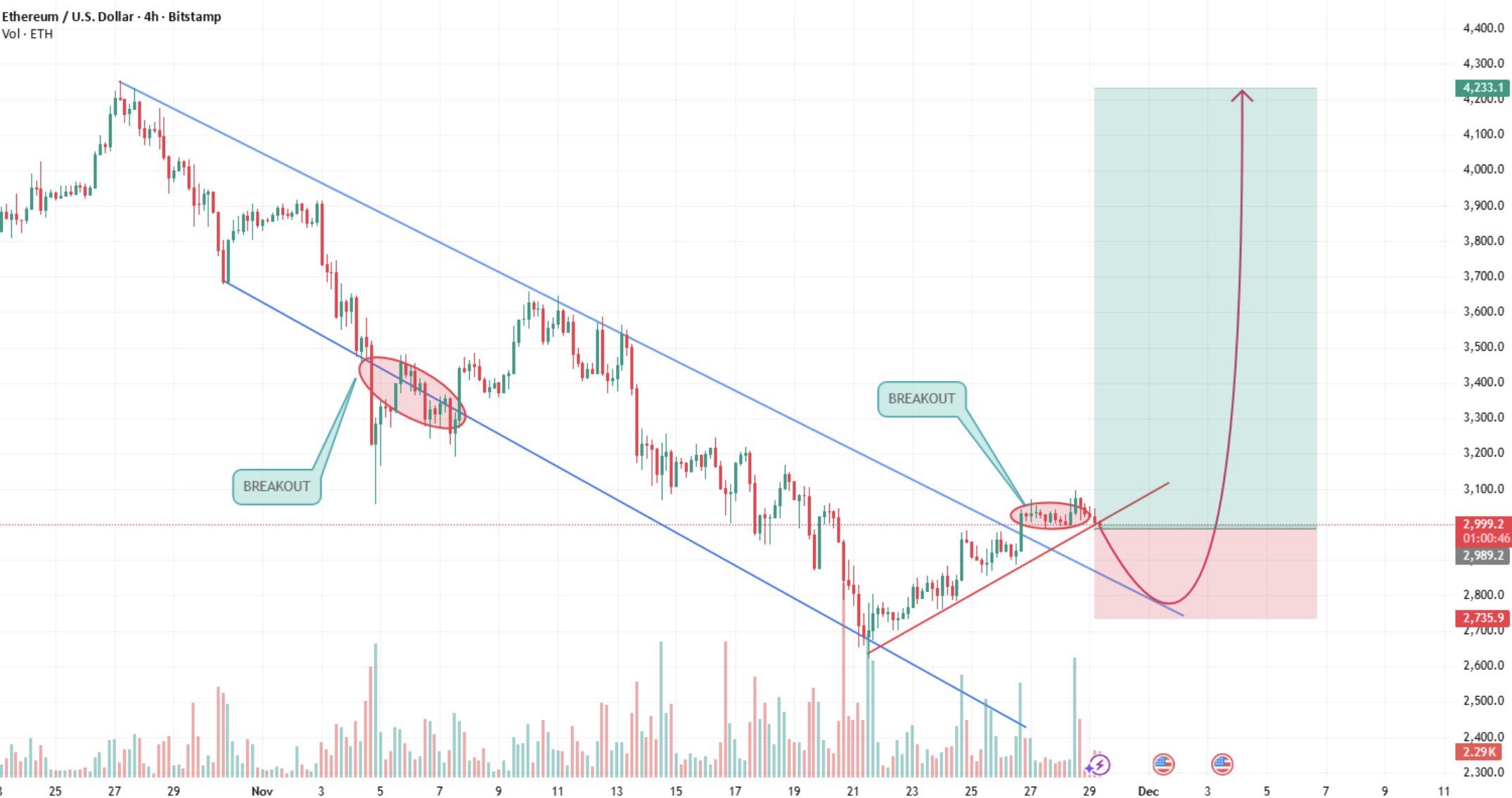
Ethereum is poised for a 100% increase after the Fusaka upgrade
Ethereum is currently trading at $2,811.43 and has formed a consolidation structure similar to that of 2017 and 2020. CryptoELlTES statedthat ETH has once again reached a structural zone where previous cycles formed important reversals.
CryptoSkull saidEthereum could return more than 100% after the Fusaka upgrade and predicted a bullish phase of ETH outperformance in this cycle. The debate revolves around high L2 activity, more expanded block space and a cleaner scaling roadmap to attract new capital.
Based on CryptoSkull’s analysis, the 1Q26 expansion could coincide with a new period of cycle maturation as ETH seeks new ATHs, with infrastructure upgrades being the primary driver.
German banks use Ethereum for enterprise-grade applications
Germany has emerged as a leading hub for institutional Ethereum applications. In July, AllUnity, a joint venture of DWS, launched the fully collateralized Euro stablecoin EURAU on Ethereum.
The project is an example of how German banks are leveraging scalability, security and the growing Ethereum system to introduce regulated services for businesses.



No Comments