

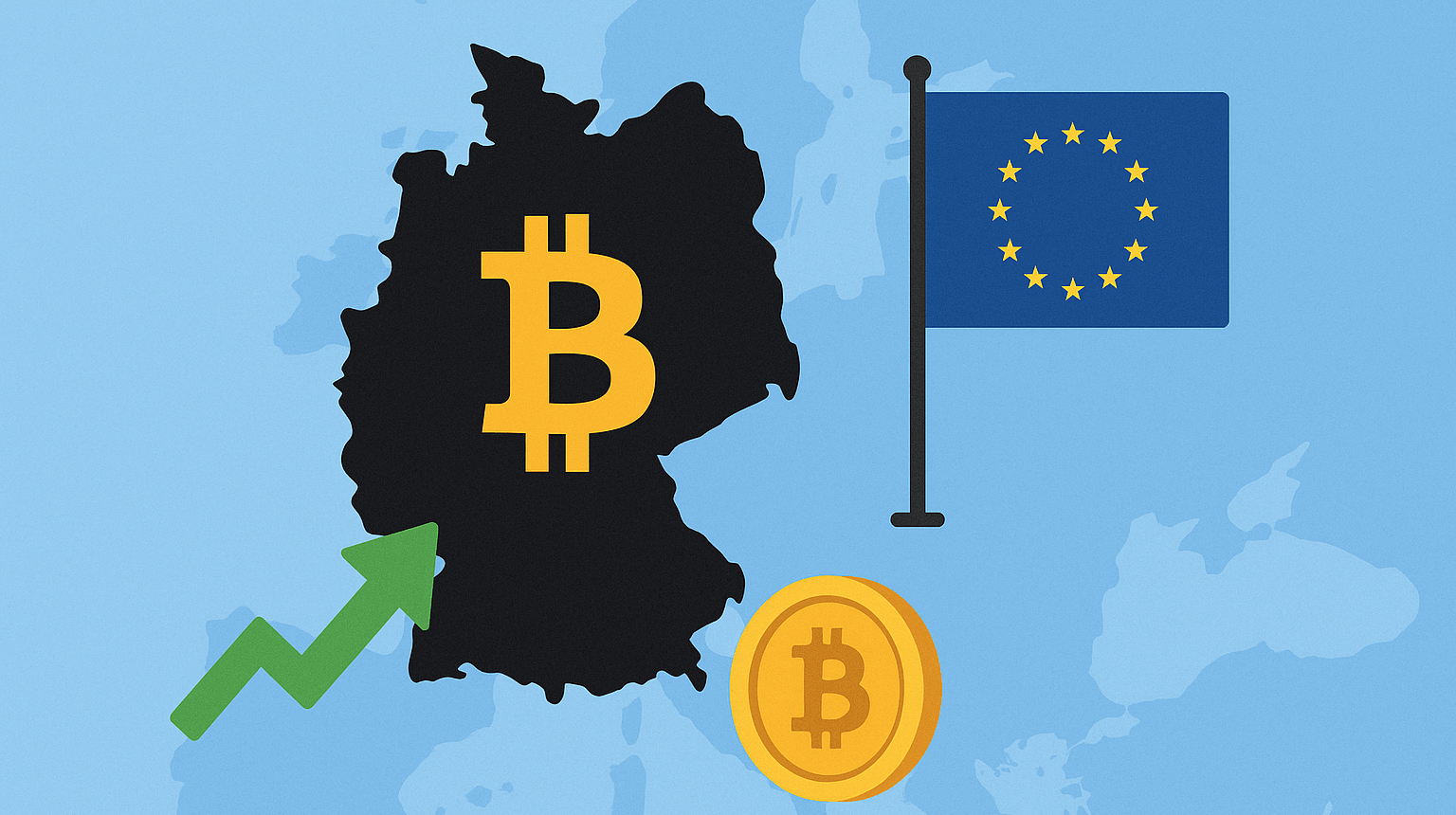
- The mood in the crypto market has deteriorated significantly in the last few weeks. There are significant capital outflows from digital investment products worldwide. Germany is proving to be one of the few markets with moderate inflows.
- The discrepancy between the massive sales in the USA and the comparatively robust demand in parts of Europe illustrates how differently institutional investors are currently reacting to the economic environment.
The United States accounts for the majority of global outflows. Investors there are withdrawing capital from Bitcoin and Ethereum products on a large scale. In individual weeks, outflows totaled more than a billion dollars, pushing the global balance sheet deep into the red.

Experts attribute the development to the US Federal Reserve’s tighter monetary policy, increased risk aversion and profit-taking following the strong inflows at the turn of the year. Many US investors have built up their positions at higher prices and are now sensitive to price declines and liquidity shortages.
Europe shows strength – selective purchases in Germany
In Europe the situation is more differentiated. While some markets are also recording outflows, Switzerland and Germany continues to have low but stable inflows. German investors repeatedly took advantage of the recent price declines for selective additional purchases, which ultimately led to net inflows.
In some weeks these were between four and 20 million US dollars – not spectacular sums, but a clear contrast to the massive sales in the USA. For example, while the US lost around $1.7 billion in a single week, Germany saw moderate inflows in the same week.


This suggests that German institutional investors act less short-term and focus more on medium to long-term allocations.
Investor confidence in general struck
Despite stable European demand, overall global investor confidence remains weak. The outflows from Bitcoin products, which are traditionally considered a barometer of sentiment, show this. There can therefore be no talk of a trend reversal.
But the stable inflows in Germany show that the market is not homogeneous. Rather, a picture emerges in which regional differences are becoming more important – and Germany presents itself as one of the few markets in which investors do not view setbacks as a defeat, but as an opportunity.



No Comments