


- EU plans to control chats are causing growing unrest in the crypto industry, as the International Association for Trusted Blockchain Applications (INATBA) warns of the potential for significant damage.
- Measures such as mandatory client-side scanning would undermine private communication and even endanger the encryption of European blockchain networks.
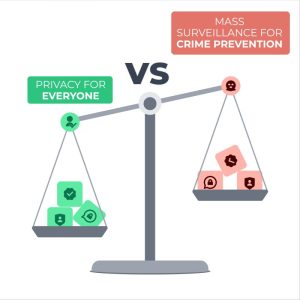
The core of the criticism: Chat Control through Client‑Side‑Scanning means that messages are automatically scanned before encryption. This effectively undermines end-to-end encryption. INATBA emphasizes that this sets a dangerous precedent that extends far beyond messaging services.

Blockchain systems are based on the same cryptographic principles as secure communication. If these principles are weakened, systemic risks arise for the security of wallets, private keys, zero-knowledge proof and digital identities.
This would be a major location disadvantage for Web3 companies. Developers would have to build EU-specific, less secure versions of their products or leave Europe. At the same time, customer trust in European digital infrastructures would erode.
Innovation ability at risk

With MiCAR, the EUDI wallet and a clear regulatory framework, Europe is a global pioneer in Web3. But Chat Control threatens to destroy this advantage. INATBA warns that the regulation not only affects fundamental rights such as privacy and data protection, but also calls Europe’s digital sovereignty into question.
Strong encryption is not an obstacle to security, but rather a prerequisite. An infrastructure that relies on mandatory scans of private communications creates new attack surfaces and undermines trust in digital services.
INATBA therefore advocates alternatives that ensure the protection of children and young people without tearing down the cryptographic foundation of digital Europe. The organization makes it clear:
Anyone who weakens encryption not only weakens citizens’ privacy, but also the competitiveness of European Web3 companies.





No Comments