
Buying real estate with Bitcoin: A trend for the wealthy, not the masses

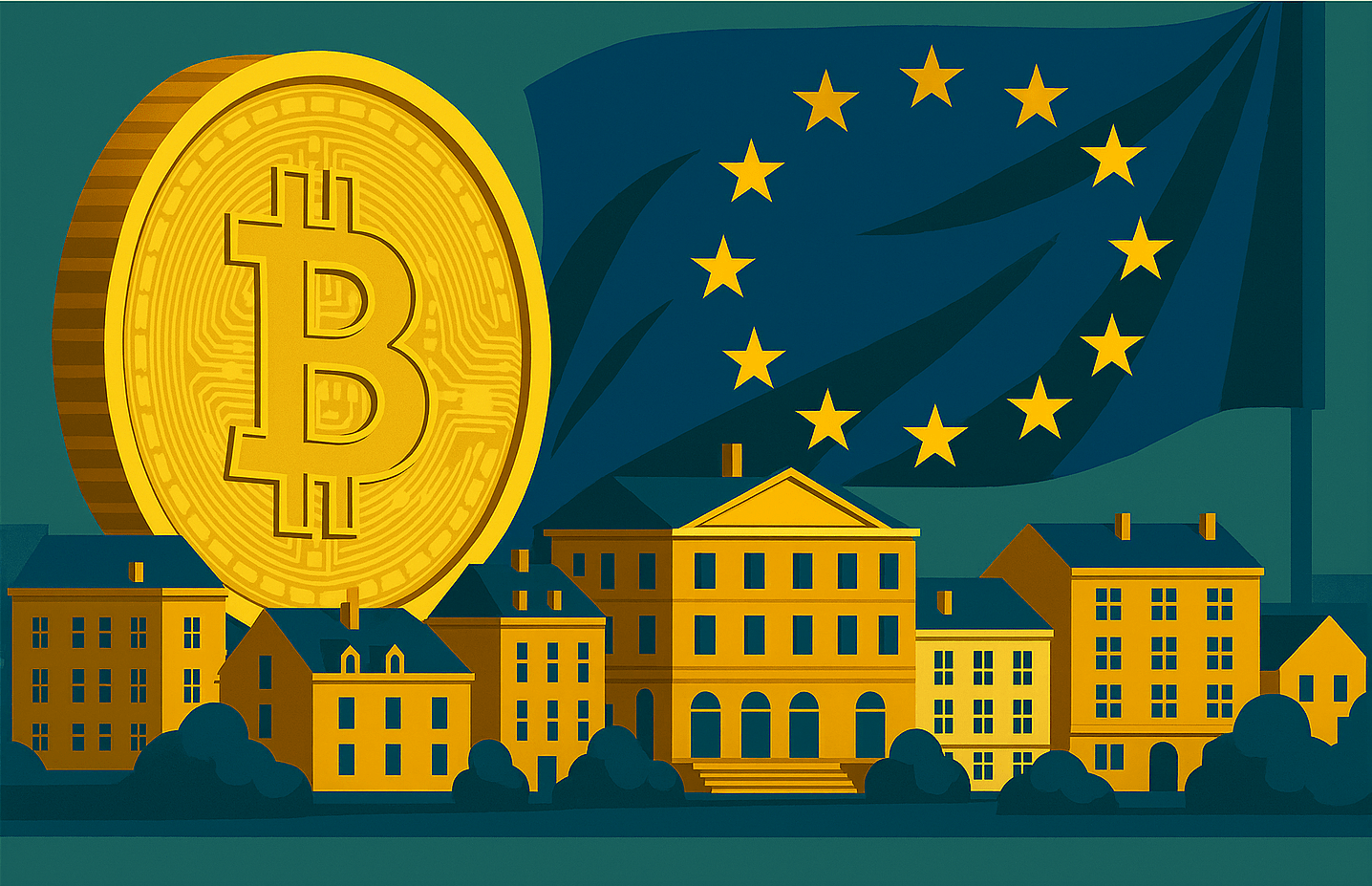
- Property purchases using cryptocurrencies are increasing rapidly in the EU, especially in the high-end segment. In the mass market, fiat money is still mostly used.
- Wealthy individuals have suddenly discovered crypto as a means of payment for high-quality real estate.
Portugal, Spain, Malta, Cyprus and Andorra are the EU countries with the new affinity for property purchases with cryptocurrency. There is a liberal regulatory framework and brokers and notaries with a lot of experience in crypto transactions. The trend is also noticeable in Great Britain, although without EU membership.
Why real estate purchases via crypto are increasing

One of the reasons is likely to be asset diversification. Many early crypto investors convert their digital profits into stable real assets without going through banks or other intermediaries. Real estate is considered to have particularly stable value.
In addition, crypto payments simplify international transactions. Buyers from countries with capital controls or high inflation can act faster and more flexibly with crypto than with fiat money.
At the same time, acceptance on the provider side is increasing: more and more real estate companies are advertising the use of Bitcoin, Ethereum, but especially stablecoins such as USDT and USDC.

Another reason for the regional concentration lies in the legal structure. Portugal, Malta and Cyprus created clear rules for dealing with digital assets early on and are considered crypto-friendly. In other countries, such as the UK, the framework is also in place but more stringent, making the process more complex. Nevertheless, processing remains fundamentally possible as long as buyers can provide transparent evidence of their funds.
The market is still small. However, there are many indications that property purchases using cryptocurrency will increase. The trend is reinforced by marketing effects, as providers use the payment option as an advertising argument for international customers.
At the same time, developments show that cryptocurrencies are increasingly finding their way into the real economy. Whether the trend spreads to the entire market depends on regulation, technical infrastructure and further acceptance of cryptocurrencies. In any case, they have arrived in the world of luxury real estate.
MiCAR with a signaling effect?
However, there could be another reason for the real estate industry’s new crypto appeal. For example, the Lithuanian-licensed company “Brighty” brokered over 100 real estate transactions for wealthy individuals last year, more than ever and the number is rising.
Now Lithuania is a preferred EU location for crypto companies, even questionable ones. There are a lot of letterbox companies there that have benefited from the previously relaxed registration practices.
This is now over, because the EU MiCAR has been implemented in Lithuania since the turn of the year and not until July of this year, as in most other EU states.
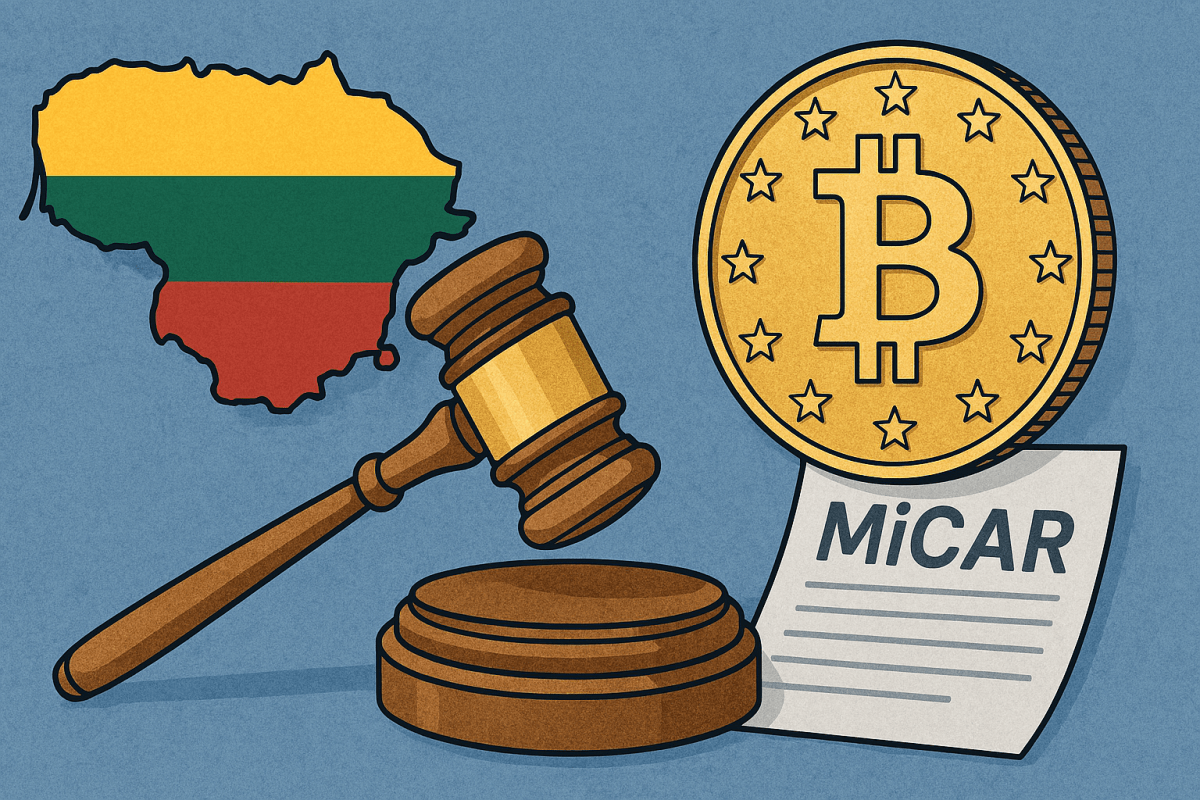
In the real estate industry, however, MiCA regulations have no impact whatsoever, and “tax avoidance strategies” are still possible there, which are now being prevented in the crypto industry, not only in Lithuania, but throughout the EU by summer at the latest.





No Comments