
British Barclays Bank is evaluating blockchain infrastructure for its operations

- The British Barclays Bank is currently examining several blockchain systems for the possibility of digitizing banking processes for day-to-day business.
- They are in contact with several specialized technology providers and want to make a pre-selection in April.
This makes Barclays Bank one of the growing number of international banks that are in the process of integrating digital assets and on-chain transaction processes into their operational business.

While competitors such as JPMorgan and HSBC already operate productive systems for tokenized deposits, Barclays is still in the evaluation phase but is relying on an accelerated decision-making process.
Stablecoins and tokenized deposits as pillars
The initial focus of considerations will be stablecoin-based payments and tokenized deposits.
Stablecoins are becoming a relevant instrument in global payment transactions as they allow fast, cost-effective transactions around the clock.

Bloomberg Intelligence predicts that stablecoins could reach tens of trillions in annual payment volume by 2030. This creates an environment for banks in which traditional payment models will come under pressure.
Tokenized deposits offer a regulatory-compliant alternative as they continue to be considered bank deposits and therefore do not fall into the category of freely circulating cryptocurrencies.
Barclays is examining how these tools can be integrated into existing systems and made usable for institutional clients.
The competition
JPMorgan already has an institutional payment token in use, the JPM Coin, which is used for internal and cross-border settlements.
HSBC is working in parallel to expand tokenized deposit offerings in multiple regions. Barclays is forced to catch up technologically in order to remain competitive in international corporate banking.
The planned move to blockchain is intended to enable continuous settlement without cut-off times while meeting UK and EU regulatory requirements.
The bank is also responding to developments in the technology sector, as social media companies such as Meta are integrating stablecoin payments into their applications and are thus entering direct competition with the banks.
Significance for Europe and the DACH region
The coming transformation of Barclays systems comes at a time when European banks are facing landmark decisions due to MiCAR, the DLT pilot regime and the increasing tokenization of traditional financial instruments.
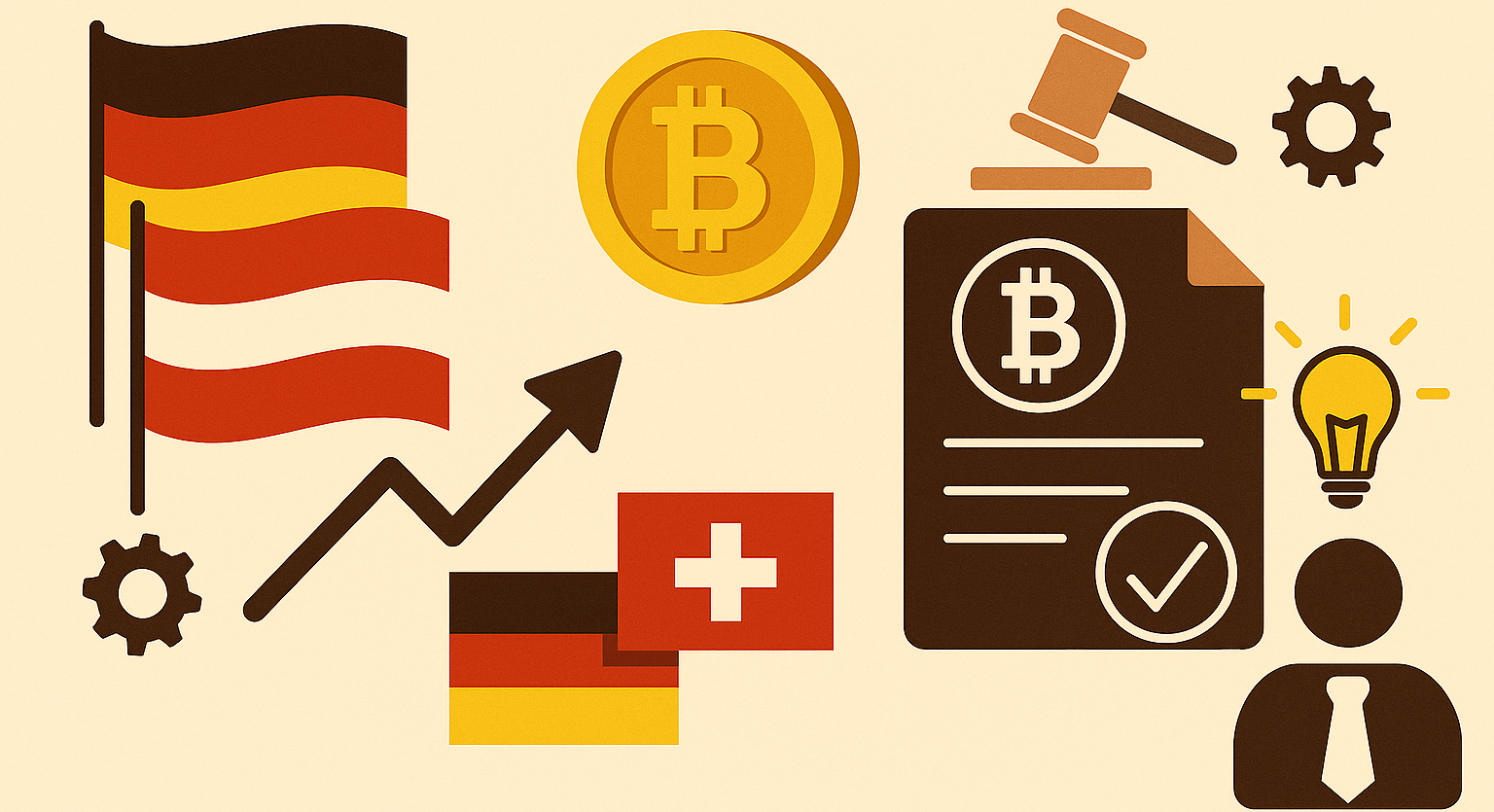
The question of whether banks develop their own onchain infrastructures or rely on external networks is increasingly becoming a key question for the coming years. With its blockchain project, Barclays could provide a model that shows how established banks can seamlessly integrate digital assets into existing systems.
The development is relevant for the DACH region because it increases the pressure within Europe to launch comparable initiatives and accelerate existing projects.


No Comments