
BRICS group initiates gold-backed currency system and attacks the dollar’s global trade monopoly

- The BRICS group created the UNIT system to overcome the limitations of central bank-based national currency structures.
- The current financial system is being questioned because of its vulnerability to inflation and sanctions imposed on BRICS members for political reasons.
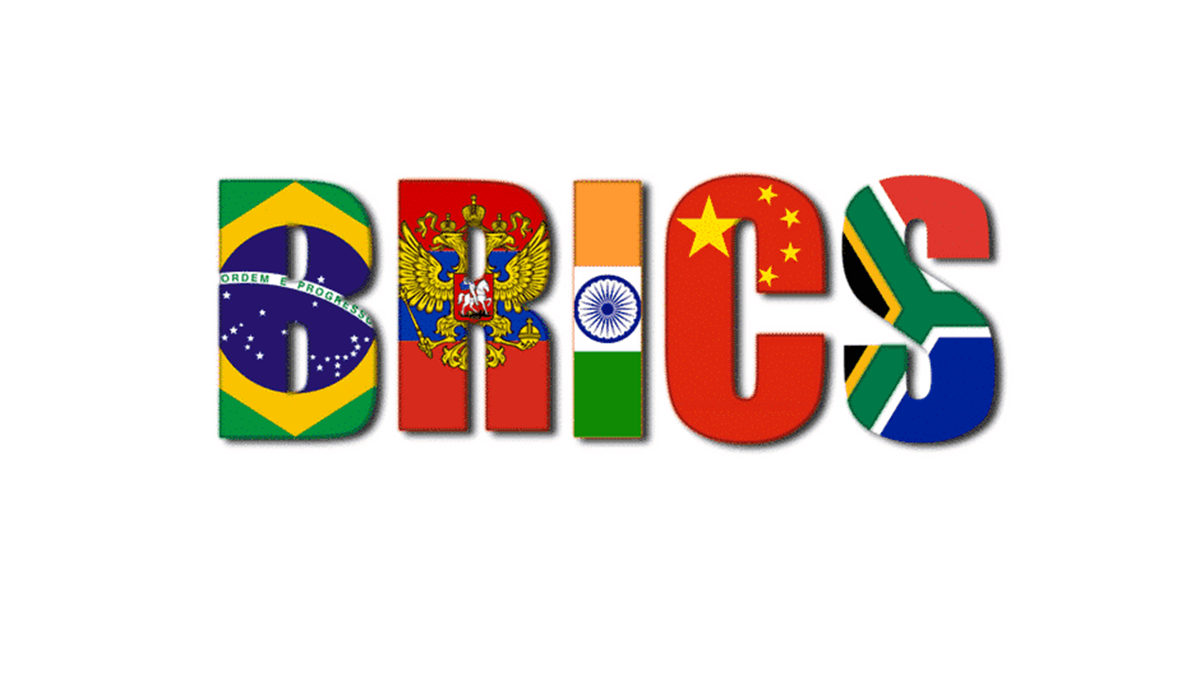
The BRICS group, now consisting of Brazil, Russia, India, China, South Africa, Iran, Saudi Arabia, the VAR, Egypt, Ethiopia and Indonesia, has introduced the gold-backed UNIT payment system to settle international trade between member countries.
However, UNIT is not intended to be a traditional fiat currency. Its value is said to arise from a combination of physically stored gold and a currency basket made up of the national currencies of the BRICS countries. It should end the dependence on the US dollar as the world currency, but should have at least the same stability.
The system stipulates that in order to mint UNIT coins, the equivalent value must be deposited in gold and the currencies of the BRICS members. The coverage currently consists of around 40% gold and 60% BRICS currencies, with the share of each currency limited to prevent any single currency from gaining too much weight.
As part of this gold strategy, Brazil increased its reserves by around 16 tons of gold in September. Among the other BRICS members, three countries remain the largest gold owners: Russia with around 2,336 tonnes, China with around 2,298 tonnes and India with around 880 tonnes.

The UNIT network relies on blockchain technology to ensure transparency and enable settlement, clearing and payments outside of the traditional global financial system.
Why UNIT?
The push for UNIT is part of BRICS efforts to reduce dependence on the dollar. Gold is a traditional safe haven: it is immune to currency risk, inflation or geopolitical instability, unlike fiat currencies or dollar-based reserves.
Unlike dollar reserves or assets that are tied to Western financial systems and can be frozen, gold is physically stored “in the basement” and its price is difficult to control from outside. By accumulating gold, the BRICS countries are strengthening their ability to weaken the hegemony of the dollar.
Tariffs are another point of concern. On April 2, President Donald Trump unveiled a sweeping new tariff initiative. While a general 10% tariff was imposed on all U.S. imports, even higher tariffs were imposed on countries considered to disrupt the dollar system. As CNF reported, the White House warned BRICS that any move toward an alternative currency could result in 100% tariffs or exclusion from the US market.

No Comments