Key Highlights
- Bitcoin surged above $86,000 after breaking the May high, driven by nearly $1 billion in single-day spot ETF inflows—the largest since October 2024.
- WTI crude oil dropped below $90 a barrel on reports Iran may reopen the Strait of Hormuz, easing inflation fears and reducing pressure for further Federal Reserve rate hikes.
- Broad risk appetite improved as the Nasdaq rallied, global stocks rose, U.S. bond yields fell, and optimism grew over U.S.–China trade negotiations.
Bitcoin Extends Rally Past $86K on Record ETF Flows and Macro Tailwinds
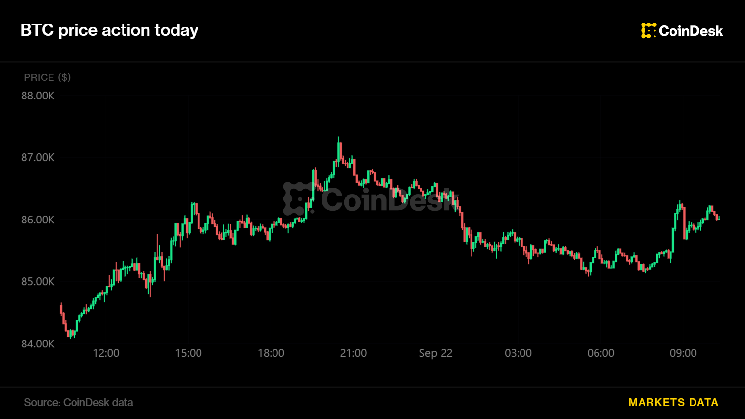
Bitcoin (BTC) consolidated near $85,927 early Tuesday after a decisive break above its May high during Monday’s session, reinforcing a bullish technical structure that has been building for weeks. The largest cryptocurrency by market capitalization recovered from Asian-session lows around $85,000 and traded within striking distance of the $86,000 psychological level. The broader digital-asset benchmark, the CoinDesk 20 Index (CD20), advanced 2.2% over the past 24 hours, signaling broad-based participation across the crypto complex.
Spot Bitcoin ETFs Post Largest Daily Inflow Since October
A primary catalyst for Monday’s surge was extraordinary demand for U.S.-listed spot bitcoin exchange-traded funds. The cohort attracted nearly $1 billion in net inflows in a single trading day, marking the largest one-day haul since October 2024. The magnitude of the flow underscores renewed institutional conviction and suggests that the recent price consolidation was viewed as an accumulation opportunity rather than a distribution phase. Analysts note that sustained inflows of this scale could provide a structural bid underpinning further upside.
Falling Oil Prices Ease Inflation Concerns and Fed Hawkishness
Macroeconomic developments provided additional tailwinds. West Texas Intermediate (WTI) crude futures slid more than 2% to dip below $90 per barrel, extending a retreat from a recent peak near $106. The decline followed a Kyodo News report stating that Iran signaled willingness to reopen the Strait of Hormuz within seven days if the United States eased its blockade. A sustained drop in energy costs could alleviate inflationary pressures, weakening the argument for additional Federal Reserve interest-rate increases in the coming months—a scenario historically supportive of risk assets, including cryptocurrencies.
Risk Appetite Revives on Equities Rally and Geopolitical Optimism
The crypto advance coincided with a sharp rise in the Nasdaq Composite, rising global equity markets, and declining U.S. Treasury yields. Sentiment was further buoyed by optimism surrounding U.S.–China trade negotiations. Alex Kuptsikevich, chief market analyst at FxPro, summarized the confluence in an email: “The crypto market gained ground against the backdrop of a sharp rise in the Nasdaq index. Falling oil prices and US government bond yields, rising global stock markets and optimism regarding US-China negotiations supported risk appetite.”
Why This Matters
The simultaneous break of a key technical level, record-setting ETF inflows, and a favorable macroeconomic backdrop—lower oil, falling yields, and easing geopolitical tension—creates a rare alignment of fundamental and technical tailwinds for bitcoin. If ETF demand persists and the Federal Reserve maintains a dovish tilt amid disinflationary data, the path of least resistance for BTC could remain higher, with the next major resistance zone likely near the all-time high above $108,000. Market participants will closely monitor weekly ETF flow data, upcoming CPI/PCE prints, and any formal progress on the Strait of Hormuz situation for confirmation of the current narrative.
Frequently Asked Questions
- What triggered Bitcoin’s break above the May high?
- A combination of nearly $1 billion in single-day spot bitcoin ETF inflows—the largest since October 2024—falling oil prices, declining U.S. bond yields, a rallying Nasdaq, and optimism over U.S.–China talks drove the breakout.
- How do lower oil prices affect Bitcoin?
- Lower oil prices reduce inflationary pressure, which lessens the likelihood of further Federal Reserve rate hikes. A more dovish Fed outlook typically supports risk assets, including cryptocurrencies.
- What is the significance of the Strait of Hormuz report?
- The Kyodo report that Iran may reopen the Strait of Hormuz if U.S. sanctions ease triggered a sharp drop in WTI crude below $90 a barrel, directly contributing to the disinflationary narrative benefiting Bitcoin.