Key Highlights
- Devere Group CEO Nigel Green argues Bitcoin’s recovery is gaining durability from sustained institutional inflows into regulated U.S. spot ETFs, marking a shift from leveraged speculation to “patient capital.”
- Despite a net inflow of approximately $6.1 million across five trading days through Sept. 18, the trend remains fragile after $746.3 million in withdrawals on Sept. 15–16 nearly offset recent gains.
- The Federal Reserve’s Sept. 16 rate hike to 3.75%–4% raises the opportunity cost of holding non-yielding Bitcoin, while the CLARITY Act’s legislative stall delays regulatory clarity that Green says could unlock pension and wealth-manager allocations.
Institutional Flows Signal Market Shift, Says Devere Group CEO
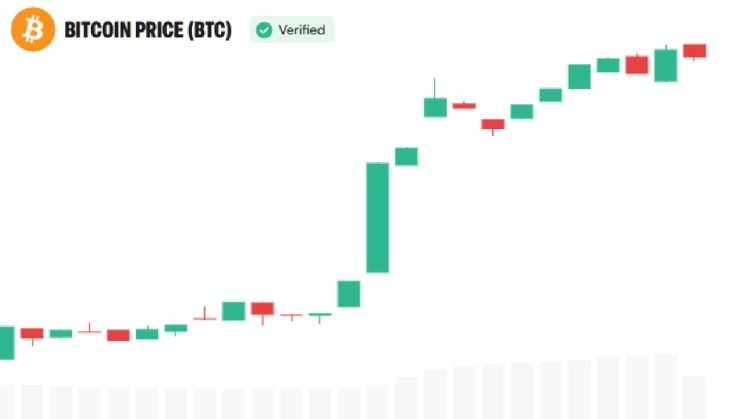
Bitcoin’s recent price recovery is underpinned by a structural shift in market participation, according to Devere Group Chief Executive Officer Nigel Green. In comments issued Sept. 21, Green asserted that consistent purchasing through regulated investment products indicates buyers have regained control of the market. He characterized the current momentum as fundamentally different from previous rallies driven by leveraged speculation.
“The market’s momentum has flipped, and this time there’s serious institutional money behind it,” Green said, adding:
“Billions are flowing into regulated bitcoin products week after week. It’s patient capital that plans to stay, a very different animal from the leveraged speculation that fuelled past rallies.”
ETF Data Shows Mixed Recovery After Volatile Week
Flow data for U.S. spot bitcoin exchange-traded funds (ETFs) supports Green’s observation of renewed demand, though the net picture remains modest. Farside Investors’ rounded daily figures show the funds attracted $433 million in net inflows on Sept. 18, following $159.5 million the previous session and $159.9 million on Sept. 14. However, those purchases only narrowly offset withdrawals of $746.3 million recorded on Sept. 15 and 16, leaving approximately $6.1 million in net inflows across the five trading days.
The recovery began Thursday, Sept. 18, when bitcoin ETFs returned to positive flows after two consecutive sessions of withdrawals. BlackRock’s IBIT led the rebound, while ether and XRP funds continued losing money. The divergence suggests renewed demand for bitcoin products has not yet translated into consistent buying across the broader crypto ETF market.
Monetary Policy Creates Countervailing Pressure
Green’s supply-side argument—that Bitcoin’s fixed cap of 21 million coins offers a hedge against currency debasement—runs against a tightening monetary backdrop. The Federal Reserve raised its benchmark target range to 3.75%–4% on Sept. 16, a unanimous quarter-point increase accompanied by language describing inflation as elevated. Higher interest rates increase returns on interest-bearing assets, raising the opportunity cost of holding Bitcoin, which pays no yield.
A separate assessment from Grayscale characterized the latest increase as a limited adjustment within the current Fed cycle. The asset manager distinguished one or two potential increases in 2026 from the prolonged tightening cycle that began in 2022. That interpretation aligns with Green’s view that demand can remain resilient despite higher rates, though both assessments represent forward-looking market outlooks rather than established facts.
Regulatory Uncertainty Tempers Optimism
Green identified clearer U.S. crypto rules as a conditional catalyst that could encourage pension funds and wealth managers to increase exposure. His forecast depends on large allocators becoming more comfortable with the regulatory framework governing digital assets, which would extend demand beyond current ETF buyers into a wider pool of portfolio allocations.
The legislative backdrop, however, delivered a setback on Sept. 15 when senators failed to advance the CLARITY Act toward floor debate. The procedural vote required 60 votes to move forward; its failure left the proposed market-structure framework unresolved. Green nevertheless expects a larger potential pool of buyers if regulation becomes clearer, while acknowledging that volatility and pullbacks will continue.
“Once big allocators see rules they can work with, the next wave of demand could dwarf this one,”
he described, elaborating:
“The crypto winter looks to be ending. Every dip that gets bought strengthens the case that the floor has moved higher.”
“Bitcoin is a permanent fixture in the global portfolio conversation, and the bulls know it,”
the executive concluded.
Why This Matters
The interplay between institutional adoption, monetary policy, and regulatory progress defines Bitcoin’s current inflection point. Sustained ETF inflows—particularly from vehicles like BlackRock’s IBIT—signal growing acceptance among traditional financial intermediaries, yet the net flow figures remain marginal after sharp reversals. The Federal Reserve’s higher-for-longer rate posture introduces a persistent headwind for non-yielding assets, while the CLARITY Act’s stall underscores that U.S. regulatory certainty remains a work in progress. Market participants should monitor whether the “patient capital” Green describes withstands the dual test of rate sensitivity and legislative gridlock, or whether the recent rebound proves another bear-market rally.
Frequently Asked Questions
What were the net flows into U.S. spot Bitcoin ETFs for the week ending Sept. 18?
According to Farside Investors data cited in the report, U.S. spot Bitcoin ETFs saw approximately $6.1 million in net inflows across the five trading days through Sept. 18. This followed $433 million in inflows on Sept. 18, $159.5 million on Sept. 17, and $159.9 million on Sept. 14, which were largely offset by $746.3 million in withdrawals on Sept. 15–16.
How does the Federal Reserve’s September rate hike affect Bitcoin’s appeal?
The Fed raised its benchmark rate to 3.75%–4% on Sept. 16, increasing the opportunity cost of holding Bitcoin because the cryptocurrency does not generate interest income. Higher yields on bonds and cash equivalents make non-yielding assets comparatively less attractive, though some analysts, including Grayscale, view the hike as a limited adjustment rather than a return to aggressive tightening.
What is the CLARITY Act and why does its failure matter for Bitcoin?
The CLARITY Act is a proposed U.S. market-structure framework for digital assets. Its failure to advance past a procedural vote on Sept. 15—falling short of the 60 votes needed—leaves regulatory rules unresolved. Devere Group CEO Nigel Green argues that clearer rules would unlock allocations from pension funds and wealth managers, potentially driving a larger wave of institutional demand than current ETF flows.