

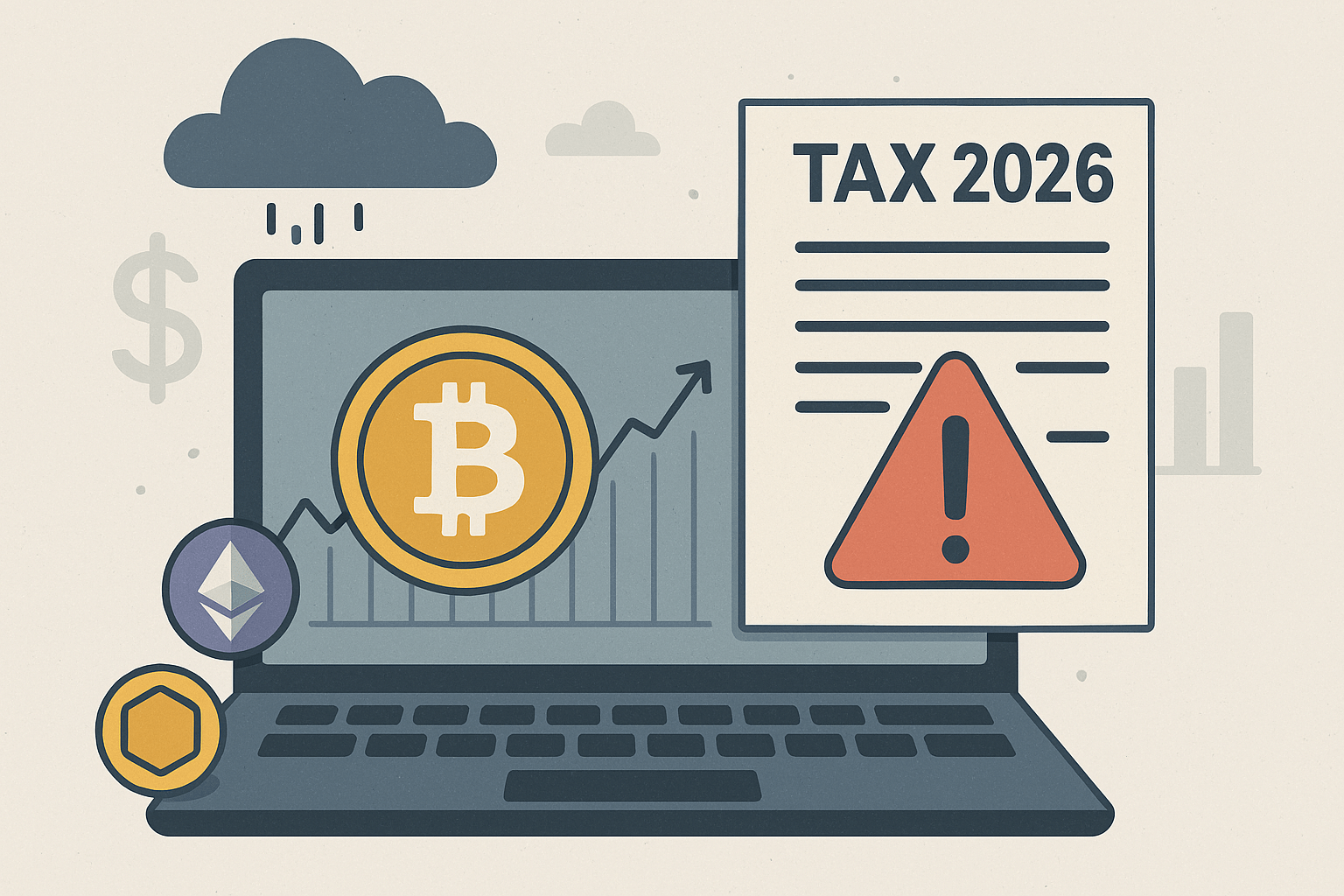
- When Dutch crypto fans mined Bitcoins on the PC 10 years ago and traded BTC on mini crypto exchanges, the tax authorities had no interest.
- Cryptocurrency was seen as a gimmick, a digital experiment with no significant fiscal significance.
Today, after a rapid increase in value, professionalization of the industry and great interest from private investors, things look different. More and more citizens are making considerable profits, and the question of how they should be treated for tax purposes is increasingly arising.
The Netherlands wants to catch up with the rest of the EU
Now the Dutch tax authorities want to tax profits from trading Bitcoin and other cryptocurrencies. The Ministry of Finance justifies the step with tax fairness and the avoidance of market distortions.
The plan is to tax realized profits in a similar way to capital gains. The exact structure – such as the level of the tax rate, allowances and the question of how wallet transactions should be tracked – have not yet been clarified. Criticism comes from the crypto industry and from the ranks of the political opposition.
Well-known controversy
Both warn of an obstacle to innovation and fear that start-ups could migrate to countries with more liberal rules. Proponents, on the other hand, see the measure as a necessary step to curb speculation and broaden the tax base.

For investors like Jeroen van der Meer, a 32-year-old software developer from Utrecht, the debate is more than an abstract fiscal policy question. Jeroen invested in Bitcoin early on – back when his friends still laughed at him.
Today he has made enough profit to consider a part-time job. He says:
“I don’t mind paying taxes, but I would like to understand how it works. Crypto is not like a savings account. Prices fluctuate constantly and many transactions take place on decentralized platforms.”
Volatility creates measurement problems
Many people share his concern: Will the new tax be transparent and practical – or will it create a bureaucratic monster that will overwhelm private investors?
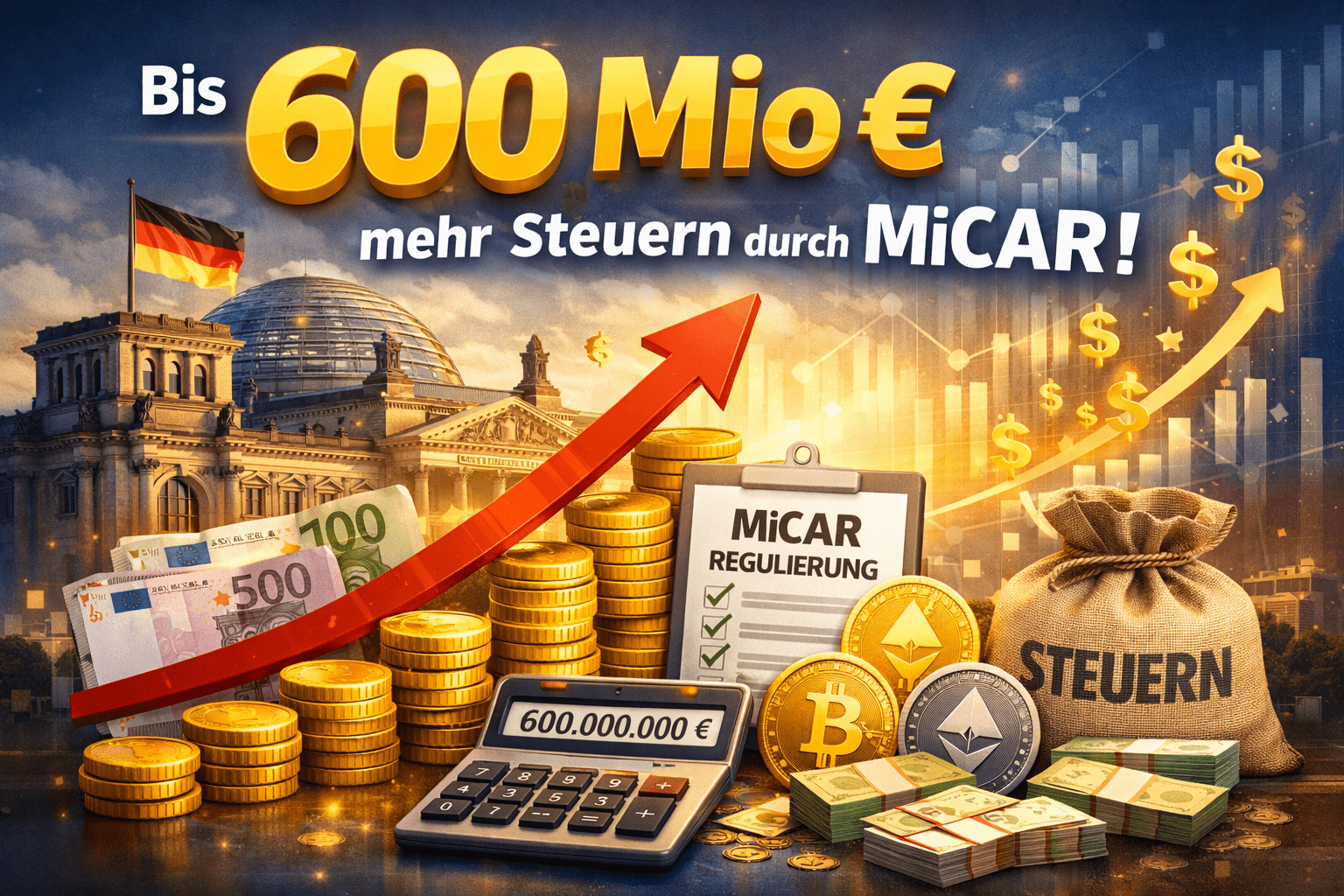
At the same time, there is a growing feeling among the population that high crypto profits should not remain completely tax-free. A compromise must now be found between promoting innovation and fiscal fairness that neither scares away private investors nor loses citizens’ trust in fair taxation.





No Comments