

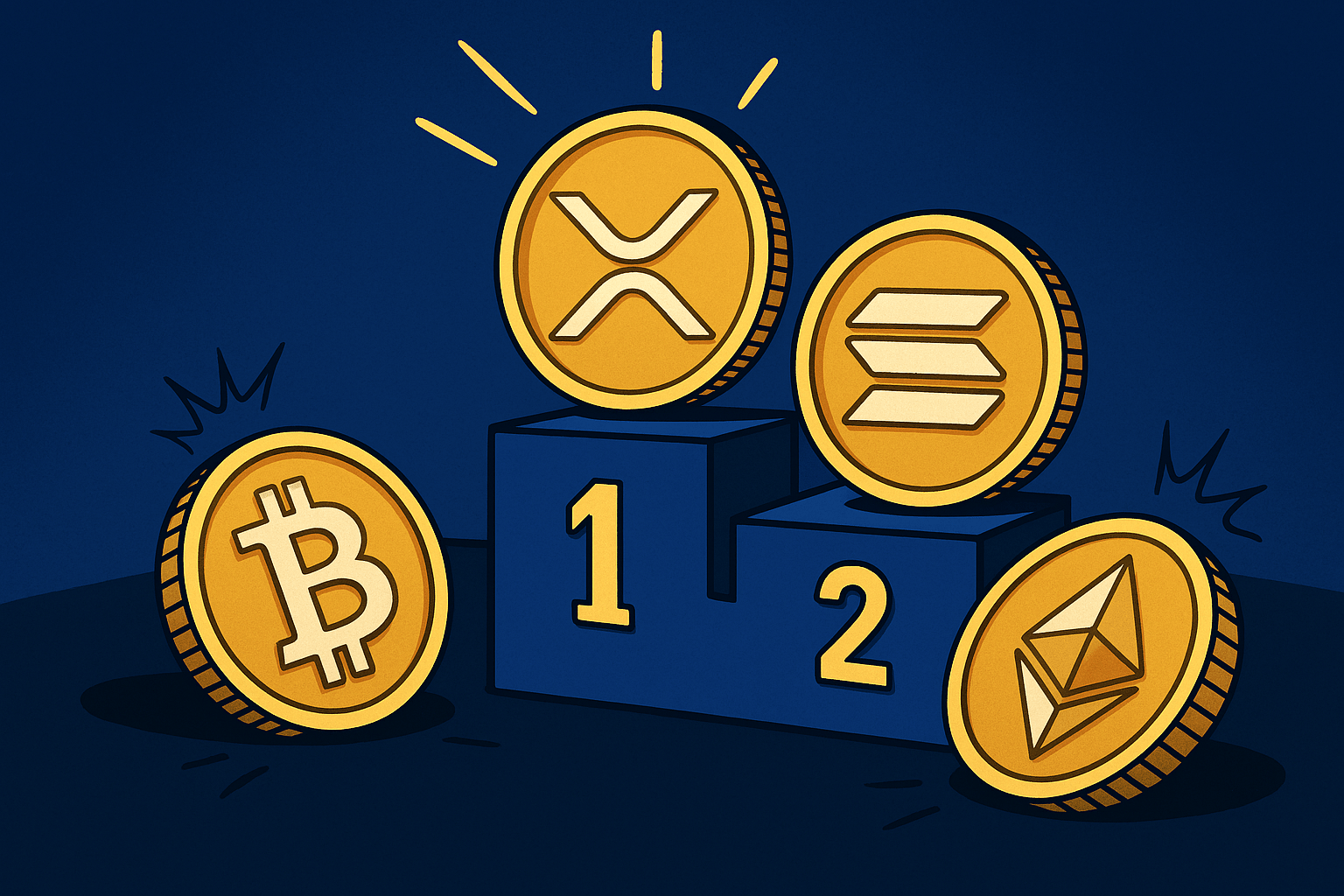
- Bitcoin and Ethereum have been the favorites of almost every institutional investor for over a decade.
- But in 2025, capital flows and strategic allocations increasingly shifted to XRP and Solana.
This is not only an indicator of the technological quality of the two new champions, but it also reflects the new, clear regulation and real-world use cases that institutions are looking for.
The data speaks for itself: XRP and Solana had the largest growth in inflows, while Bitcoin suffered a loss of importance for the first time since 2018.
ETFs and RWA tokenization were the deciding factor
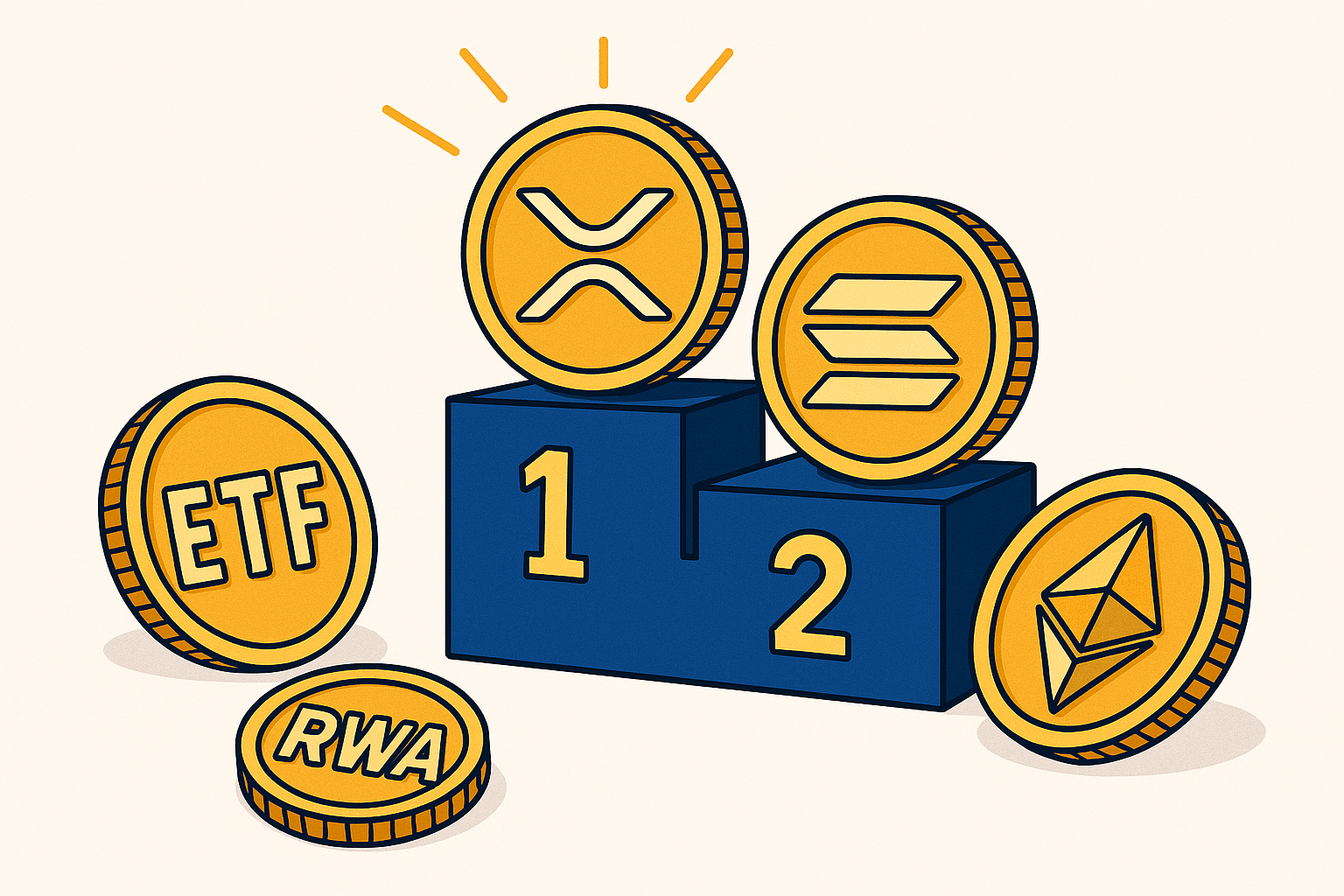
The rise of XRP was largely aided by the approval of several spot ETFs in the US and Europe. All of them have not had a single day of net outflows since their launch – a first in crypto ETF history.
At the same time, the CLARITY Act provided new regulatory certainty, positioning Ripple-based payment infrastructures as Ripple has arrived in the EU banking system.

Solana, on the other hand, impressed with its role as a leading platform for the tokenization of real assets. Over $873 million in real world assets, including tokenized shares of Tesla, Nvidia and even treasuries, were issued on Solana in 2025.
Institutional heavyweights such as BlackRock, Franklin Templeton and Ondo Finance relied on the network’s scalability and low transaction costs. Western Union also announced a Solana-based stablecoin platform for over 150 million customers – a move that underscores the network’s relevance in global payments.
Bitcoin and Ethereum remain relevant
Despite their market capitalization and historical dominance, Bitcoin and Ethereum suffered a decline in importance in 2025.
Although Bitcoin remains the asset with the highest turnover, institutional investors are increasingly seeing innovation potential elsewhere. Although Ethereum was reclassified as a “core asset”, XRP and Solana overtook it in terms of growth dynamics and real economic integration.
The new institutional crypto elite is no longer just defined by large market shares, but increasingly by regulatory compliance, technical scalability and strategic integration into global financial infrastructures.
XRP and Solana meet these criteria – and have therefore established themselves as new favorites.


No Comments