
Bitcoin and Ethereum are becoming a top priority: the new power of institutions in the crypto market

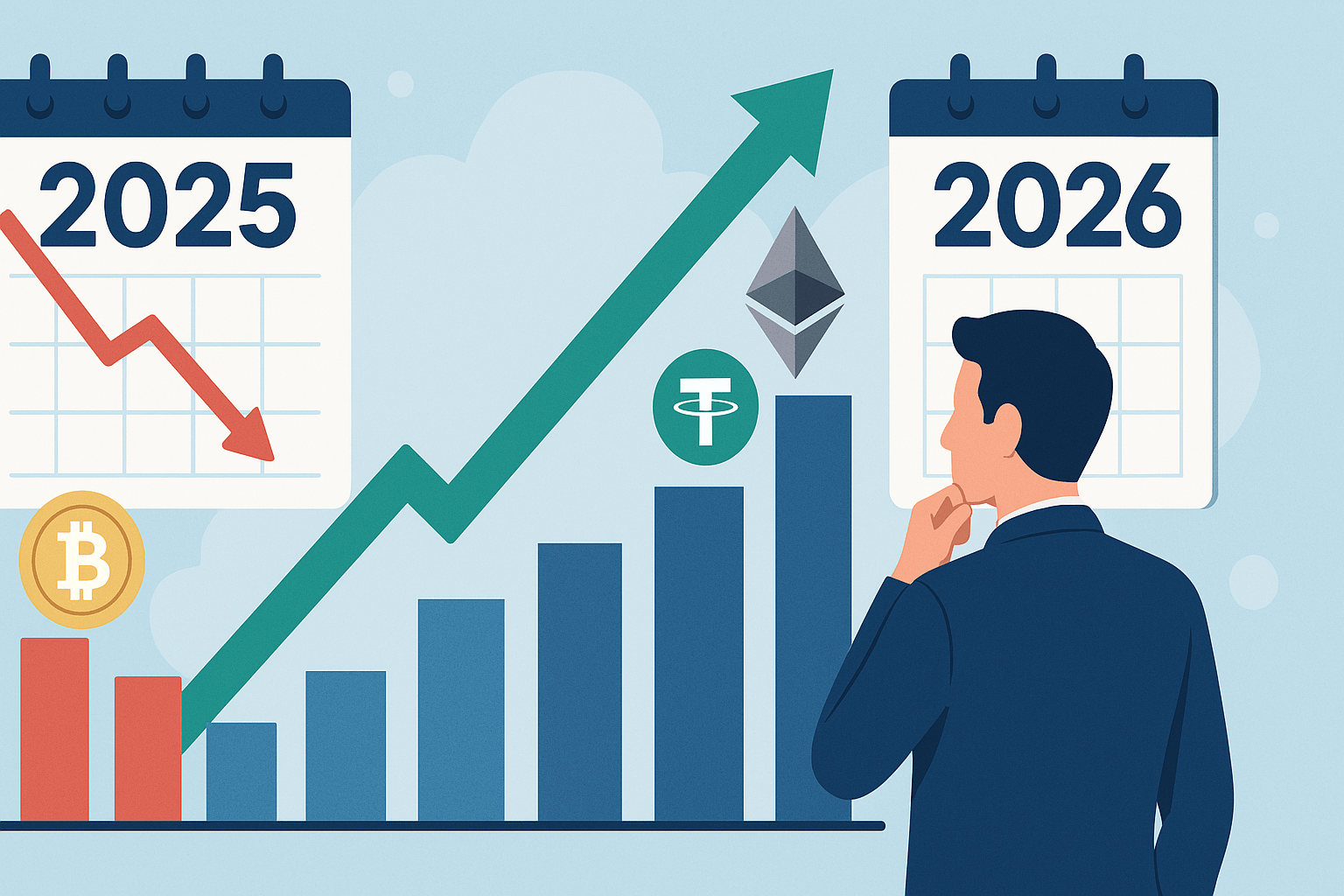
- 2025 was a turning point for the crypto industry – especially because of the structural reorganization that is not only taking place in Europe.
- The global crypto market has changed permanently. Bitcoin and Ethereum finally became a top priority for the institutions.
With a market capitalization of over two trillion dollars, Bitcoin finally became a global economic factor, and Ethereum ensured that RWA tokenization was able to establish itself in almost all industries worldwide.
However, the price development was less important than the type of capital that flowed into the market: pension funds, insurers, sovereign wealth funds and global asset managers appeared as buyers on a large scale for the first time.
This helped to professionalize market structures through regulated ETFs, stricter custody standards and, last but not least, by distinguishing between regulated and unregulated market segments.
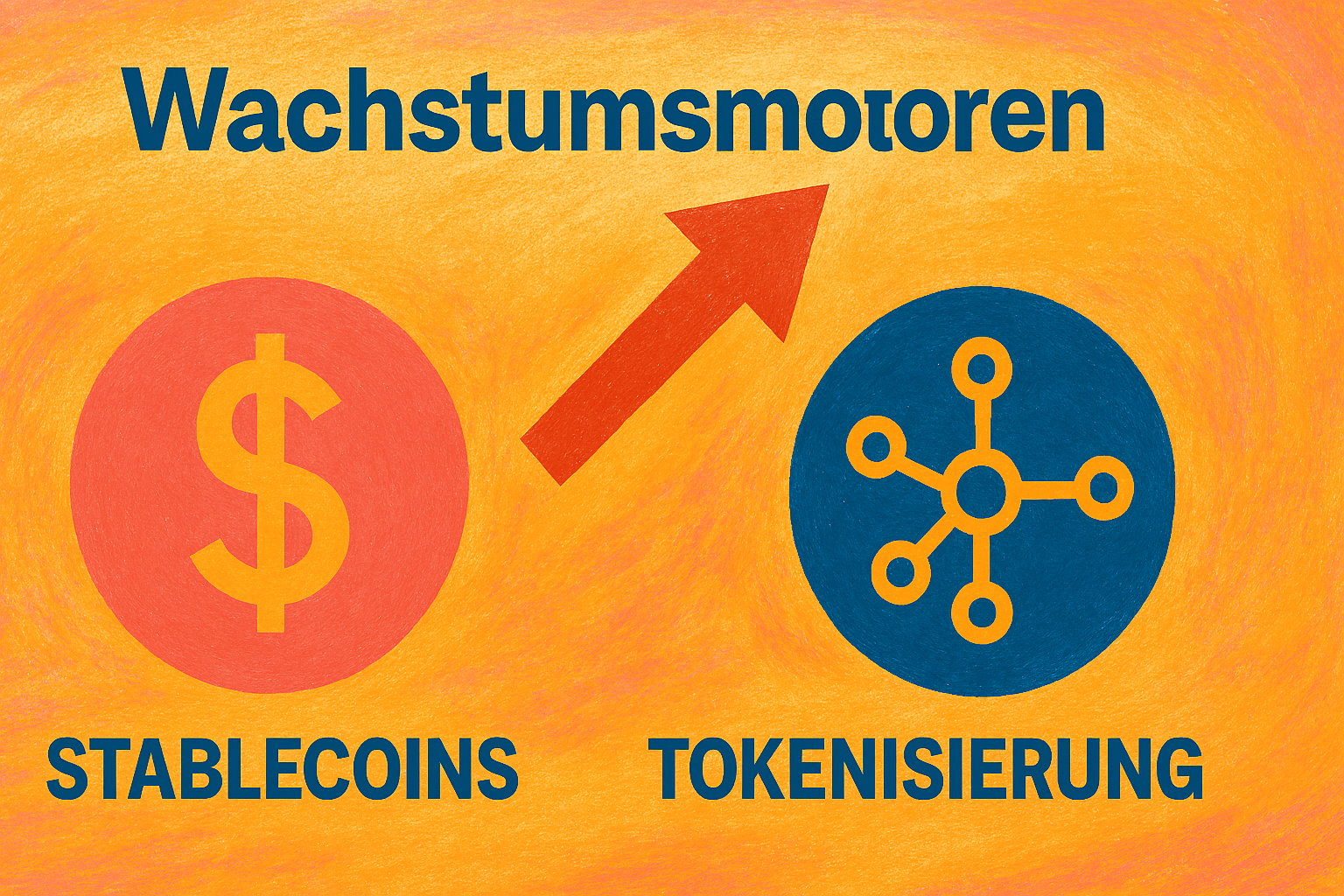
Stablecoins and tokenization as growth engines
2025 was also the year in which stablecoins left their role as pure trading currencies behind. With new regulatory frameworks in the US and EU, they have become practical tools for payments, cash management and international transactions.

Net inflows reached record levels as banks and FinTechs began developing their own stablecoins. At the same time, RWA tokenization accelerated. Institutional investors discovered tokenized money market funds, loans and infrastructure projects as efficient, programmable forms of investment.
Demand for onchain financial products grew so much that several major asset managers are now offering their own tokenization services. This shifted the focus from speculation-heavy adventures to real cash flows, serious collateral and regulatory compliance.
What investors can expect in 2026
Clear trends for 2026 can be derived from the movements of 2025:
First, institutional dominance will continue to increase. This means less extreme volatility, but also less room for irrational exaggerations. Bitcoin and Ethereum are increasingly being treated like strategic allocations, not short-term trades.
Second, the number of ETFs will continue to grow. Investors who want to invest in it have to be more concerned with product structures, replication methods and regulatory differences, as these factors sometimes have a greater impact on performance than the choice of coin itself.
Third, stablecoins and tokenized assets are becoming key growth engines.
Projects that provide infrastructure for onchain payments, compliance and institutional tokenization will be among the winners. At the same time, the importance of regulation is increasing: the consequences for anyone who believes they do not have to comply with it are becoming harsher.
2026 will be a year in which regulated assets and “gray area crypto” finally diverge. For investors, this means that due diligence, issuer quality and legal certainty are becoming more important than ever before.

No Comments