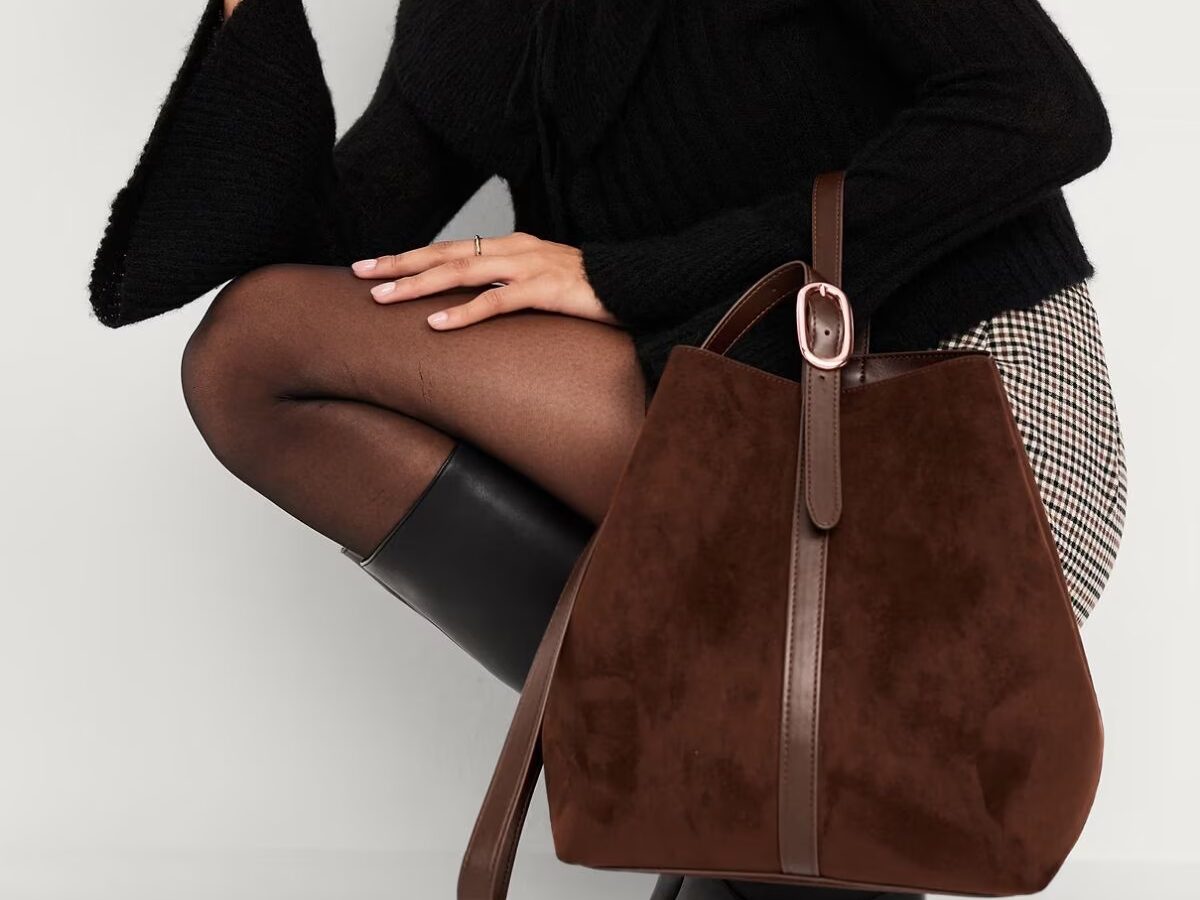
Key Highlights
- Suede returns as a dominant fabric trend for the fall season, continuing its annual resurgence in autumn collections.
- The material is acknowledged as a premium, higher-cost textile compared to many alternatives.
- Market offerings exist at various price points, making the trend accessible beyond luxury price tiers.
Suede Reclaims Its Status as Fall’s Defining Texture
As the calendar turns toward autumn, suede has once again asserted itself as the definitive fabric of the season. This cyclical return aligns with long-standing fashion patterns where the napped leather texture becomes a staple across ready-to-wear collections, accessories, and footwear as temperatures drop. Designers and retailers consistently reintroduce the material in seasonal palettes—typically rich neutrals, deep burgundies, forest greens, and classic chocolates—reinforcing its association with fall aesthetics.
The Economics of a Seasonal Staple
Suede’s positioning as a premium material is well established. The production process, which involves sanding the inner layer of animal hides to create a soft, velvety nap, incurs higher costs than standard leather finishing or synthetic alternatives. This expense is reflected in retail pricing, particularly for authentic suede garments such as jackets, trenches, and tailored separates. However, the current market landscape demonstrates that the trend is not confined to the luxury segment.
Accessibility Across Market Tiers
Contemporary retail strategies have expanded suede’s reach through multiple avenues. Diffusion lines, high-street brands, and direct-to-consumer labels increasingly offer suede pieces at moderate price points. Additionally, advances in textile technology have produced high-quality faux suede and microsuede alternatives that replicate the tactile appeal and visual depth of genuine material at a fraction of the cost. Vintage and resale platforms also provide a robust secondary market for authentic suede items, often at reduced prices compared to new luxury stock.
Why This Matters
The perennial return of suede underscores the fashion industry’s reliance on tactile, seasonal storytelling to drive consumer interest. For retailers, the fabric serves as a reliable revenue driver during the critical fall selling window, bridging the gap between lightweight summer merchandise and heavy winter outerwear. For consumers, the trend’s durability across decades makes suede a relatively safe investment piece—items purchased this season are likely to remain stylistically relevant for future autumns. The broadening availability at varied price points also reflects a democratization of trend participation, allowing a wider demographic to engage with the seasonal narrative without requiring luxury budgets.
Frequently Asked Questions
- Is suede practical for everyday fall wear?
- Suede requires more care than smooth leather or synthetic fabrics; it is susceptible to water staining and can be difficult to clean. However, protective sprays and proper storage significantly extend wearability. Many consumers reserve suede for dry-weather days or opt for treated finishes and faux alternatives for higher-exposure items like shoes and bags.
- How does faux suede compare to genuine suede?
- Modern microsuede and synthetic napped fabrics closely mimic the hand and appearance of genuine suede. They typically offer superior water resistance, easier maintenance, and lower cost, though they may lack the same breathability and long-term patina development of natural hide.
- What are the most versatile suede pieces to invest in for fall?
- Neutral-colored suede ankle boots, a structured tote or crossbody bag, and a biker-style jacket or overshirt in tan, olive, or navy provide the highest cost-per-wear. These silhouettes transition across casual and elevated outfits and remain consistent season after season.