
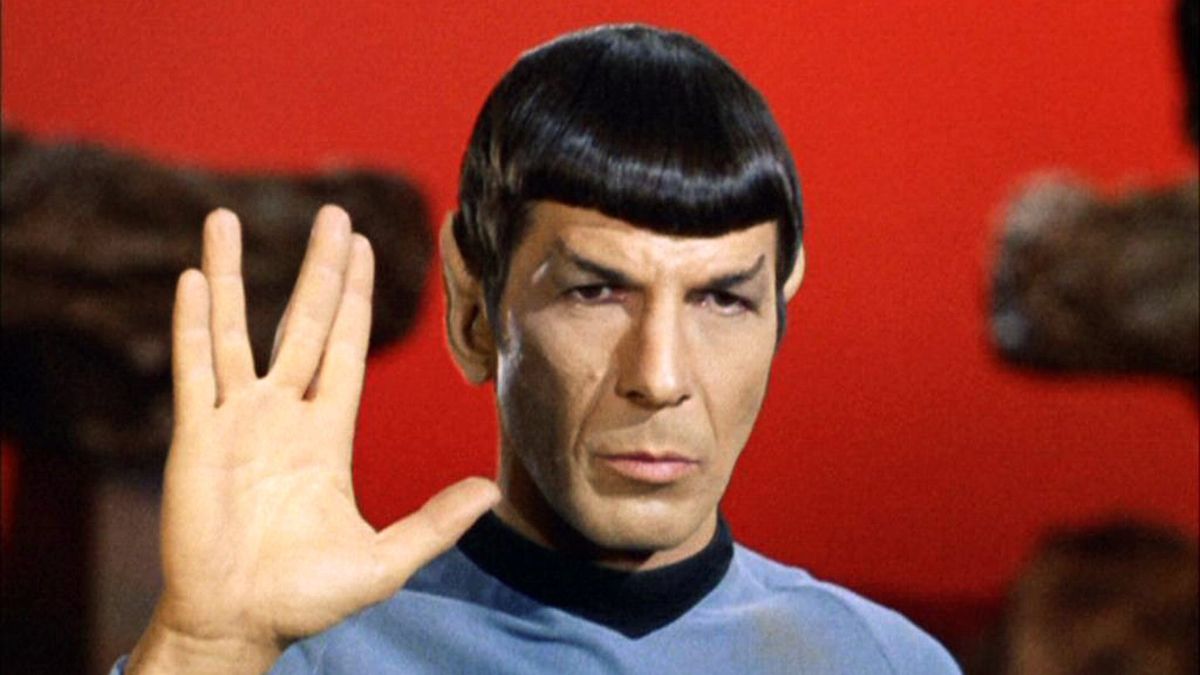
Star Trek legend William Shatner has revealed that network executives originally wanted to remove Spock’s signature pointed ears, a creative decision that could have fundamentally altered one of science fiction’s most recognizable characters.
The iconic series debuted 60 years ago this month, but Shatner recently reflected on the show’s early development during an interview with Interview Magazine. The 95-year-old actor, who portrayed Captain James T. Kirk in the original series, disclosed that NBC brass initially objected to the Vulcan’s distinctive appearance.
Network Pushback on Spock’s Design
According to Shatner, the network’s first reaction to the character was blunt. “The first thing they said with Spock is, ‘Get rid of the ears.’ And bless our management, they said, ‘No, we’re not getting rid of the ears,'” he shared.
The management team prevailed, and Spock — originally played by Leonard Nimoy and later by Zachary Quinto in the reboot films — retained the pointed ears that became a franchise hallmark.
Ears Essential to ‘Science-Fiction Magic’
Shatner emphasized that preserving the ears was crucial to establishing the show’s unique identity. “In that pilot, I was attracted to the magic, the imagination behind that pilot with the swollen heads and the pulsing. It was such wonderful makeup. It was intriguing from many points of view.”
The actor explained that these creative elements helped audiences suspend disbelief. “You can have weird people coming out of a rock and saying, ‘These are the people who live on this planet,’ and accept it because you don’t know who’s living on that planet in the sky,” he said. “That science-fiction magic was a big propellant in the popularity of Star Trek.”
Franchise Endurance and Optimistic Vision
More than half a century later, Star Trek has grown into one of the highest-grossing media franchises in history. From the original series, the property has expanded to include multiple spin-off shows, films, video games, comics, novels, merchandise, and conventions where “Trekkies” celebrate the USS Enterprise universe.
The franchise continues to attract new generations through ongoing reinvention. Speaking to The Hollywood Reporter about Star Trek’s longevity, Star Trek: Strange New Worlds creator Akiva Goldsman offered insight into its enduring appeal.
“I think Star Trek reflects the world as we wish it was. The promise of a bright future. And with the real-world future looking scarier every day, it takes a lot of will to hold onto optimism. Articulating a sci-fi vision of a world where we actually do solve problems — that’s as important today as it was in 1966.”
As the franchise marks its 60th anniversary, Shatner’s revelation underscores how a single creative stand by production management preserved a visual icon that helped launch a cultural phenomenon.