Key Highlights
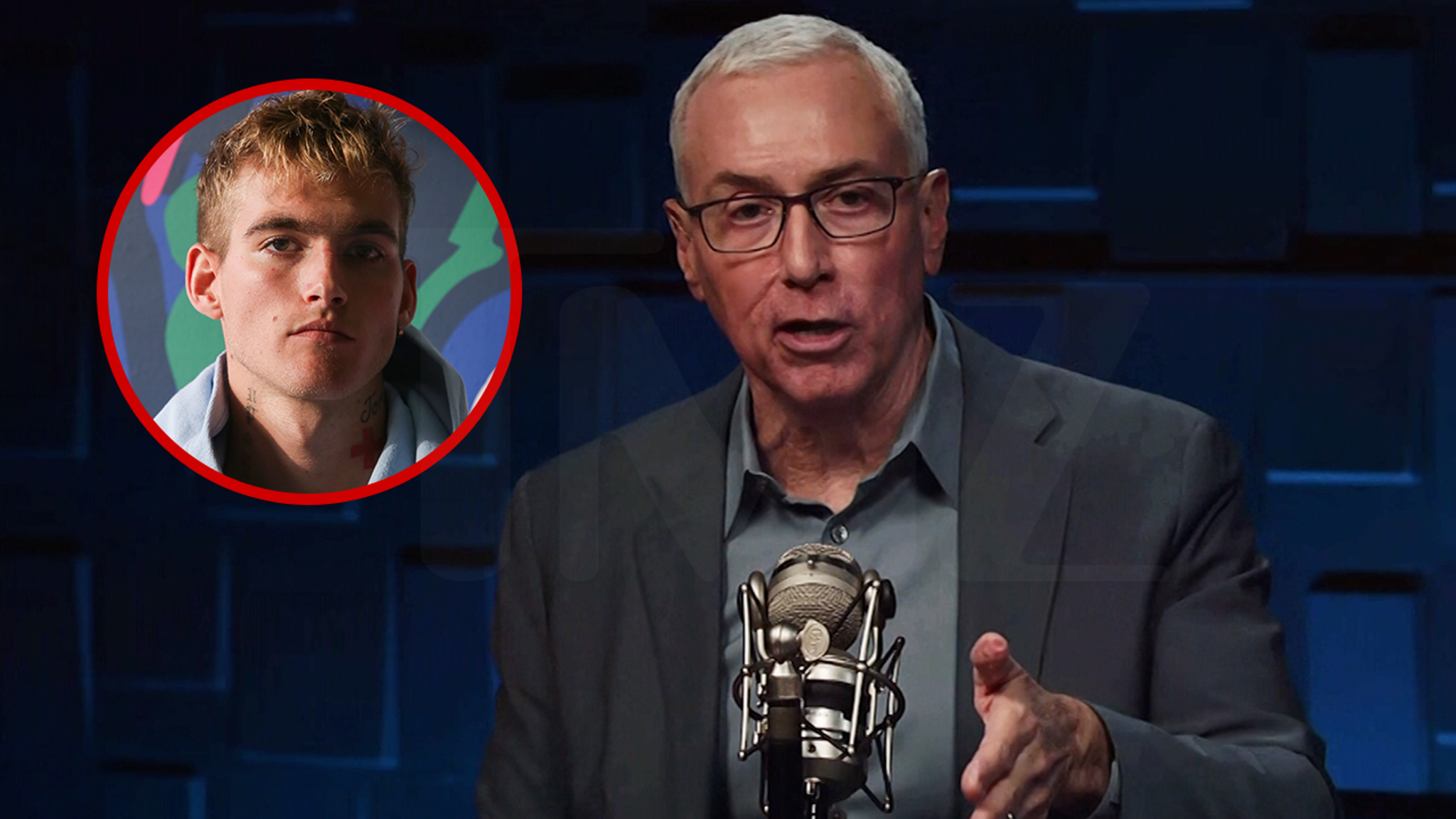
- Dr. Drew Pinsky asserted on “The TMZ Podcast” that Presley Gerber should have been admitted to a psychiatric hospital rather than a rehab facility.
- The addiction medicine specialist questioned the appropriateness of the model’s previous treatment setting.
- Presley Gerber, 24, is the son of supermodel Cindy Crawford and businessman Rande Gerber.
Dr. Drew Pinsky Criticizes Presley Gerber’s Treatment Path on TMZ Podcast
Addiction medicine specialist Dr. Drew Pinsky appeared on “The TMZ Podcast” this week, where he offered a pointed clinical assessment of Presley Gerber’s recent treatment history. The physician, known for his work in addiction medicine and media commentary, stated unequivocally that the 24-year-old model should not have been placed in a rehabilitation facility at all, arguing instead that a psychiatric hospital would have been the clinically appropriate setting.
Clinical Distinction Between Rehab and Psychiatric Care
During the podcast appearance, Dr. Drew drew a sharp distinction between substance-use rehabilitation programs and acute psychiatric hospitalization. His remarks suggest he believes Gerber’s presentation warranted the higher level of psychiatric evaluation, stabilization, and monitoring that a hospital provides, rather than the addiction-focused curriculum typical of residential rehab centers. The distinction carries significant implications for treatment outcomes, insurance coverage, and the regulatory frameworks governing each type of facility.
Presley Gerber’s Public Profile and Family Background
Presley Gerber, the eldest child of supermodel Cindy Crawford and entrepreneur Rande Gerber, has worked as a professional model for major fashion houses and campaigns. His family’s high public profile has placed his personal health matters under media scrutiny in the past. Dr. Drew’s comments on a widely distributed platform like TMZ amplify the conversation around celebrity health privacy and the public’s consumption of speculative medical opinions.
Why This Matters
The exchange highlights ongoing tensions in how mental health and substance-use disorders are categorized, treated, and discussed in the public sphere. When a high-profile clinician opines on a specific individual’s care without a formal treatment relationship, it raises ethical questions about diagnostic speculation and patient confidentiality norms. For readers, the episode underscores the importance of understanding the clinical differences between detoxification, residential rehabilitation, and acute psychiatric inpatient care—distinctions that directly affect access, cost, and therapeutic appropriateness. As public awareness of mental health grows, so does the need for accurate information about levels of care.

‘The Love Hypothesis’ Release Date: When It Comes Out, How to Watch Free, Cast Details
Frequently Asked Questions
- Who is Dr. Drew Pinsky?
- Dr. Drew Pinsky is a board-certified internist and addiction medicine specialist, widely known for his radio show “Loveline,” television programs such as “Celebrity Rehab,” and frequent media commentary on addiction and mental health.
- What is the difference between a rehab facility and a psychiatric hospital?
- Rehabilitation facilities typically focus on substance-use disorder treatment, counseling, and relapse prevention in a residential setting. Psychiatric hospitals provide acute medical stabilization, 24-hour nursing care, medication management, and treatment for severe mental illness, often involving involuntary commitment protocols.
- Has Presley Gerber or his family responded to Dr. Drew’s comments?
- As of the latest available information from the source, neither Presley Gerber, Cindy Crawford, nor Rande Gerber have issued a public response to Dr. Drew Pinsky’s remarks on “The TMZ Podcast.”