Key Highlights
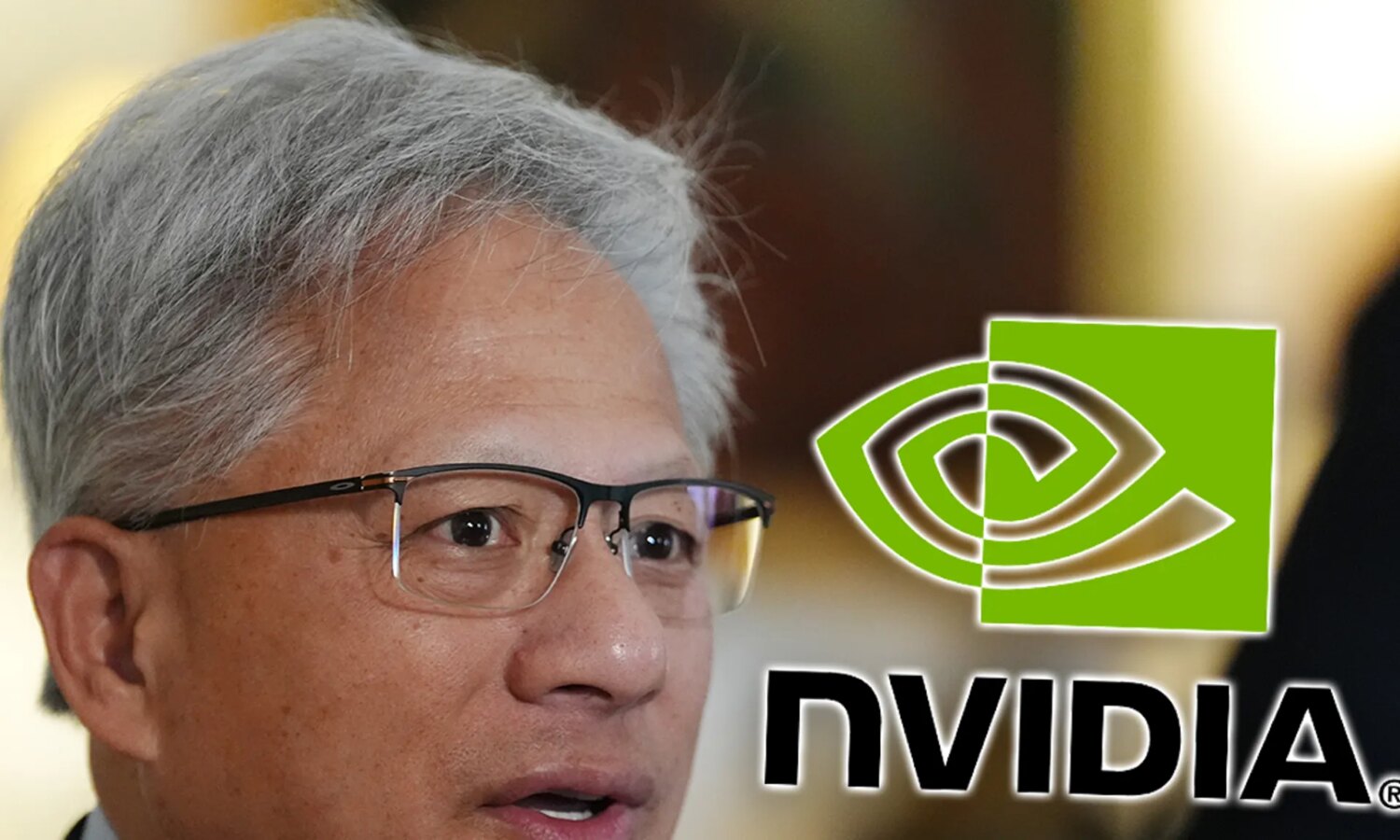
- Nvidia CEO Jensen Huang states there is “absolutely no chance” AI will cause a technology-induced apocalypse within the next four years.
- Huang made the remarks during an interview with CBS Sunday Morning, pushing back against speculative existential risk narratives.
- The executive characterized warnings about AI-driven doomsday scenarios as “scaring people” about unproven dangers.
Huang Dismisses Near-Term AI Apocalypse Scenarios
Nvidia co-founder and chief executive officer Jensen Huang has issued a definitive rebuttal to narratives forecasting an imminent artificial intelligence catastrophe, declaring there is “absolutely no chance” that AI will trigger a technology-induced apocalypse within the next four years. The comments, delivered during a televised interview with CBS Sunday Morning, represent one of the most direct and time-bound dismissals of existential AI risk to date from a leading figure in the semiconductor and accelerated computing industry.
Executive Critiques ‘Scaring People’ Over Speculative Dangers
During the broadcast, Huang addressed the discourse surrounding artificial general intelligence and potential loss of human control. He told the program that “scaring people” about the speculative dangers of… remains a counterproductive framing that distracts from the tangible, near-term benefits and governance challenges of the technology. The chief executive’s choice of language underscores a broader strategy by Nvidia leadership to position AI development as an engineering and safety discipline rather than an uncontrollable existential threat.
Contextualizing the Four-Year Horizon
The specific four-year timeframe offered by Huang is notable for its precision. While many AI safety researchers and ethicists debate risks on decadal or indefinite horizons, Huang’s constraint aligns with product roadmap visibility typical in the semiconductor sector. Nvidia’s current architecture cycles, including the Blackwell and Rubin platforms, extend roughly through this period, suggesting the assessment may be grounded in the company’s concrete view of hardware capabilities and deployment trajectories rather than abstract philosophy.
Why This Matters
Jensen Huang’s intervention carries significant weight because Nvidia hardware underpins the vast majority of large-scale AI training and inference worldwide. As the primary architect of the computational infrastructure driving the current generative AI wave, his public risk assessment influences investor sentiment, regulatory postures, and enterprise adoption strategies. By explicitly rejecting the “apocalypse” framing in the near term, Huang attempts to steer the policy conversation toward practical safety standards, transparency, and workforce adaptation—areas where industry and government can collaborate—rather than speculative moratoriums or licensing regimes that could consolidate market power. The remarks also signal confidence that current alignment techniques and human-in-the-loop architectures are sufficient to manage model behavior through the next generation of accelerators.
Frequently Asked Questions
What exactly did Jensen Huang say about AI ending the world?
Huang stated there is “absolutely no chance” AI will cause a technology-induced apocalypse in the next four years, and he criticized narratives that focus on “scaring people” about speculative dangers.
Where did Jensen Huang make these comments?
The remarks were made during an interview with CBS Sunday Morning.
Why is Huang’s four-year timeframe significant?
The four-year horizon aligns with Nvidia’s visible product roadmap (Blackwell, Rubin architectures), suggesting the assessment is based on concrete engineering visibility rather than abstract speculation.