Key Highlights
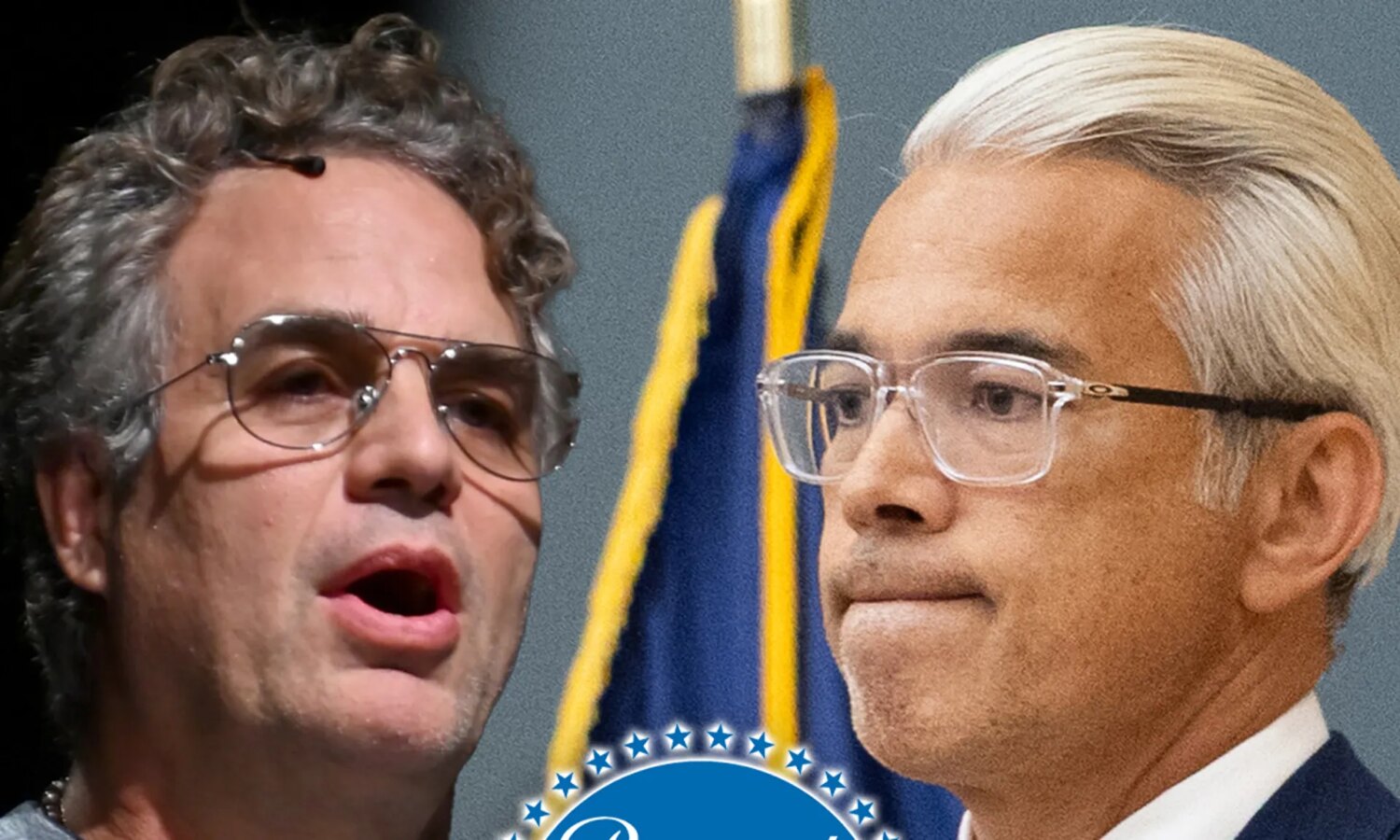
- Mark Ruffalo publicly urged California Attorney General Rob Bonta not to settle the state’s antitrust lawsuit against Paramount Global.
- The appeal comes as Paramount Global pursues a merger with Warner Bros. Discovery, raising consolidation concerns.
- Ruffalo directly addressed Bonta on social media with the message: “Don’t you dare …”
Ruffalo Pressures California AG on Paramount Antitrust Case
Actor and activist Mark Ruffalo has intervened in a significant media antitrust matter, publicly calling on California Attorney General Rob Bonta to reject any settlement with Paramount Global. The intervention arrives at a pivotal moment for the entertainment industry, as Paramount navigates a proposed merger with Warner Bros. Discovery that would reshape the Hollywood studio landscape.
Direct Appeal to the State’s Top Legal Officer
Ruffalo tagged Attorney General Bonta directly on social media, delivering a pointed message regarding the state’s ongoing antitrust litigation. The actor posted: “Don’t you dare …” The ellipsis in the original statement indicates the quote was truncated in the source feed, but the imperative tone underscores the urgency Ruffalo assigns to the case. By addressing the Attorney General by name and office, Ruffalo leverages his public platform to influence a regulatory decision with far-reaching implications for market competition.
Merger Context Elevates Stakes
The pressure campaign coincides with Paramount Global’s active pursuit of a combination with Warner Bros. Discovery. Such a merger would consolidate two major Hollywood studios, reducing the number of major content creators and distributors. Antitrust regulators at both state and federal levels typically scrutinize horizontal mergers of this magnitude for potential harm to competition, including reduced output, higher prices for distributors and consumers, and diminished bargaining power for creative talent.
Why This Matters
The California antitrust lawsuit represents a critical state-level check on media consolidation. While federal agencies like the DOJ and FTC lead most merger reviews, state attorneys general possess independent authority to challenge transactions under state antitrust statutes. California’s economy is larger than most nations, and its media market is the epicenter of global entertainment production. A settlement perceived as lenient could signal to other consolidating industries that state enforcement is negotiable. Conversely, a robust challenge could extract meaningful behavioral remedies—such as commitments to independent film distribution, fair licensing terms for streaming rivals, or protections for creative workers—that a federal-only review might overlook. The outcome will also test whether high-profile cultural figures can materially influence regulatory calculus in the digital age.
Frequently Asked Questions
- What is the current status of the California antitrust lawsuit against Paramount?
- The source indicates the case is active and potentially approaching a settlement phase, prompting Ruffalo’s public intervention. Specific filing dates or court docket details were not provided in the source material.
- How would a Paramount–Warner Bros. Discovery merger affect the entertainment industry?
- Combining two major studios would reduce the number of major content suppliers, potentially weakening competition for talent, distribution channels, and advertising revenue. Regulators typically examine whether such consolidation leads to higher prices, reduced output, or barriers to entry for independent producers.
- What authority does the California Attorney General have in this matter?
- Under California’s Cartwright Act and Unfair Competition Law, the Attorney General can investigate and litigate antitrust violations independently of federal enforcers. The AG can seek injunctive relief, monetary penalties, and structural or behavioral remedies to protect competition within the state.